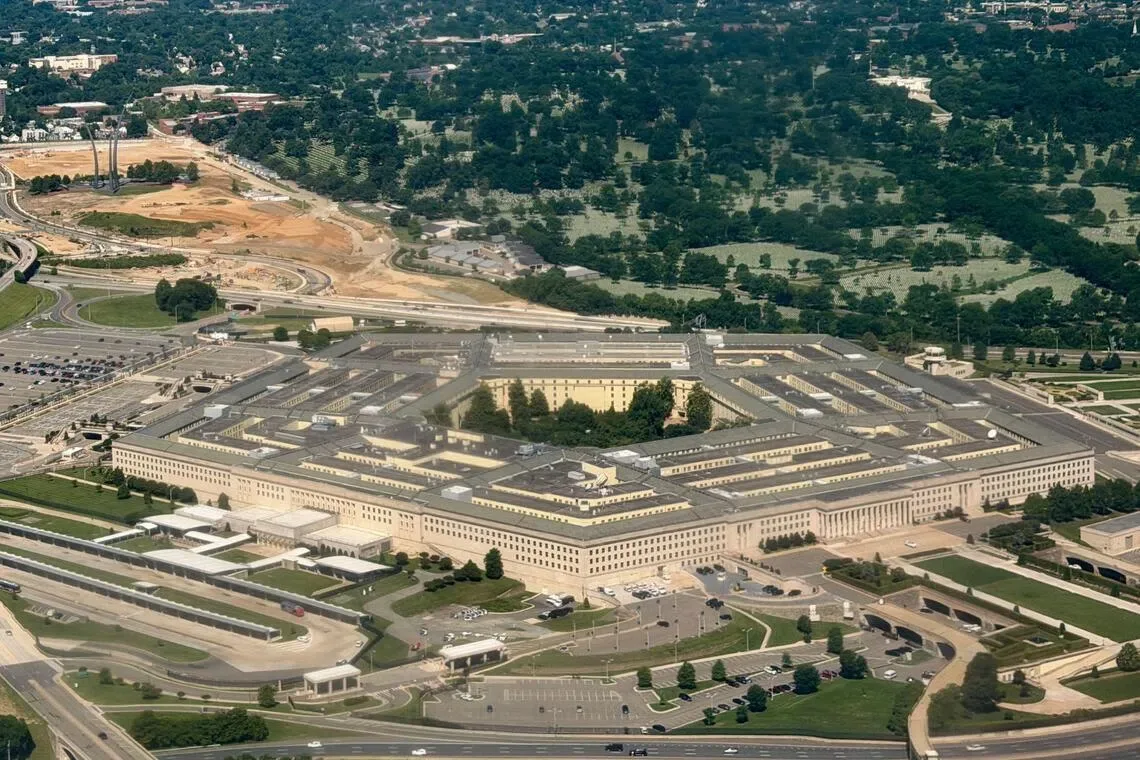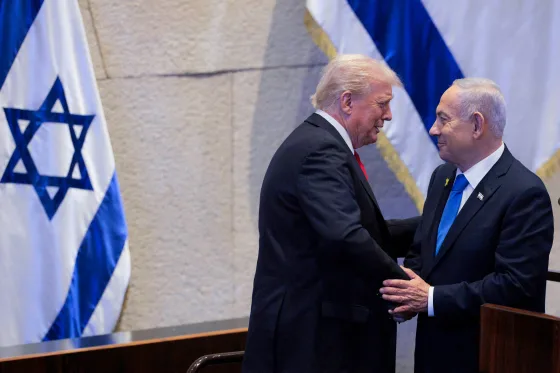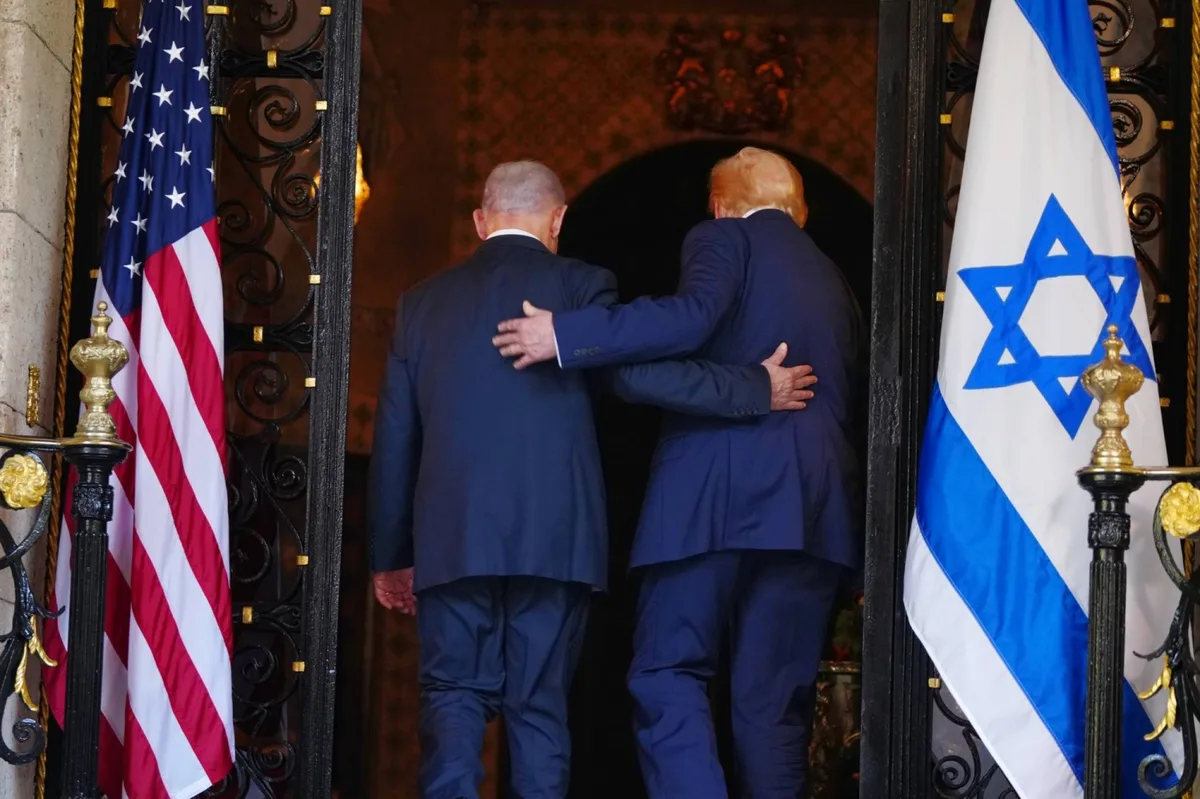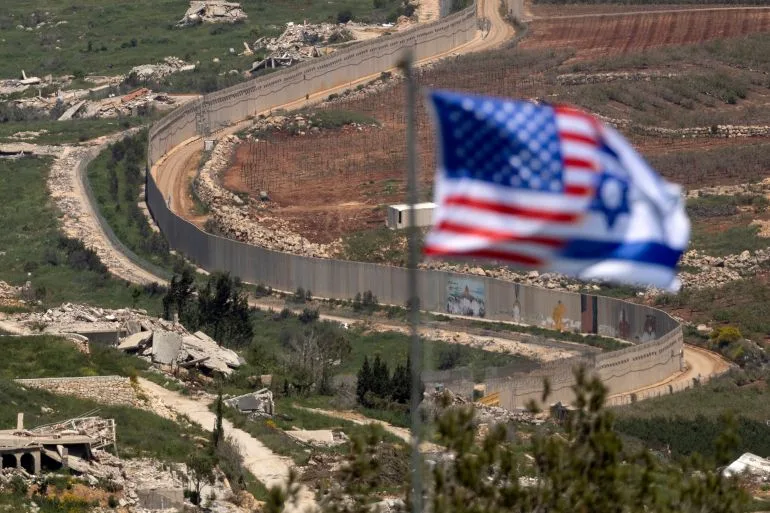
The Pentagon's Defense Intelligence Agency (DIA) raised Israel's counterintelligence threat level from "high" to "critical," its highest rating, due to concerns over increased Israeli spying on US officials involved in Iran peace talks [1, 2, 3, 4, 5, 6, 7, 8].
Israeli intelligence agencies have intensified efforts to surveil senior US figures including former Trump chief Iran negotiator Steve Witkoff, Pentagon policy chief Elbridge Colby, and deputy Michael DiMino [1, 2, 3, 4, 6, 8]. The espionage involves both human intelligence and technical collection, assessed by DIA as critical [2, 5, 7].
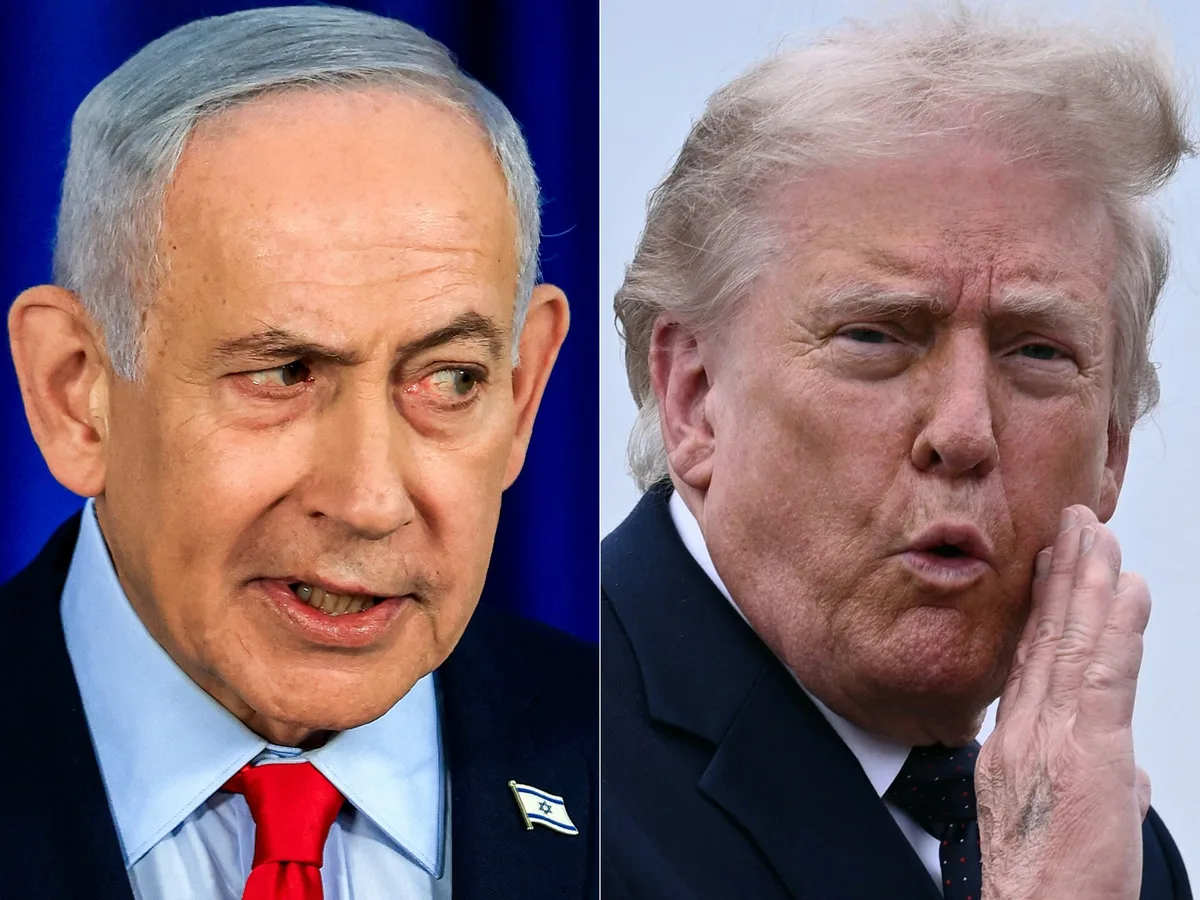
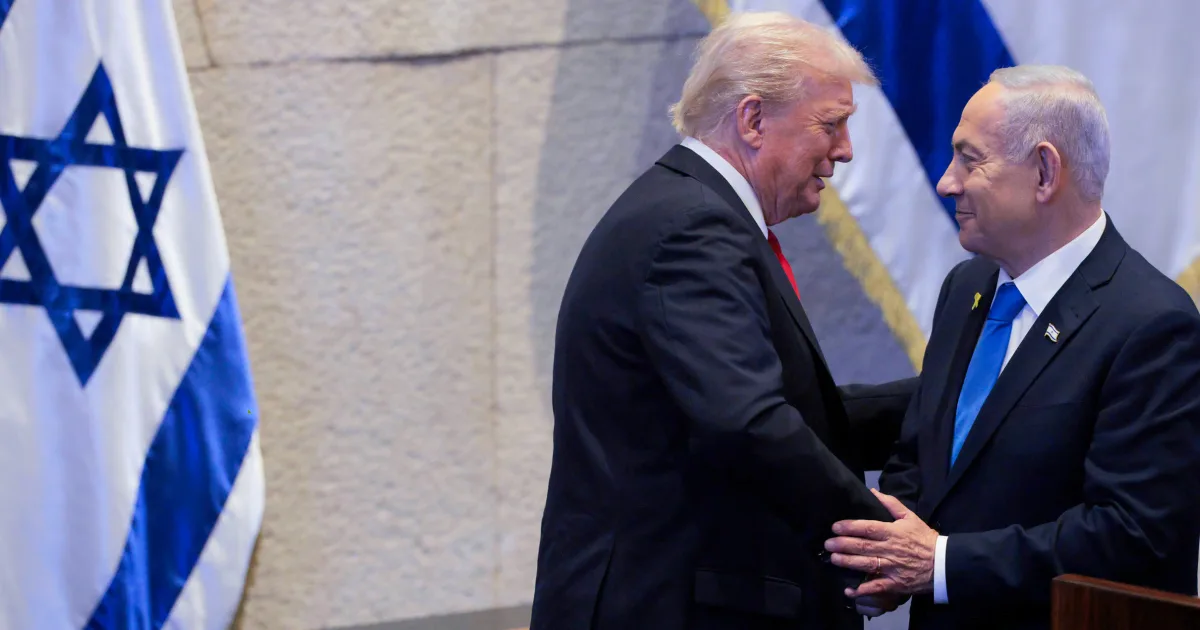
The concerns come amid heightened tensions between the US and Israel over how to approach the war with Iran, which began with joint US-Israeli airstrikes on February 28, 2026 [3, 5]. US President Donald Trump has pushed for a peace deal, while Israeli Prime Minister Netanyahu advocates a harder stance [1, 2, 3, 4, 5, 7, 8]. Trump has said, "I call all the shots," adding of Netanyahu, "he doesn’t call the shots" [9].
While mutual intelligence gathering between the US and Israel has historically been tolerated, some US officials say recent Israeli activity targeting internal US Iran deliberations has crossed accepted boundaries [1, 10, 6, 8]. Reported incidents fueling concerns include secret installation of surveillance software on US defense personnel phones in Israel and attempts to plant listening devices at US intelligence sites [6, 8].
The Pentagon is considering new restrictions on sharing sensitive information with Israeli military officers working alongside US Central Command amid rising distrust [1, 8]. Despite the espionage worries, military cooperation remains extensive, with close coordination and large volumes of shared data continuing between US and Israeli forces [1, 6, 8].
Israel has received about $300 billion in US economic and military assistance since 1946, including $63 billion in weapons purchases and $500 million annual funding for missile defense programs as of 2025 [9].
The Pentagon and White House declined to comment directly or called the reports false, with a White House official saying, "This entire story is false and sourced to someone who doesn’t have any knowledge of what’s going on" [1, 2, 3, 4, 5, 7, 8]. The Israeli Embassy denied spying allegations, stating, "Israel does not gather intelligence on American entities, let alone US government officials" [2].
Experts note Israel’s keen interest in US policy, with Emily Harding of the Center for Strategic and International Studies saying, "They are exceedingly interested in what we are up to" [7].
Reports of the DIA's threat level upgrade surfaced publicly in early June 2026, leading to official denials from both nations [1, 2, 3, 4, 5, 7, 8]. The Pentagon’s next steps may include imposing tighter controls on information access by Israeli officers attached to US commands.