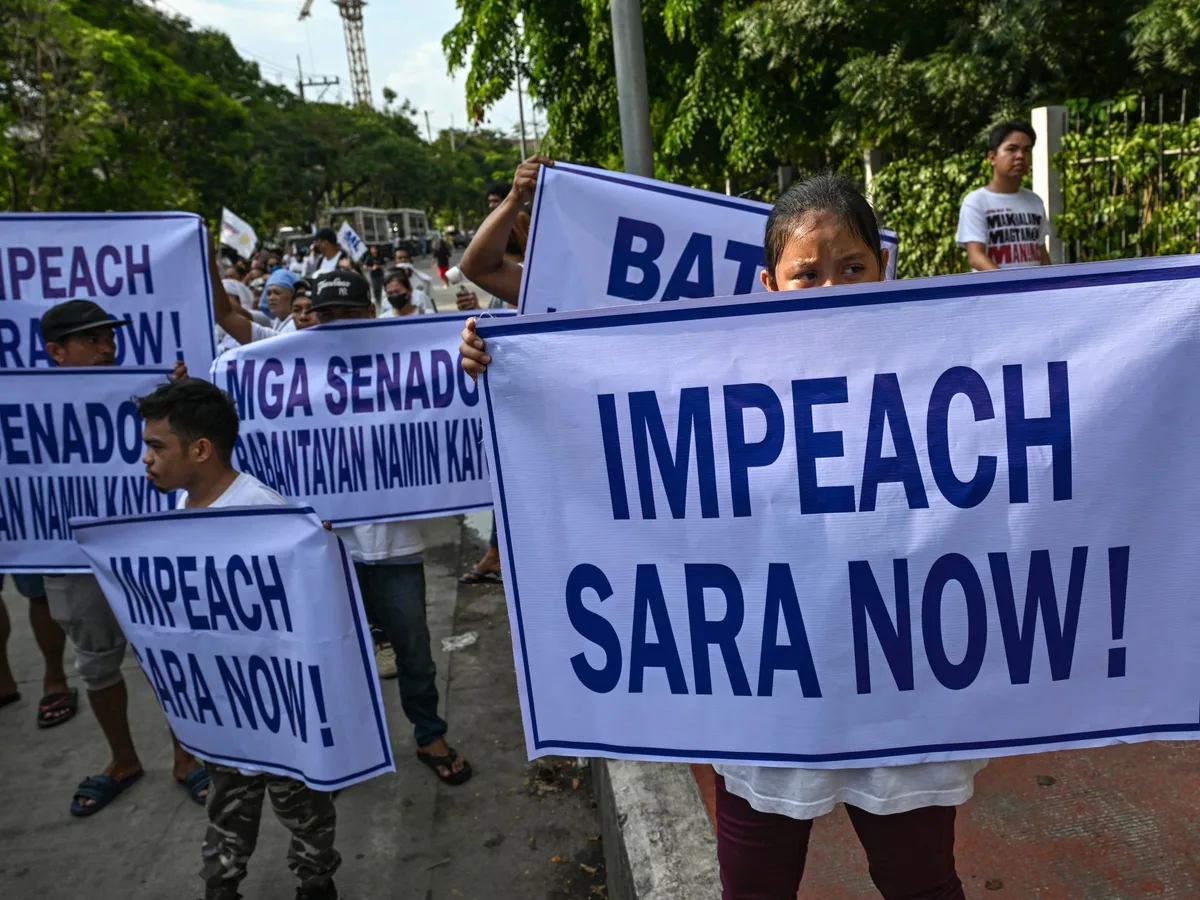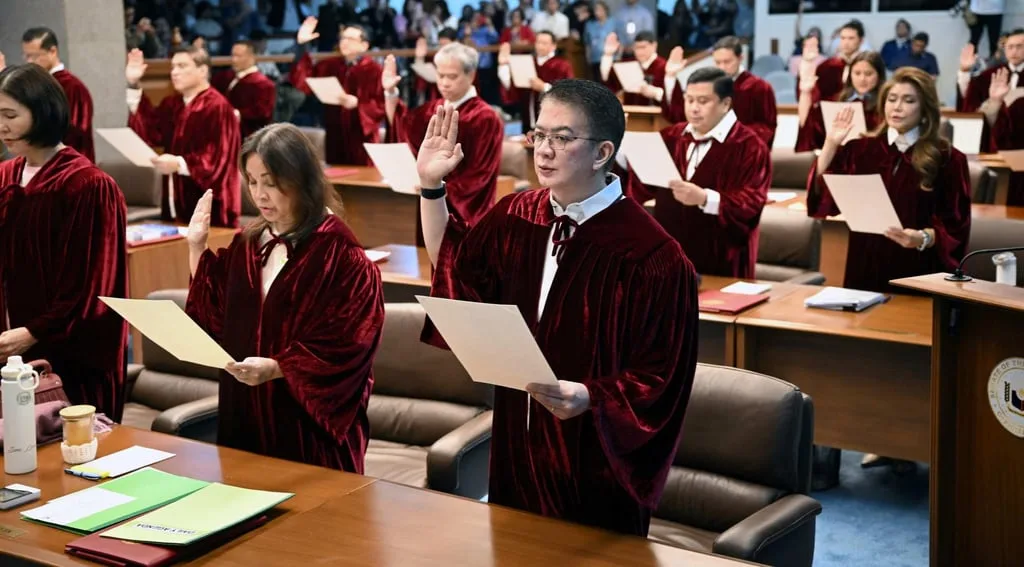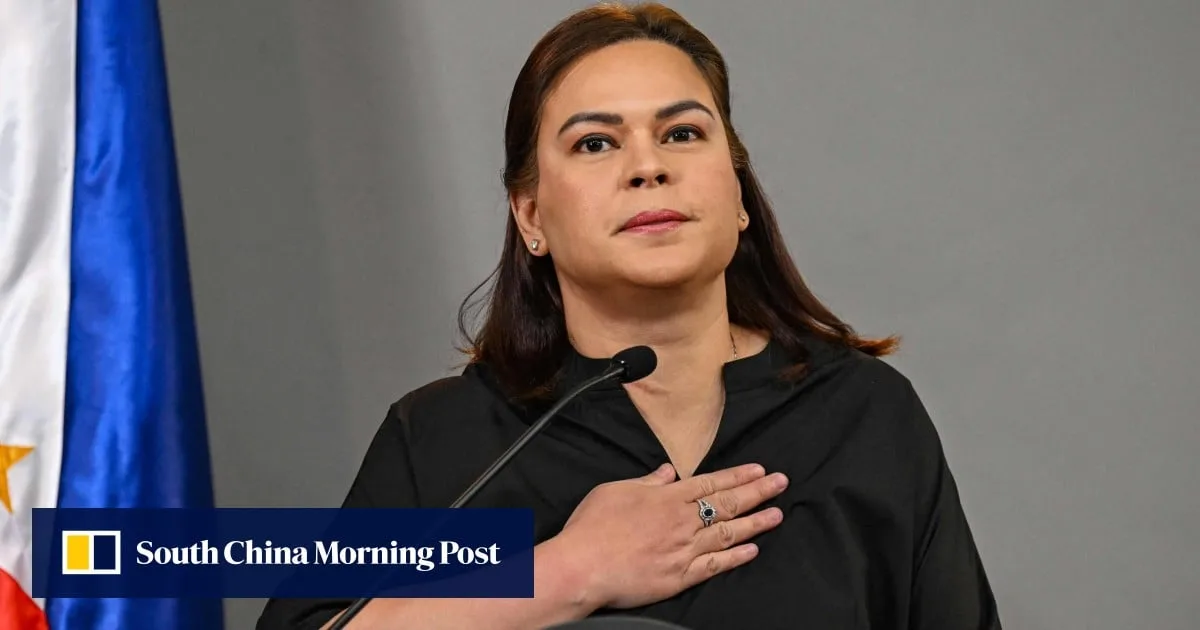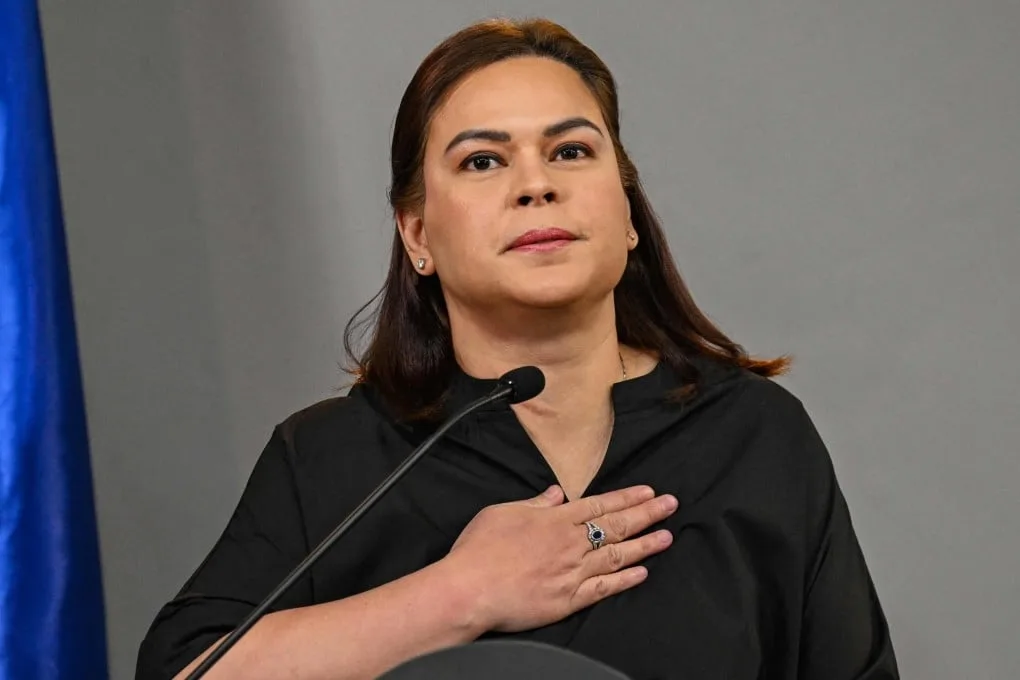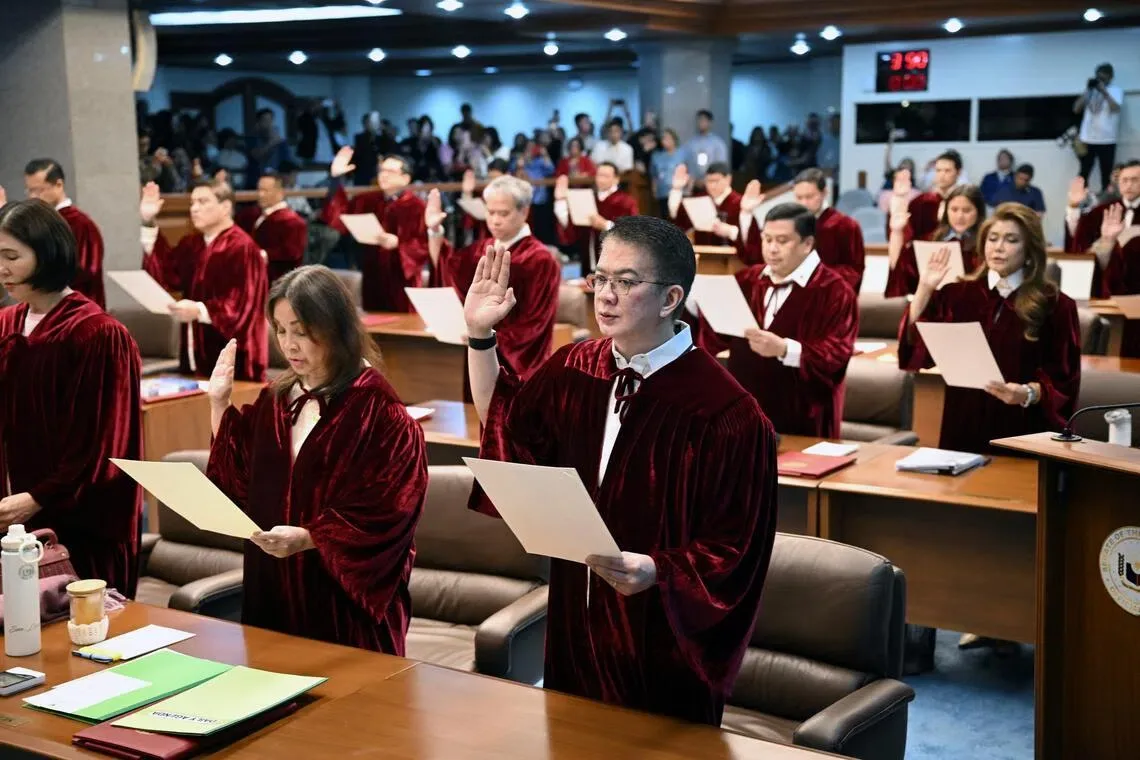
The Philippine Senate sat as an impeachment court on May 18 to open the trial of Vice-President Sara Duterte, 47, who faces accusations of misusing public funds, unexplained wealth, and threatening the lives of President Ferdinand Marcos Jr, the First Lady, and a former House speaker [1, 2, 3]. Senate President Alan Peter Cayetano, a Duterte ally, presided over the opening session. Cayetano declared, "The trial of Vice-President Sara Zimmerman Duterte is hereby open" [1, 3].
Duterte denies any wrongdoing and calls the impeachment politically motivated [1, 3]. The Senate gave her 10 days to respond to the accusations but did not schedule when the trial hearings would begin [1, 3]. The 24 senators act as jurors, and a two-thirds vote is needed to convict her [1]. If convicted, she could be barred from holding public office, potentially blocking her 2028 presidential run [1, 2, 3].
The impeachment follows a backdrop of political turmoil and a falling-out between the Marcos and Duterte families, who were once electoral allies in 2022 [1, 2, 3]. Sara Duterte’s father, former president Rodrigo Duterte, is currently in custody of the International Criminal Court awaiting trial for crimes related to his drug war policies [1, 3].
The Senate leadership has been unstable amid the impeachment. Senator Ronald "Bato" dela Rosa reappeared on May 11 after hiding due to an ICC arrest warrant and helped install Cayetano as Senate president but fled again after alleged arrest attempts and a reported shootout in the Senate [1, 3]. These leadership upheavals are expected to affect the impeachment trial’s pace and outcome [1, 2, 3].
Sara Duterte had announced her intention to run for president in 2028 earlier this year, making the impeachment high-stakes for her political future [1, 3]. The Senate trial jury will watch closely as events unfold. The next key date is the deadline for Duterte’s formal response due May 28.