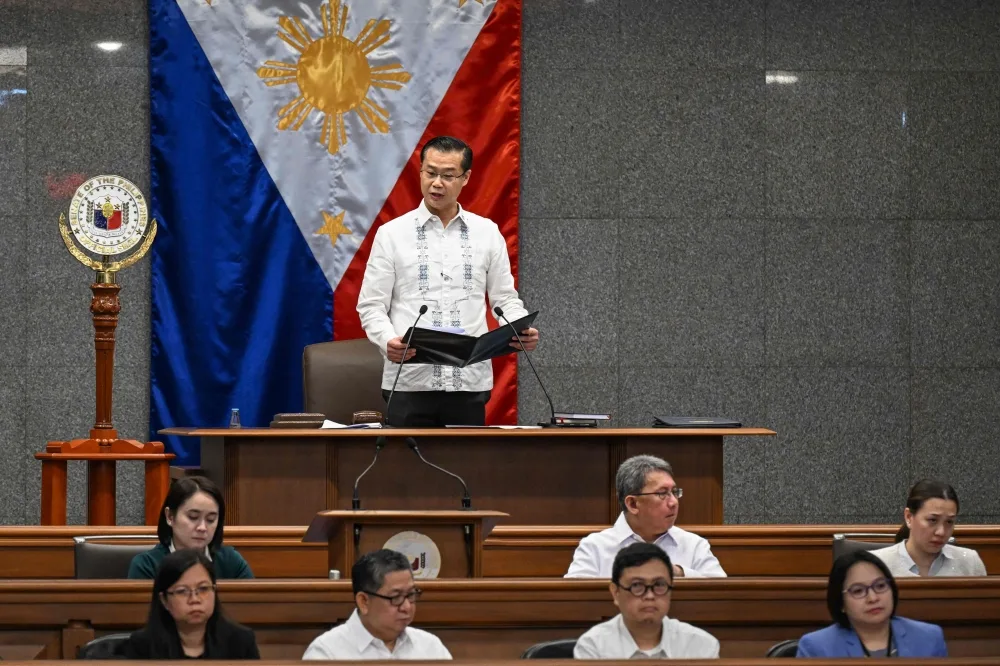
The Philippine Senate ended a deadlock on June 3, 2026, when pro-Vice President Sara Duterte senator Francis Escudero attended the session, restoring quorum. This allowed the chamber to elect Sherwin Gatchalian as acting Senate president, breaking an 11-11 stalemate caused by a boycott from Duterte allies following their loss of a majority in the 24-seat Senate [1, 2].
The boycott had begun after Duterte’s bloc lost majority control amid ongoing arrests and ICC charges targeting some senators. The deadlock stalled legislation, with the Senate unable to operate effectively without cross-party support [3, 4, 5]. Gatchalian noted that “The Senate has been adjourned and unable to resume session for the past two days, placing us on the brink of constitutional violation had we not convened today” [1].
The election of Gatchalian, however, sparked strong opposition from Senate President Alan Peter Cayetano, a Duterte ally. Cayetano called the vote an “illegal coup trampling the Constitution” and questioned the quorum count, contending the entire 24-member chamber should be considered, which requires 13 senators for a majority. Gatchalian and supporters based quorum on the 22 active senators, excluding those arrested or in hiding [1, 2]. Cayetano demanded, “Has Philippine democracy died again? Has the Philippine Constitution been thrown out?” [1]
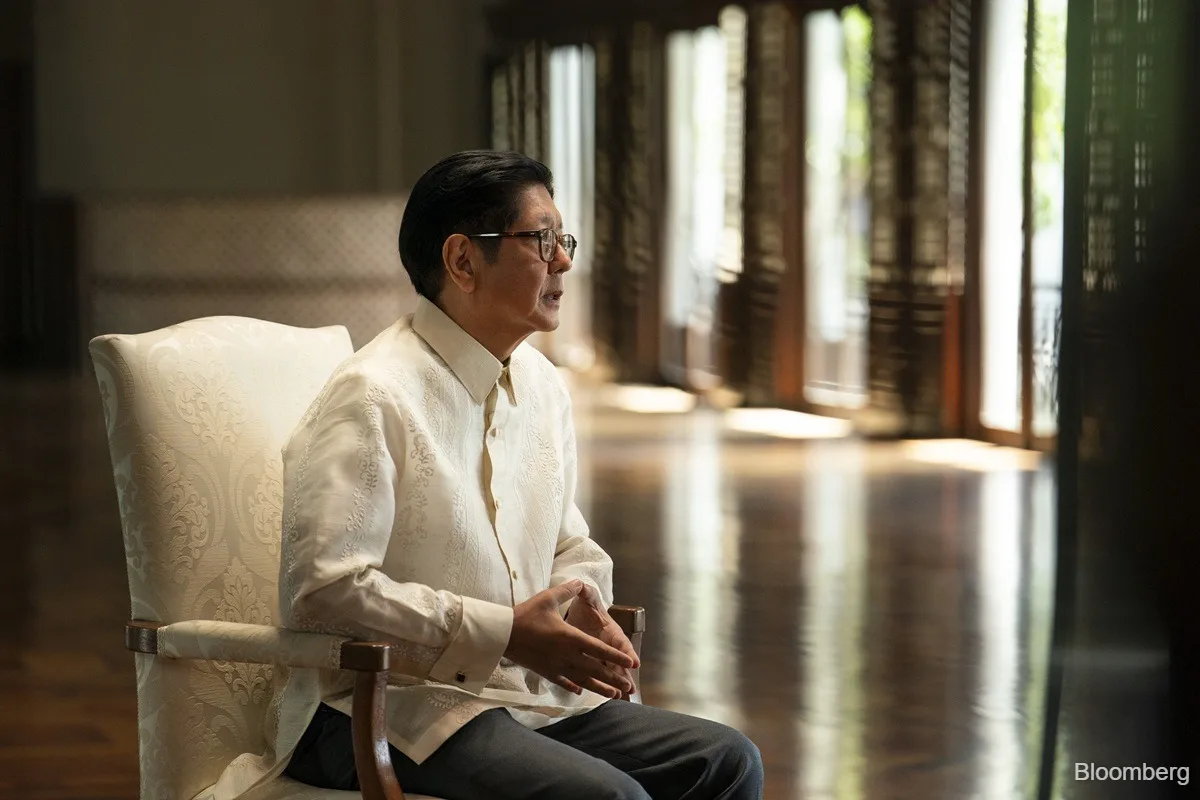
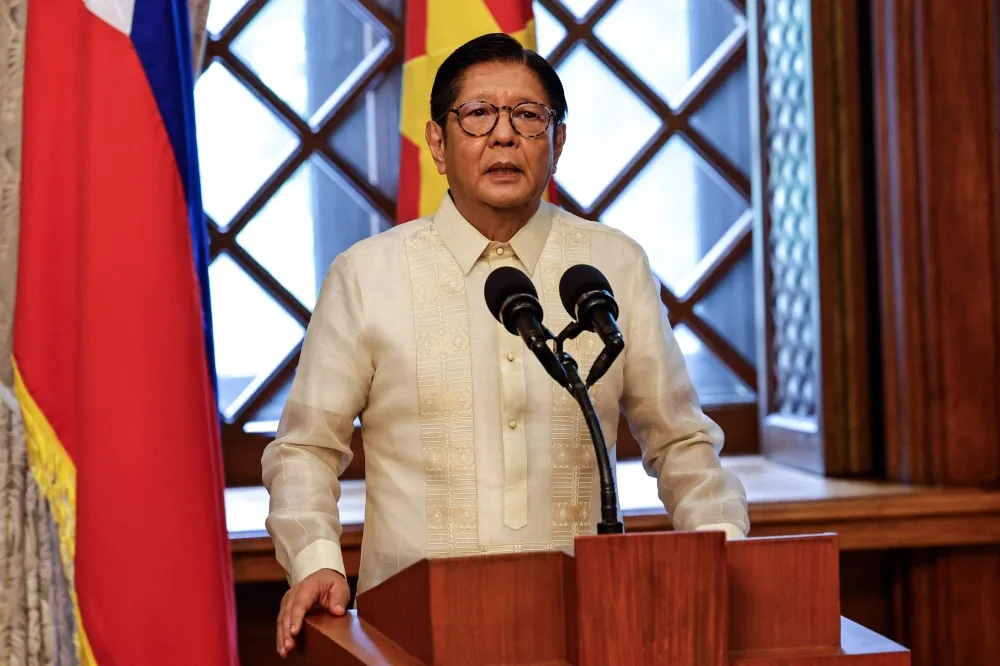
President Ferdinand Marcos publicly criticized the Senate boycott, calling the legislature “in disarray” and urging lawmakers to “get back to work” amid economic challenges caused by the Middle East conflict. Marcos said, “We cannot do that if the legislature decides to stay at home and have a vacation,” stressing the need to pass laws addressing the oil shock and other economic issues [6, 3, 1, 5, 2].
Marcos also noted constitutional limits on executive power over Congress, emphasizing senators must regulate themselves. The government is considering supplemental budgets and legislative amendments to respond to the economic crisis [6, 3, 4, 1, 5].
Meanwhile, the Senate’s Blue Ribbon Committee was re-established by the new majority to investigate government corruption. The chamber also amended rules to permit acting leaders to chair impeachment trials if the president is absent or the presidency contested [2].
The impeachment trial of Vice President Sara Duterte is scheduled to begin July 6, 2026, adding urgency to Senate proceedings amid the ongoing political turmoil [3, 4, 5].