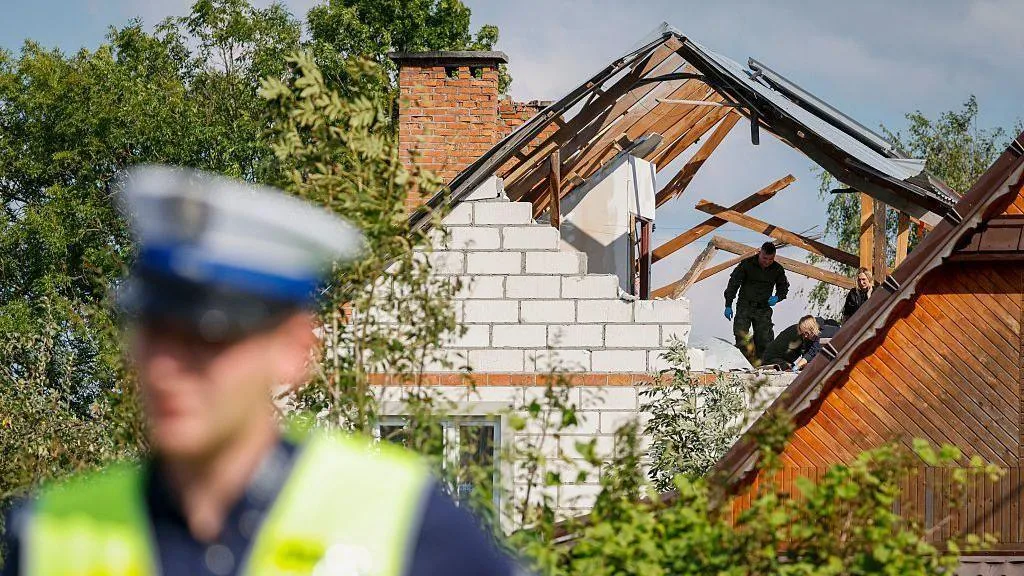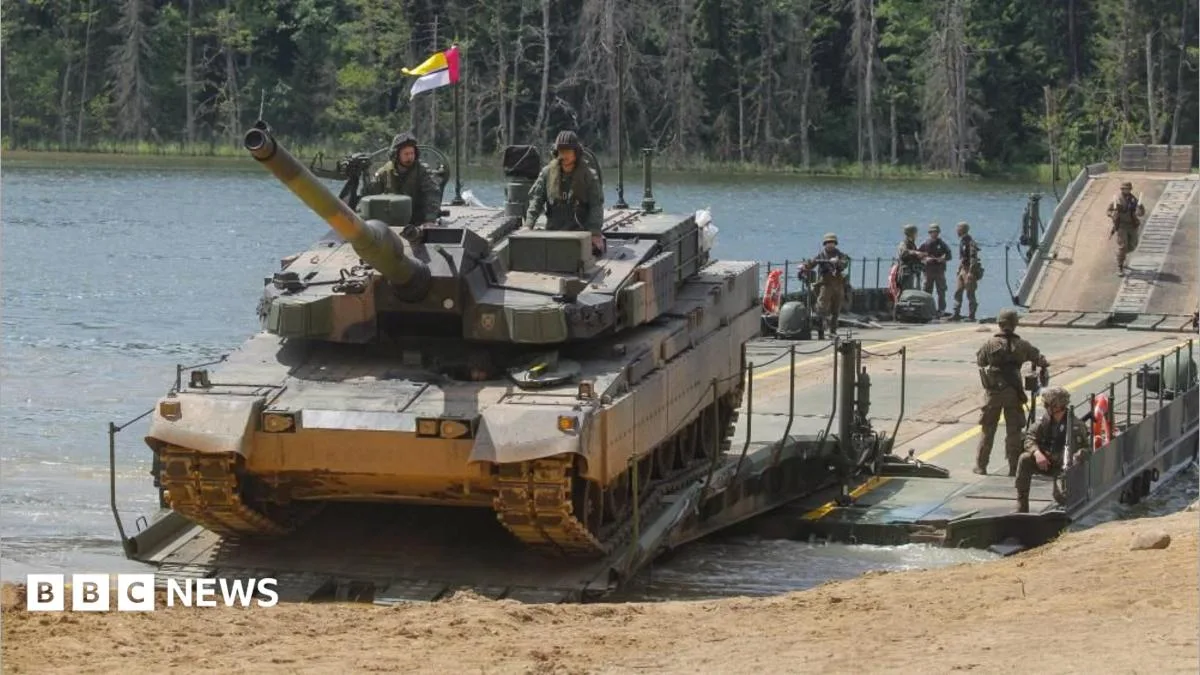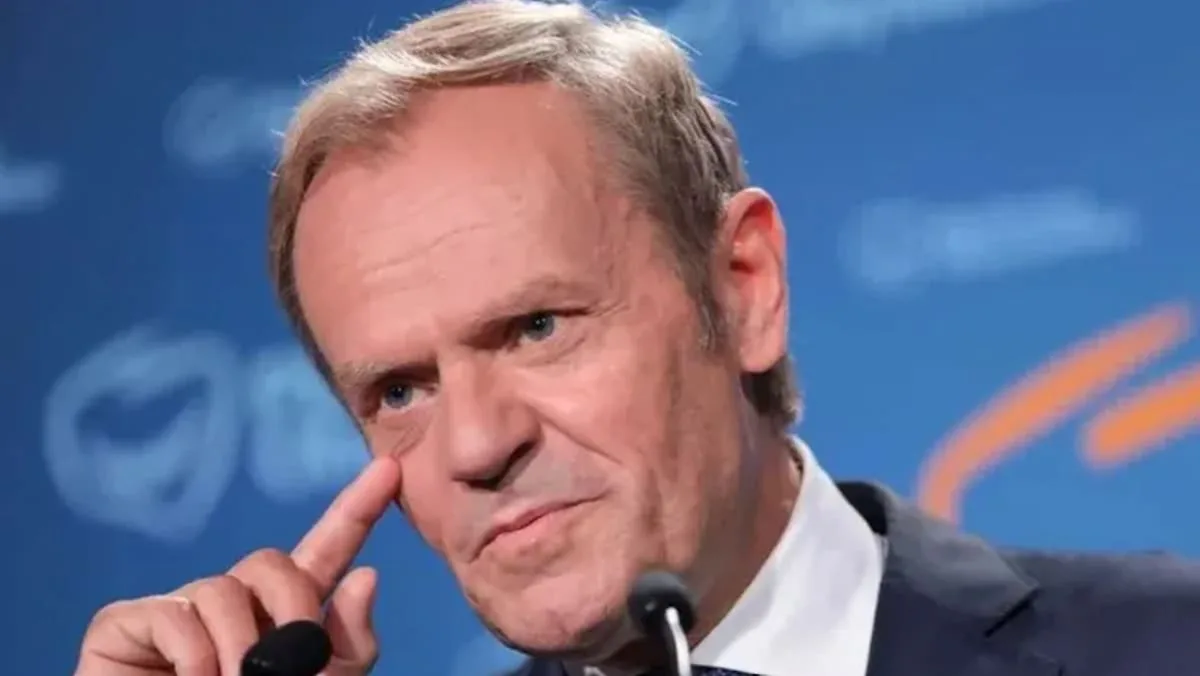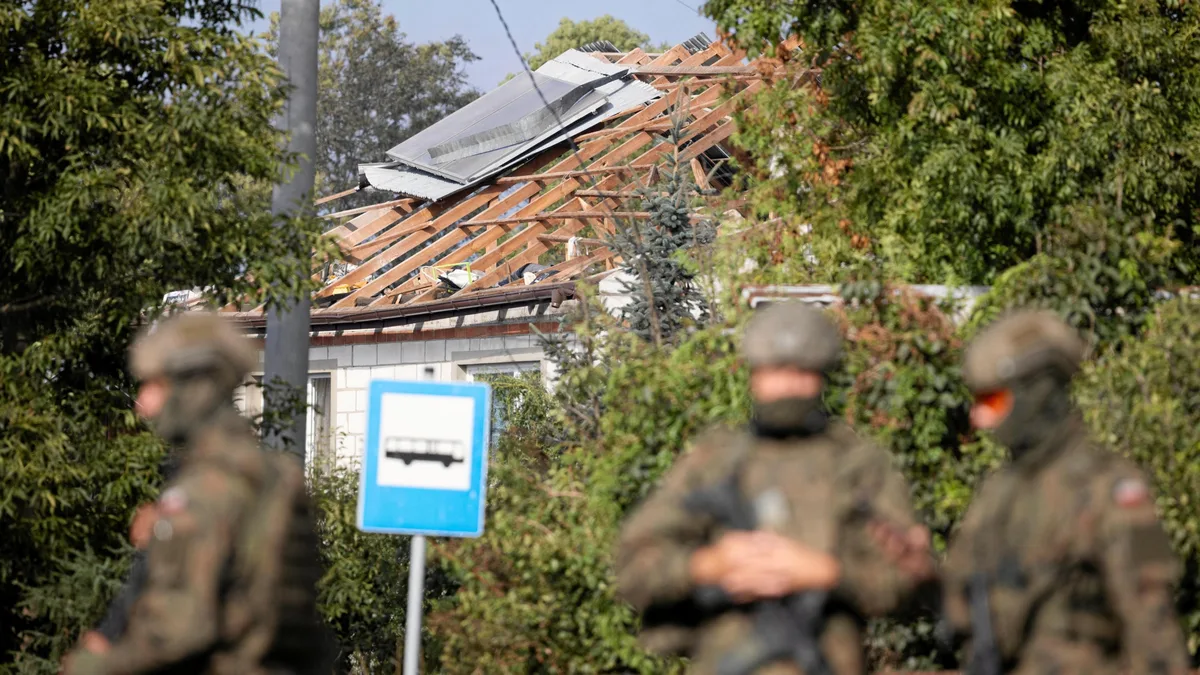
Polish Prime Minister Donald Tusk said the coming months may be critical due to the changing nature of the war with Russia and emphasized Poland is preparing for various scenarios to face potential threats. [1, 2]
US intelligence agencies have reportedly warned Poland multiple times about a possible Russian armed provocation designed to test NATO's resolve. [1, 3, 2] Reports suggest Russia could target Polish infrastructure, including missile or drone strikes, or even send soldiers into Poland to pressure Western allies into suspending aid for Ukraine. [1, 3, 2]
Tusk said, "Let's not be afraid, we are preparing for various situations, but we cannot ignore them... We are aware of the threats, also thanks to information from our allies." [2] Polish Deputy Prime Minister Radek Sikorski said he does not rule out a Russian false flag attack within the next two years to justify aggression against a NATO member state. [1, 2]
Alongside Poland, Baltic states have voiced concerns about vulnerability to Russian provocations or hybrid warfare tactics like missile and drone incursions. [1, 2] At the upcoming NATO summit in Turkey, Polish President Karol Nawrocki is scheduled to attend with other alliance leaders. [1, 2]
Poland indicated it will take a more cautious stance on further financial aid to Ukraine at the summit, citing the significant costs of defending its own border. Negotiations come amid reports of a possible €700 billion NATO aid commitment to Ukraine for 2026-2027. [4]
Tusk also acknowledged historical tensions between Poland and Ukraine, linked to World War II-era atrocities attributed to the Ukrainian Insurgent Army, including up to 100,000 Polish civilian deaths in Volhynia. However, he noted recent closed-door talks have raised hopes for improved relations. [4]
On July 3, Tusk publicly warned that the upcoming months could be critical due to the Russian threat. [1, 2] Earlier in July, US intelligence reportedly issued multiple alerts to Poland regarding possible Russian provocations. [1, 3] The NATO summit in Turkey is scheduled for later this month, where Poland will play a key role. [1, 2] Polish leaders’ more cautious approach toward further Ukraine aid will also be on display at the summit. [4]