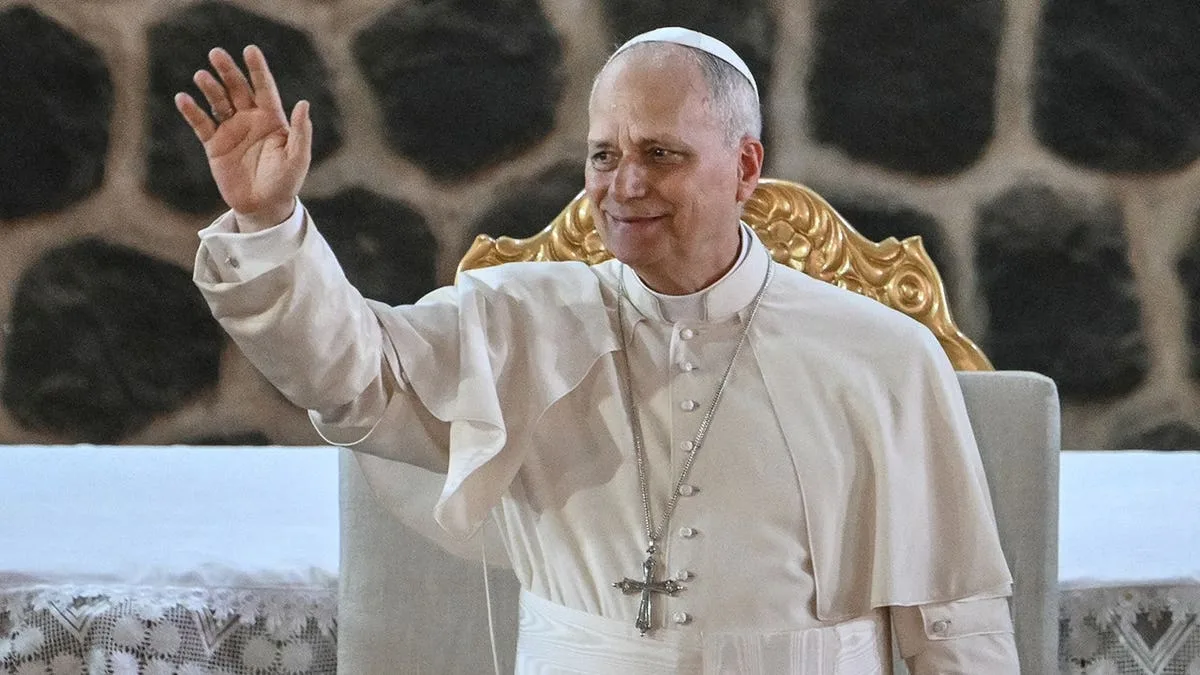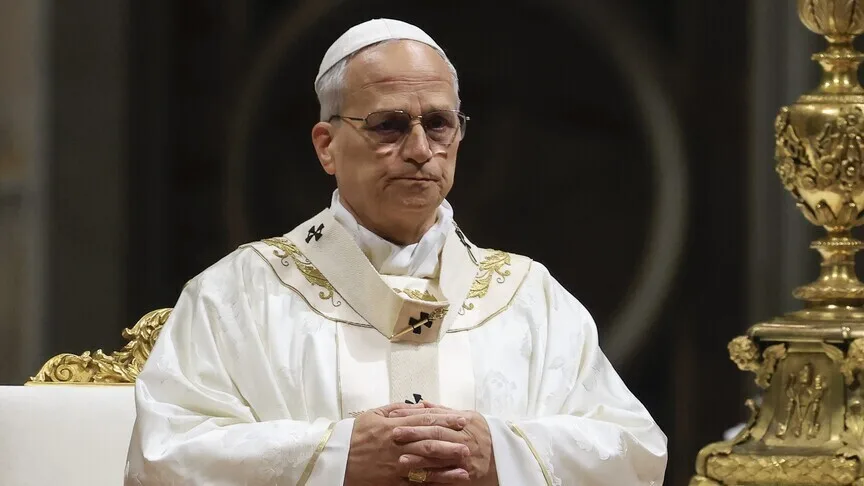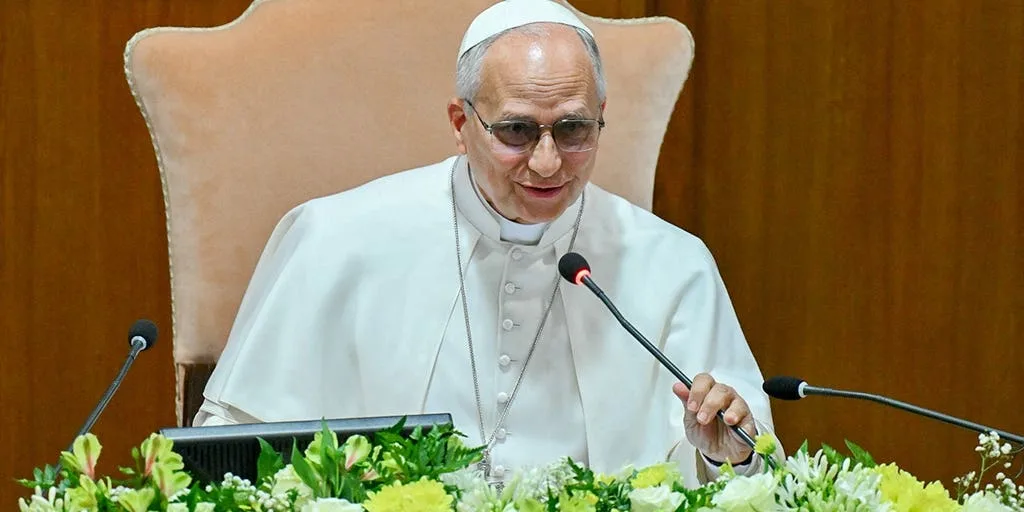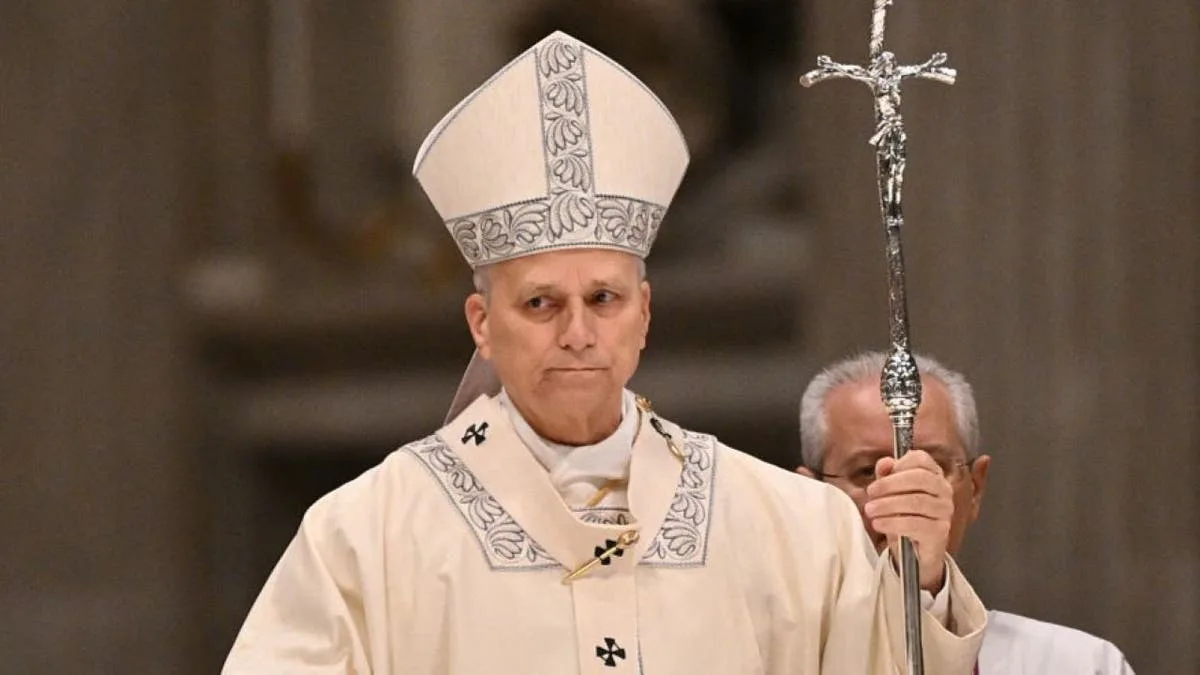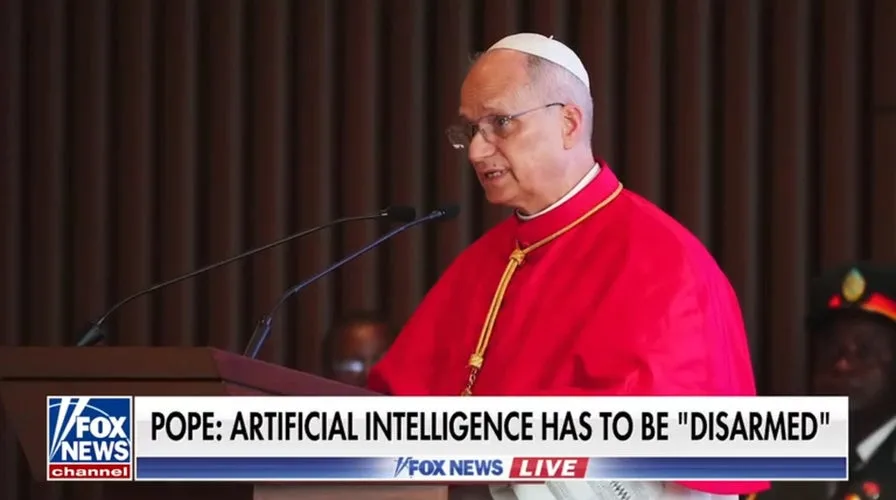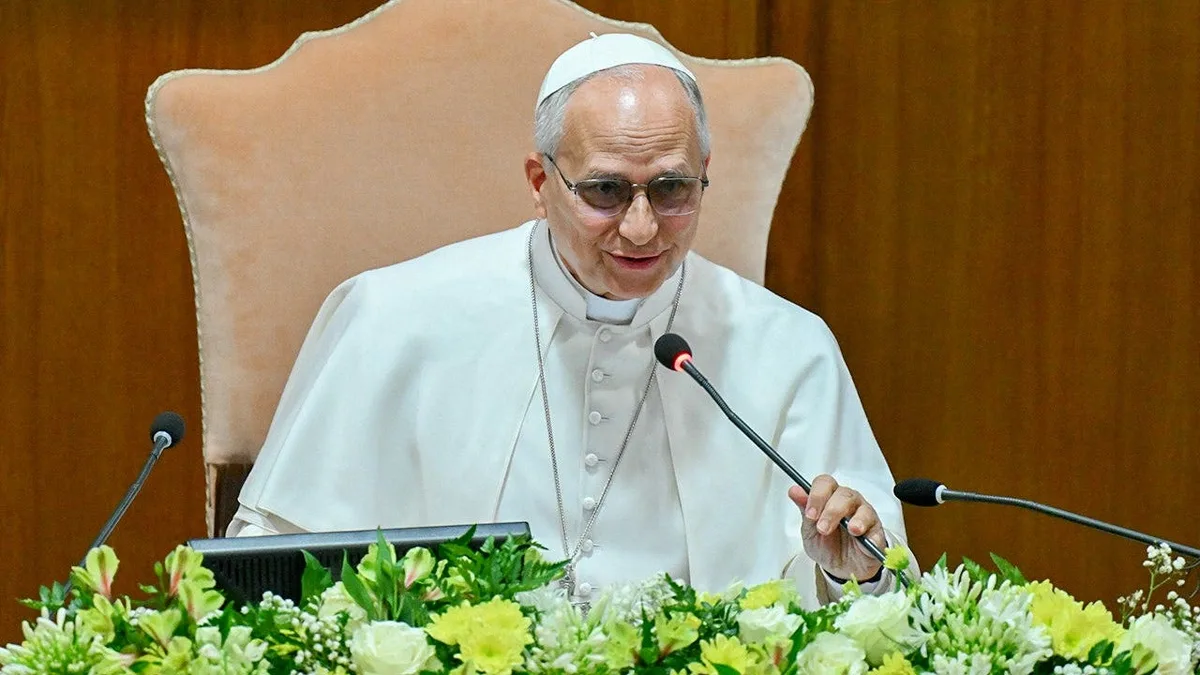
Pope Leo XIV issued a 40,000-word encyclical titled Magnifica Humanitas, focusing on protecting the human person amid advances in artificial intelligence and technology around the world today [1, 2]. The document draws on the biblical story of the Tower of Babel to warn against technological power overshadowing moral responsibility. The pope contrasts the destructive arrogance in the Tower of Babel with the cooperative spirit of the rebuilding of Jerusalem’s walls, linking this biblical lesson to the dual potential of modern technology [1, 2].
In Magnifica Humanitas, Pope Leo XIV compares the AI revolution to the 19th-century Industrial Revolution for its transformative societal impact [1]. He chose his name to honor Pope Leo XIII, whose 1891 encyclical Rerum Novarum addressed labor and social justice during the industrial era [1]. The new encyclical raises profound questions about human dignity, work, power, and inequality in the age of AI, warning against "the idolatry of profit that sacrifices the weak, a uniformity that neutralizes differences and the pretense that a single language -- even a digital one -- can translate everything, including the mystery of the person, into data and performance," the pope said [1].
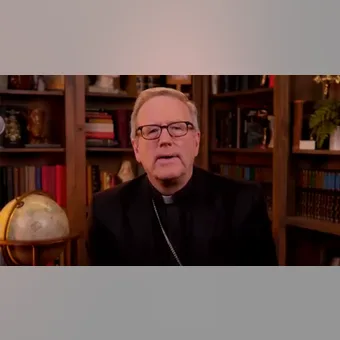
Bishop Robert Barron described the encyclical as focusing on "the irreducible nobility of the human being," emphasizing that humans are "made in the image and likeness of God" and elevated through the Incarnation to share in divinity. Barron noted Pope Leo XIV’s focus goes beyond AI itself to affirm the infinite dignity of every person [2].
Christopher Olah, co-founder of AI company Anthropic, attended the release alongside the pope [1].
The encyclical arrives amid growing global discussions on the ethical and social challenges posed by artificial intelligence and its impact on human labor and societal structures.
Magnifica Humanitas is one of the longest papal encyclicals, reflecting a comprehensive engagement with contemporary technological issues in light of Catholic teaching. It follows a line of recent encyclicals addressing modern challenges, including Pope Paul VI’s 1968 Humanae vitae and Pope Francis’s 2015 Laudato Si’ [2].