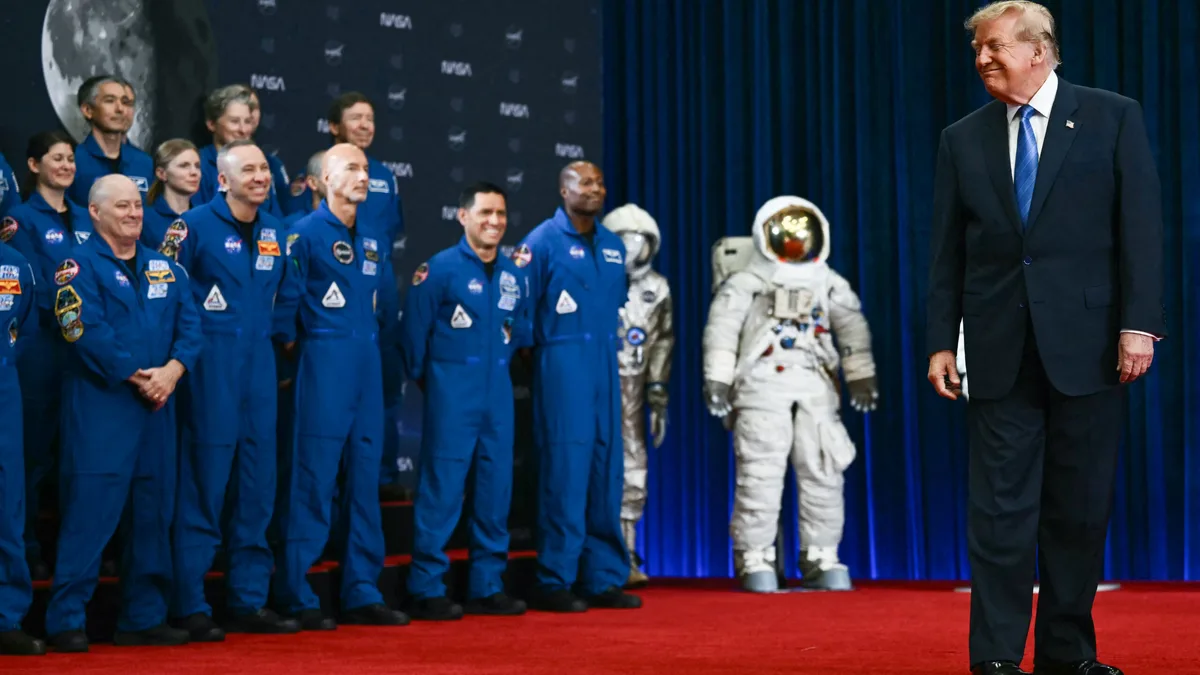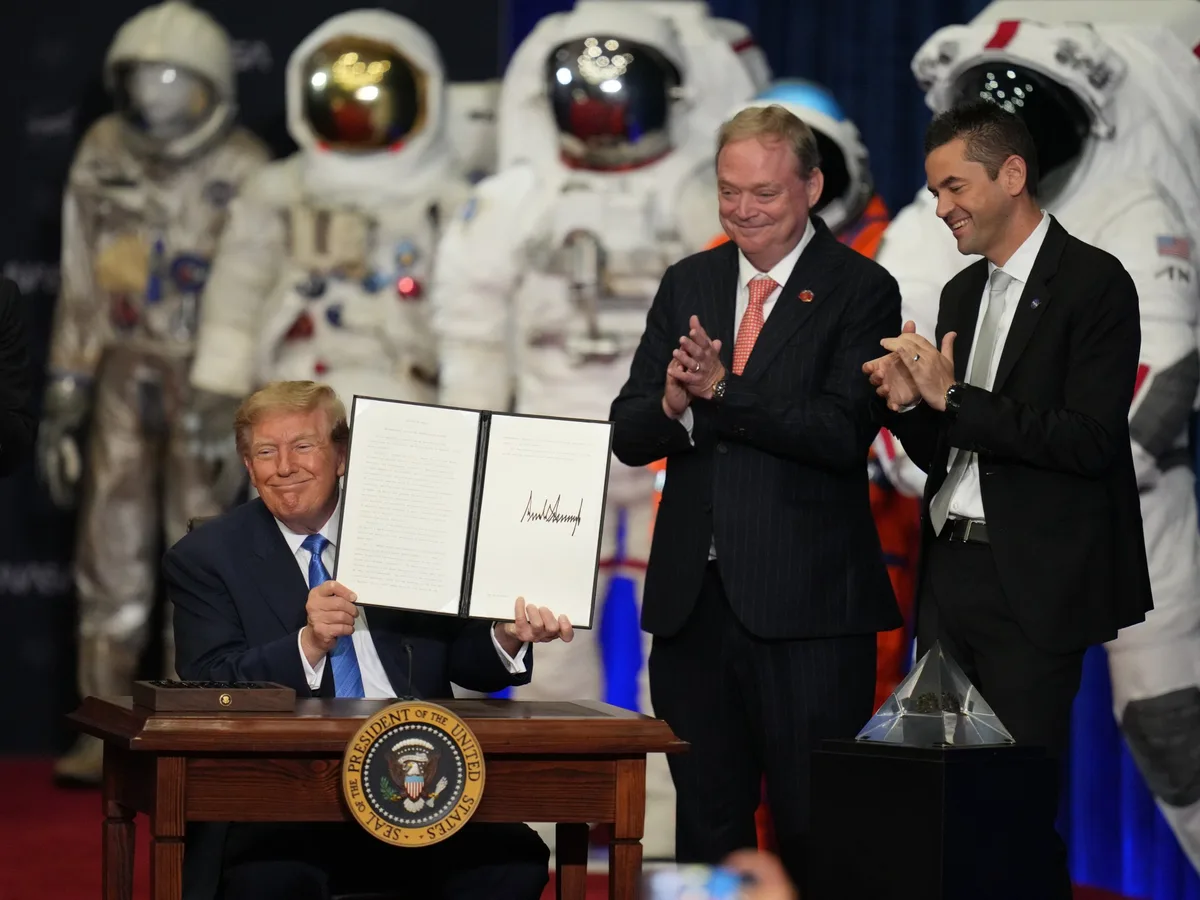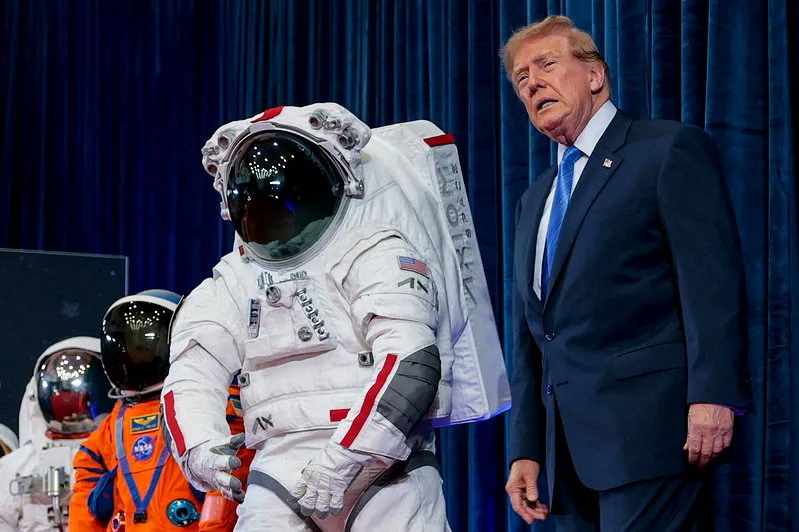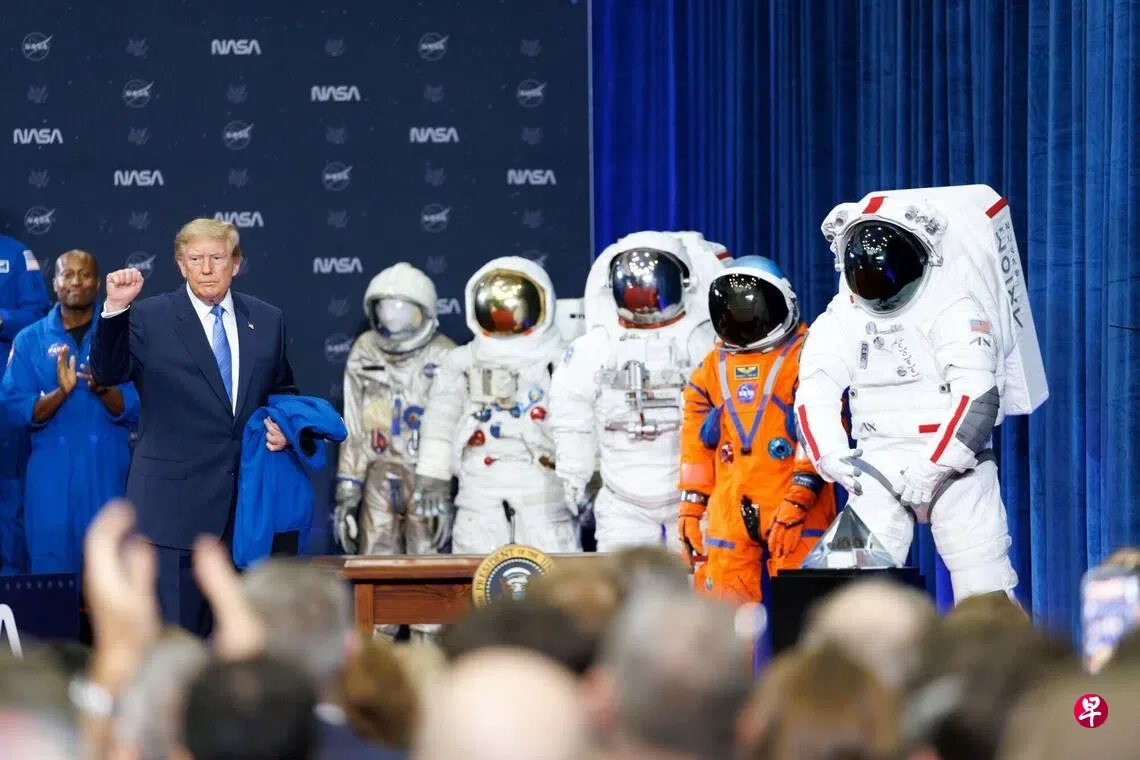
President Donald Trump signed an executive order on August 28, 2026, to create the US Space Academy, a new institution modeled after West Point and other military academies for training space professionals [1, 2, 3, 4, 5, 6, 7, 8].
The academy will train both civilian and military recruits to develop a professional corps dedicated to advancing US interests in space. Trump said, “It’s called the US Space Academy. That’s a big deal” during a ceremony at NASA’s Johnson Space Center in Houston, Texas [1, 2, 3, 4, 5, 6, 7, 8].
Trump plans to soon choose the academy’s location, with strong hints Texas could host the institution [1, 2, 6, 7]. The program will serve astronauts, engineers, and civilian operators, with tuition expected to be free in exchange for service commitments after graduation [3]. Graduates will serve in the US Space Force, NASA, or the civilian space industry [4, 5, 6, 7].
An eight-member presidential commission headed by NASA Administrator Jared Isaacman is advising the president on launching and structuring the academy [1, 2, 3, 5, 7]. The academy aims to be highly competitive, likened to West Point and Annapolis with strict admission standards [6, 9, 10, 11, 12].
The move aligns with Trump’s broader space policy, which includes establishing the US Space Force as the sixth military branch [1, 2, 5]. Trump framed the academy as part of his legacy to maintain US dominance in space, saying, “If we are second in space, we will never be first on Earth. That simply won’t happen. No matter what” [1, 2, 4, 5, 8].
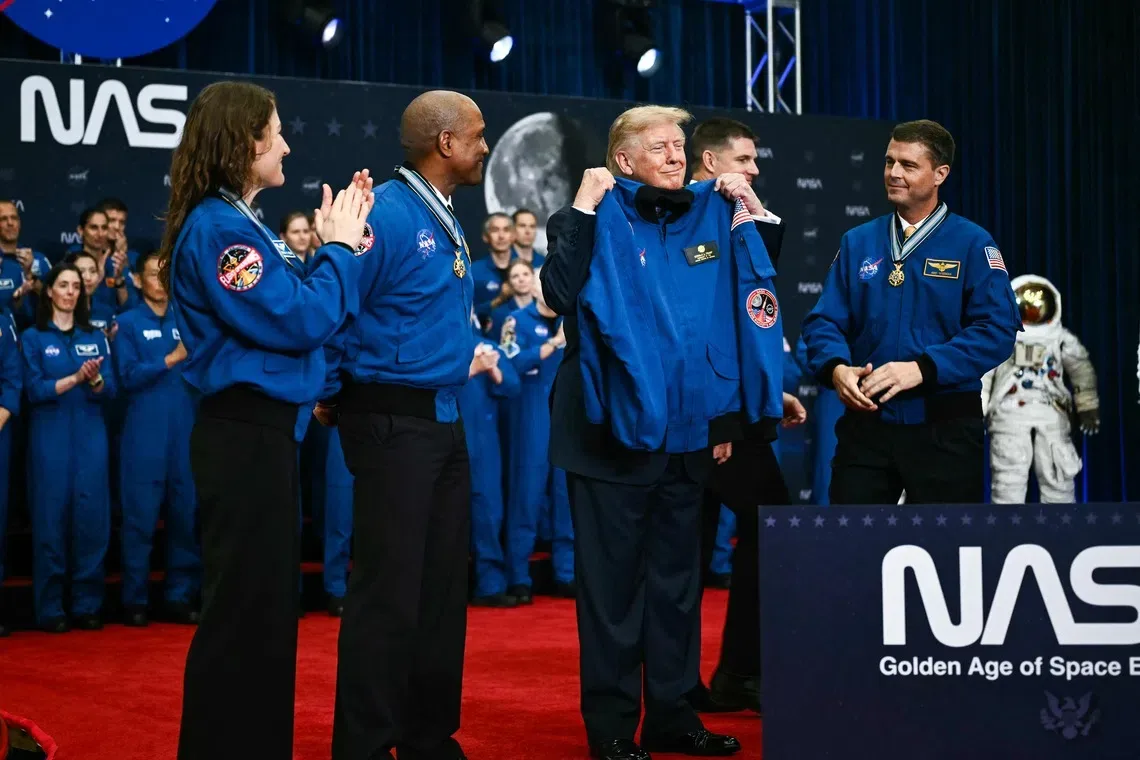
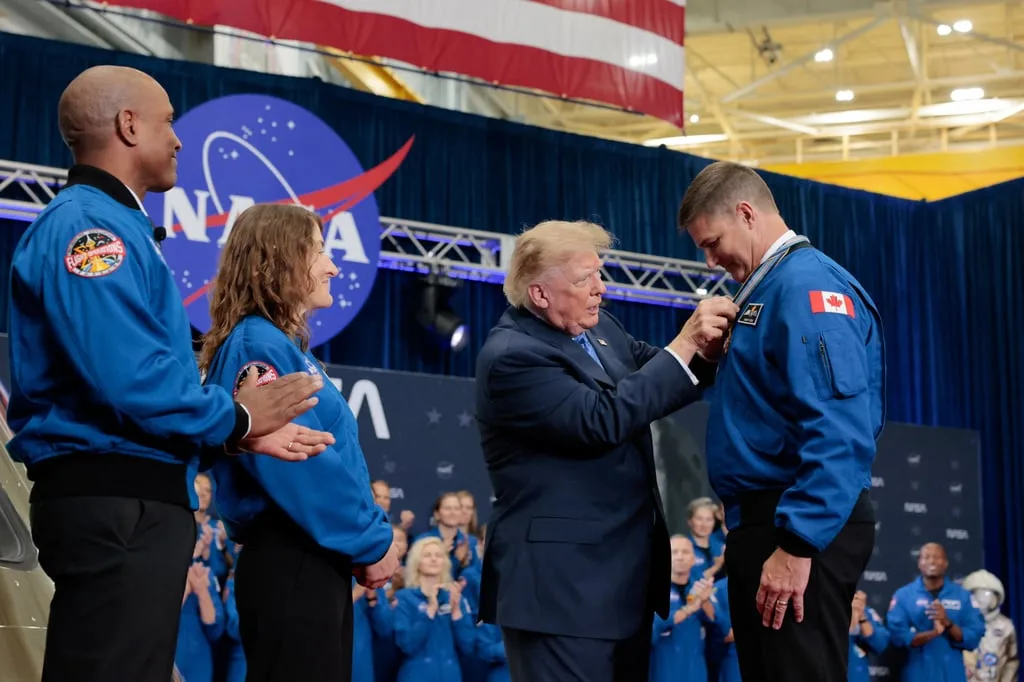
On the same day, Trump awarded the Congressional Space Medal of Honor to the four Artemis II astronauts who orbited the moon earlier in 2026: Commander Reid Wiseman, Pilot Victor Glover, Mission Specialist Christina Koch, and Canadian astronaut Jeremy Hansen [1, 5, 6, 8].
Trump also shared a light-hearted moment during a call with International Space Station astronauts, joking about growing a beard like astronaut Jack Hathaway, who humorously noted its advantages in microgravity [6, 9, 10, 11, 12].
US plans include landing astronauts on the moon by 2028 using SpaceX’s Starship and possibly Blue Origin’s lunar lander, though technical delays have put the timeline at some risk [1, 7]. NASA is also developing a nuclear-powered interstellar spacecraft for a planned Mars mission in 2028 [1, 7, 8].
The US Space Academy’s launch and location decision are expected soon as part of advancing the Artemis program and American space goals.