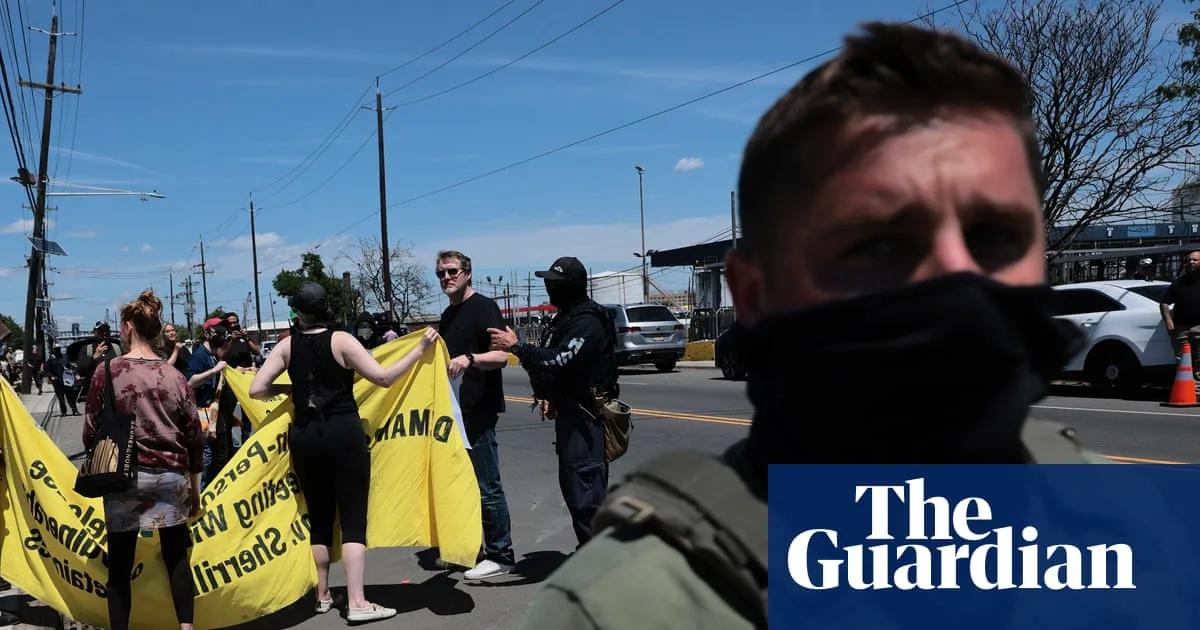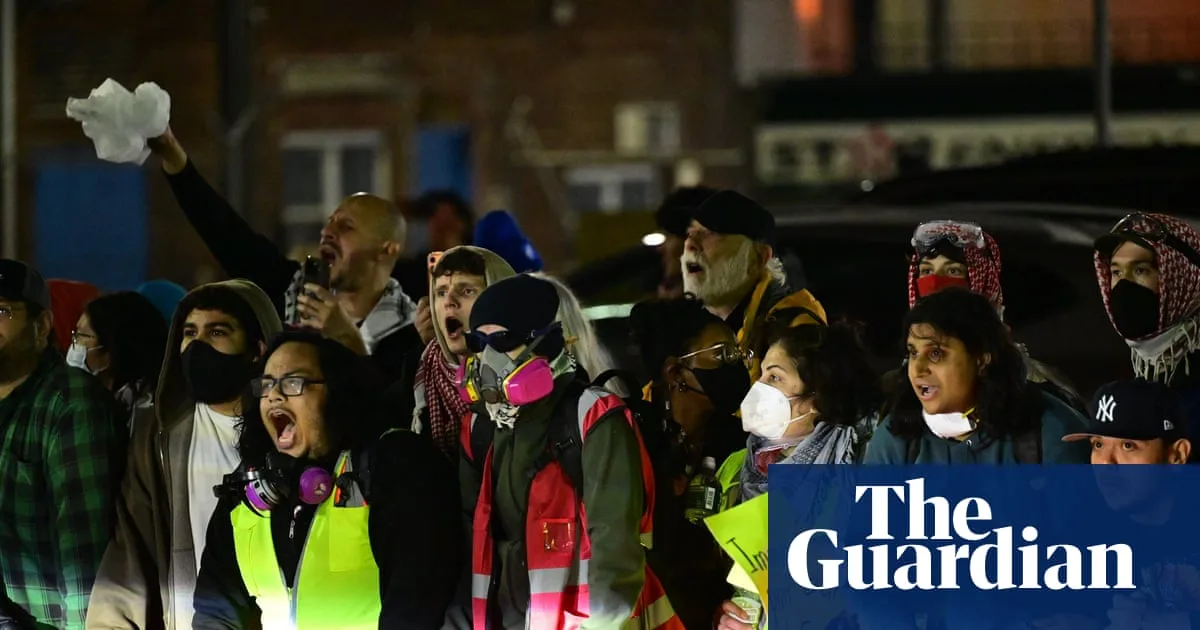
Protests have been ongoing since mid-May 2026 outside Delaney Hall, a Newark, New Jersey immigration detention center operated by the private contractor GEO Group [1, 2, 3, 4]. Nearly 300 detainees launched a hunger and labor strike on May 22, demanding improved conditions, release of vulnerable detainees, enhanced medical care, and family visits [1, 2, 4, 5].
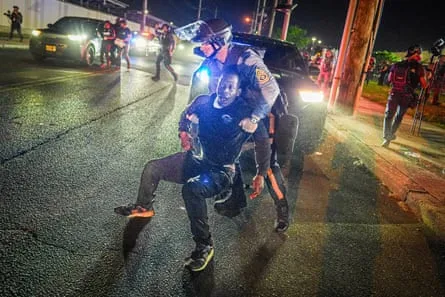
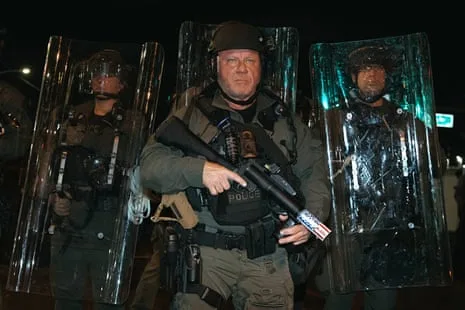
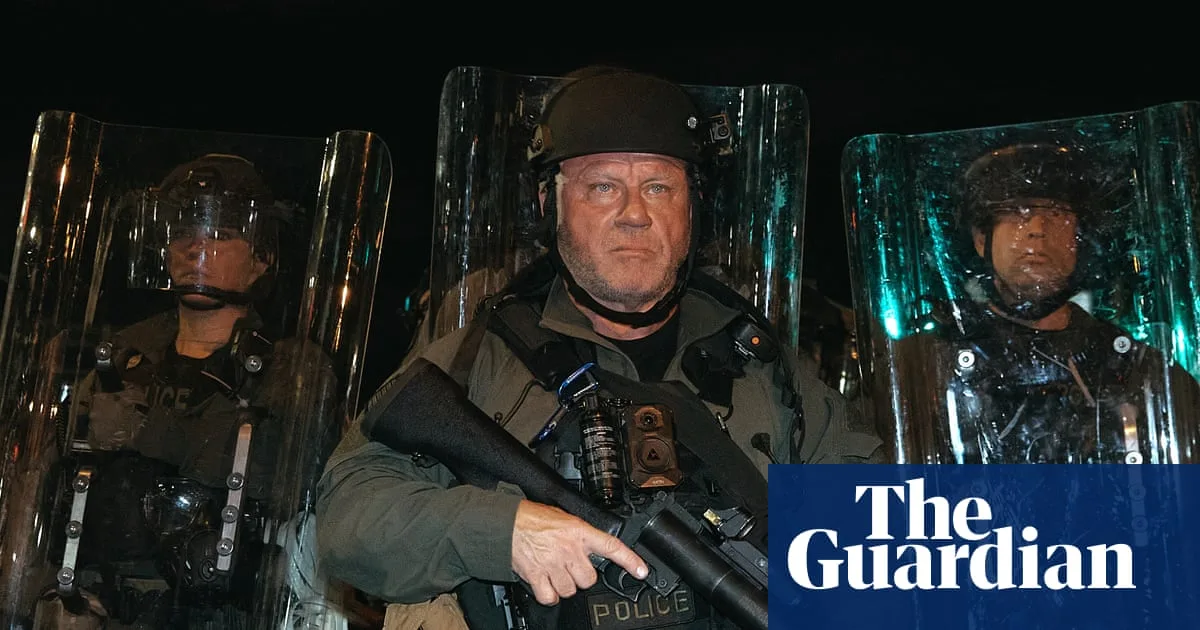
The protests have repeatedly clashed with ICE agents and New Jersey State Police, who have used pepper spray, tear gas, horses, and physical force to disperse crowds and enforce curfews [1, 6, 7, 8, 9, 10, 5]. On May 25, ICE agents confronted protesters during the attempted transfer of hunger striker Martin Soto. His wife Gabriela Soto said, "I was banging on the door of the van. I was not letting that happen. They were pulling and dragging him into the van. He was banging on the window. He was screaming and banging on the window. That’s why everyone here is blocking it because they’re not going to let my husband be deported or sent away." [1]
In response to escalating tensions, New Jersey Governor Mikie Sherrill announced on May 29 that state police would replace ICE agents to secure the area and establish protected protest zones [6, 9]. Newark Mayor Ras Baraka imposed a curfew from 9 p.m. to 6 a.m. within a half-mile radius of Delaney Hall starting May 31 [7, 3]. Baraka warned, "Due to the escalating situation at Delaney Hall and the increasing need for police intervention, immediate action is required to protect public safety. Multiple individuals have already been arrested and found in possession of weapons, underscoring the seriousness of the threat." [3]
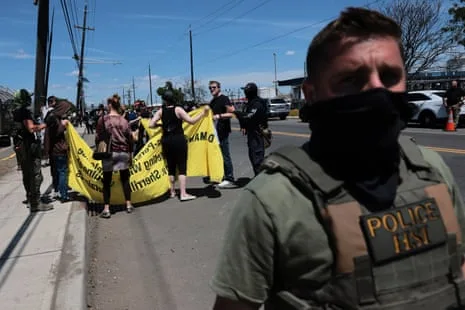
Several protesters were arrested overnight on June 1 for curfew violations and refusing police orders, with estimates of arrests ranging between 20-25 according to New York Post reports and over 46 according to activist groups [7]. A pro-ICE counterprotest took place on May 30 amid heightened federal agent presence including Homeland Security Investigations [6, 9].
Governor Sherrill sought access to inspect Delaney Hall but was denied entry, prompting her to say, "My request for access to Delaney Hall was formally denied this morning, raising serious questions about what they are trying to hide from public view." [1, 4, 11]
Nearly 300 detainees described conditions inside Delaney Hall as "inhumane," citing poor food, lack of medical care, psychological torture, and denied family visits [4, 11, 5]. The Department of Homeland Security and GEO Group deny mistreatment allegations, stating detainees receive adequate meals, hygiene, medical care, and communication access. A DHS spokesperson said, "All detainees are provided with 3 meals a day, clean water, clothing, bedding, showers, soap, and toiletries. Illegal aliens also have access to phones to communicate with their family members and lawyers. Certified dieticians evaluate meals. ICE has higher detention standards than most U.S. prisons that hold actual U.S. citizens." [4, 11, 5]
Protests and police enforcement continue in the area with the curfew active from 9 p.m. to 6 a.m. within 0.5 miles around Delaney Hall [7, 3]. Arrests and demonstrations remain ongoing as tensions near the facility persist.