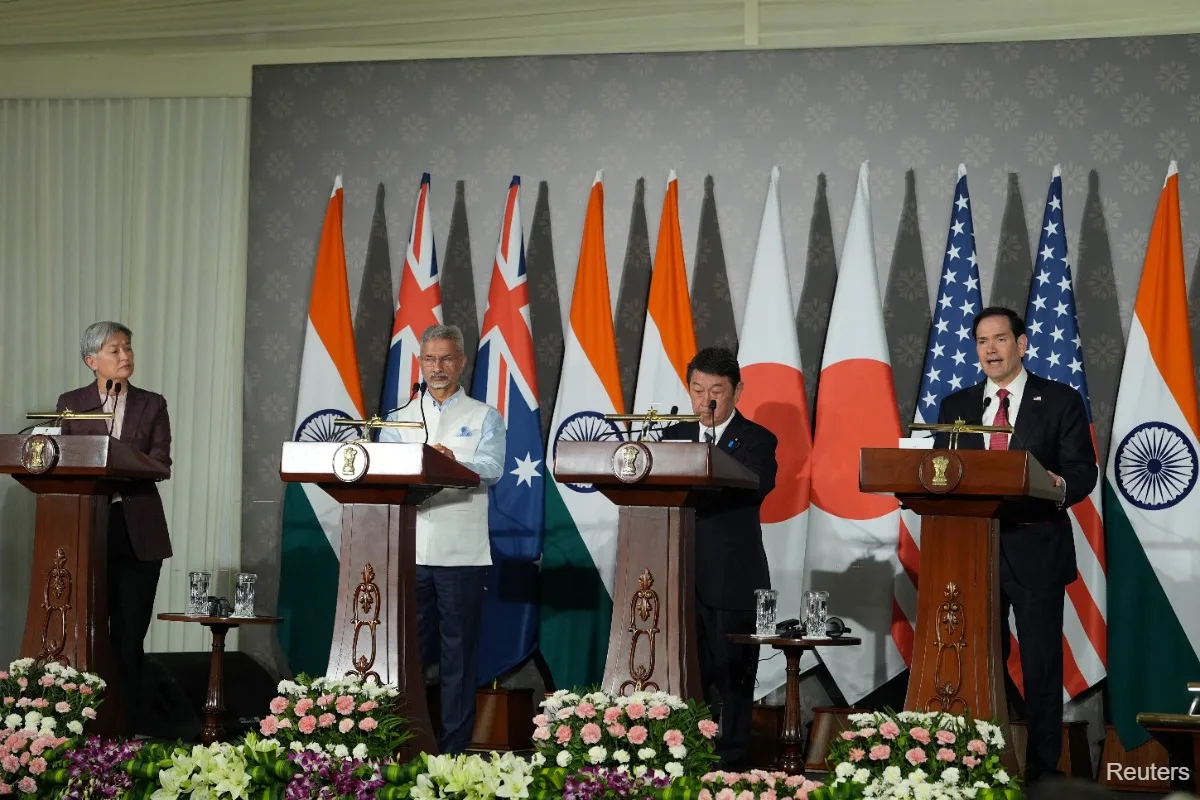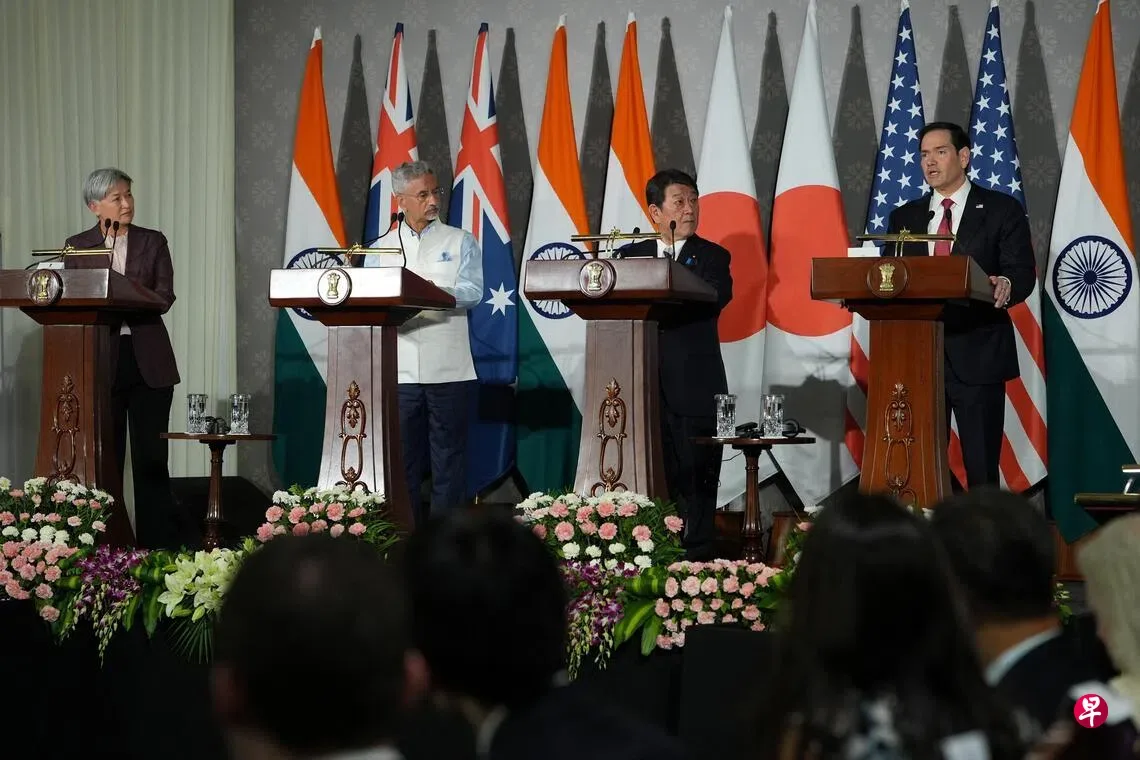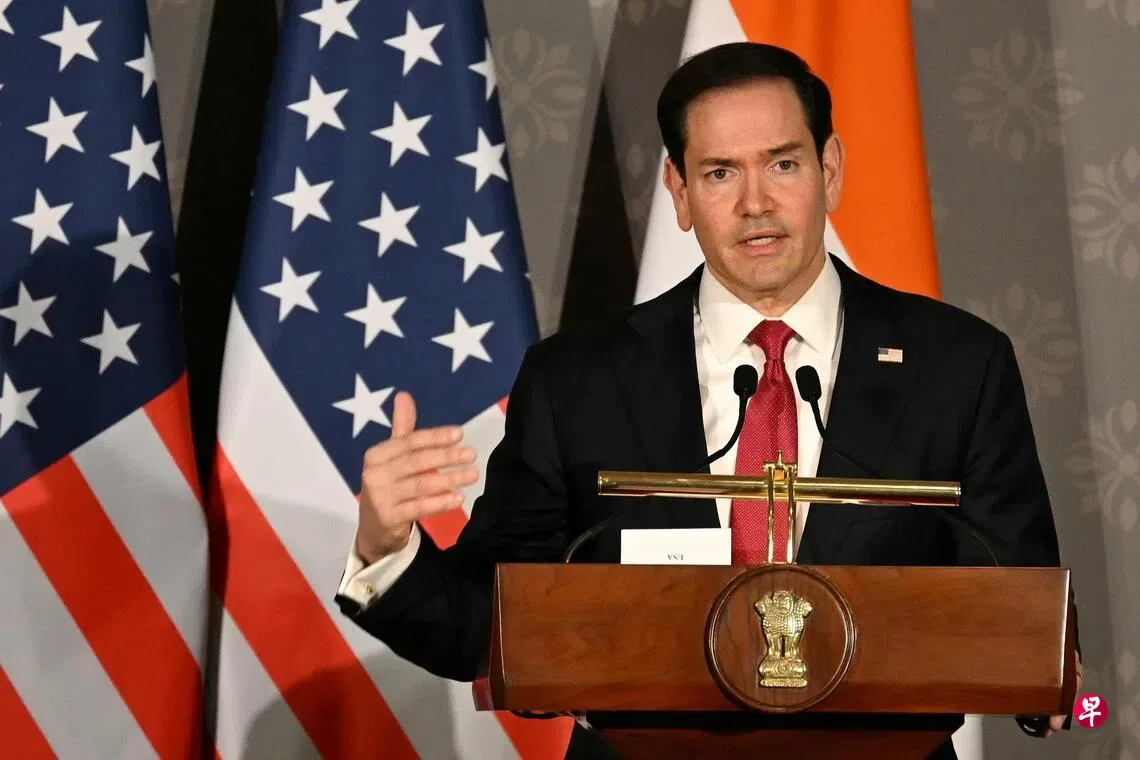
The foreign ministers of the Quad countries—United States, Australia, India, and Japan—met in New Delhi on May 26, 2026, and agreed to jointly build a port in Fiji as their first shared infrastructure project [1, 2, 3, 4]. This port project aims to address insufficient port capacity faced by Pacific island countries, offering a concrete response to regional logistical challenges [2, 3, 4]. US Secretary of State Marco Rubio said, "We will cooperate on port infrastructure, especially addressing insufficient port capacity in Pacific island countries. We announce plans to work with Fiji." [3]
The planned port may be linked to Fiji’s multi-billion-dollar relocation and redevelopment of its main Suva Port, which currently serves as a Chinese naval and fishing base. Fiji Ports Corporation’s acting CEO Suresh Prasad remarked, "The Quad port cooperation announcement surprised me. Previously we discussed $181 million port upgrades and a $1.82 billion Suva Port relocation plan. If this is a Quad project, it is likely linked to Suva port’s major redevelopment." [5]
The Quad ministers also launched an Indo-Pacific Energy Security initiative alongside a Critical Minerals Framework. These aim to strengthen supply chains through coordinated investment, mining, processing, and recycling of critical minerals using economic policy tools [1, 2, 4, 6]. The critical minerals initiative plans up to $20 billion in combined public and private funding to support diversification and fairness in the market, which is significant amid China’s recent export restrictions affecting Japan [6, 7]. Rubio said, "The Quad Critical Minerals Framework will guide how to leverage economic policy tools and coordinate investment to strengthen critical minerals supply chains including mining and processing and critical mineral recycling." [1]
An additional Indo-Pacific Maritime Surveillance Initiative was announced to integrate maritime monitoring and intelligence sharing among Quad members [3, 8]. This meeting marked the third ministerial meeting since September 2024, signaling renewed momentum after a 2025 slowdown caused by tensions between US President Trump and Indian Prime Minister Modi [1, 2, 3, 9]. Rubio called the port project "a concrete demonstration of our group’s capacity to deliver high quality, resilient infrastructure." [8]
The Fiji Parliament was informed on May 25, 2026, of a feasibility study agreement with the US Millennium Challenge Corporation on the port project, setting the stage for detailed planning and development [5, 10, 11].