A record-breaking heat wave swept across the central and eastern United States and Canada in mid-July 2026, impacting more than 100 million people from the Rocky Mountains to the Midwest and eastern US and southern Canada [1, 2, 3, 4, 5]. On July 11, around 44 million Americans were placed under heat warnings as temperatures were expected to reach up to 43°C (110°F), especially near Salt Lake City and the northern plains [1, 6, 7, 8]. The US National Weather Service Weather Prediction Center warned of “dangerous heat” with “triple digit highs and potential for daily maximum temperature records both days” [1].
The heat wave’s hottest day was Sunday, July 12, when temperatures ranged between 37.7°C and 43.3°C across northern states including Montana, North Dakota, and Utah [1, 6, 9, 10, 11, 12]. Salt Lake City and Billings, Montana, broke records over 150 years old with highs near 43°C (109°F) [9, 10, 11, 12]. Billings recorded the highest temperature at 44°C on July 14 [2, 5].
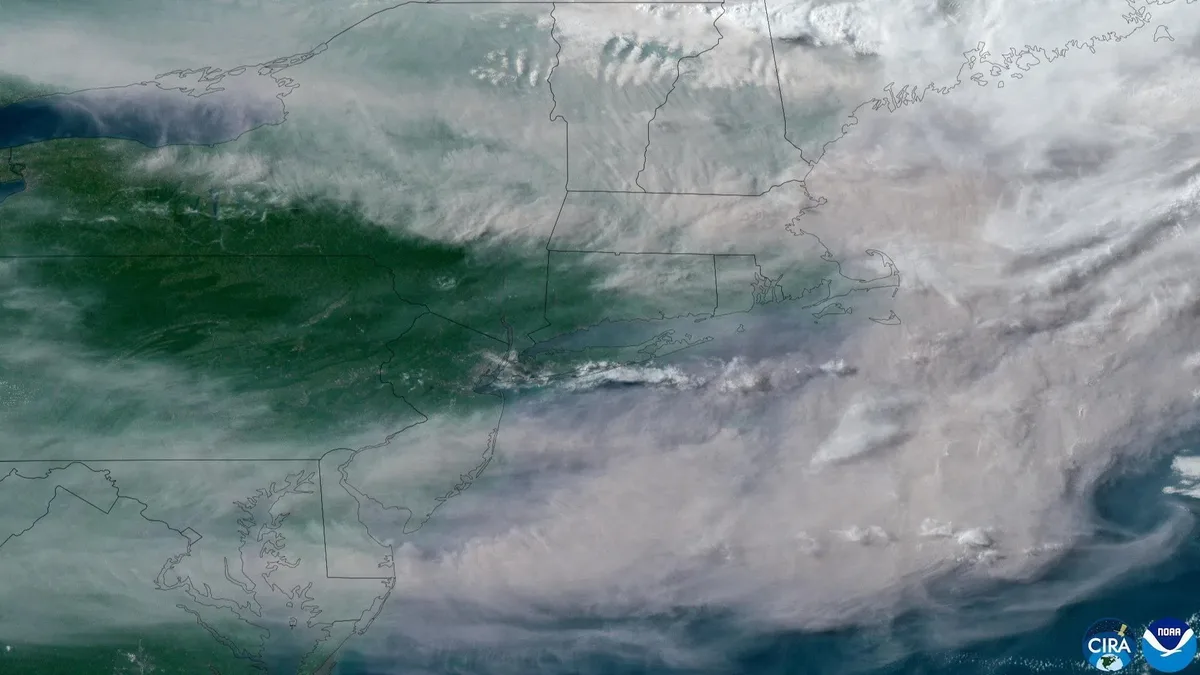
A heat dome trapped extreme heat over the western US before moving eastward, causing new record highs in eastern cities such as Richmond, Boston, Washington D.C., and New York, with temperatures close to or above 37°C (99-101°F) [2, 3, 4, 5]. On July 14-15, the northeastern US faced persistent heat combined with high humidity, resulting in poor air quality and risks of strong thunderstorms and rare tornadoes in northern New England [4, 5]. Canada Environment and Climate Change noted that the hot and humid air could push the Air Quality Health Index toward high-risk levels [2].
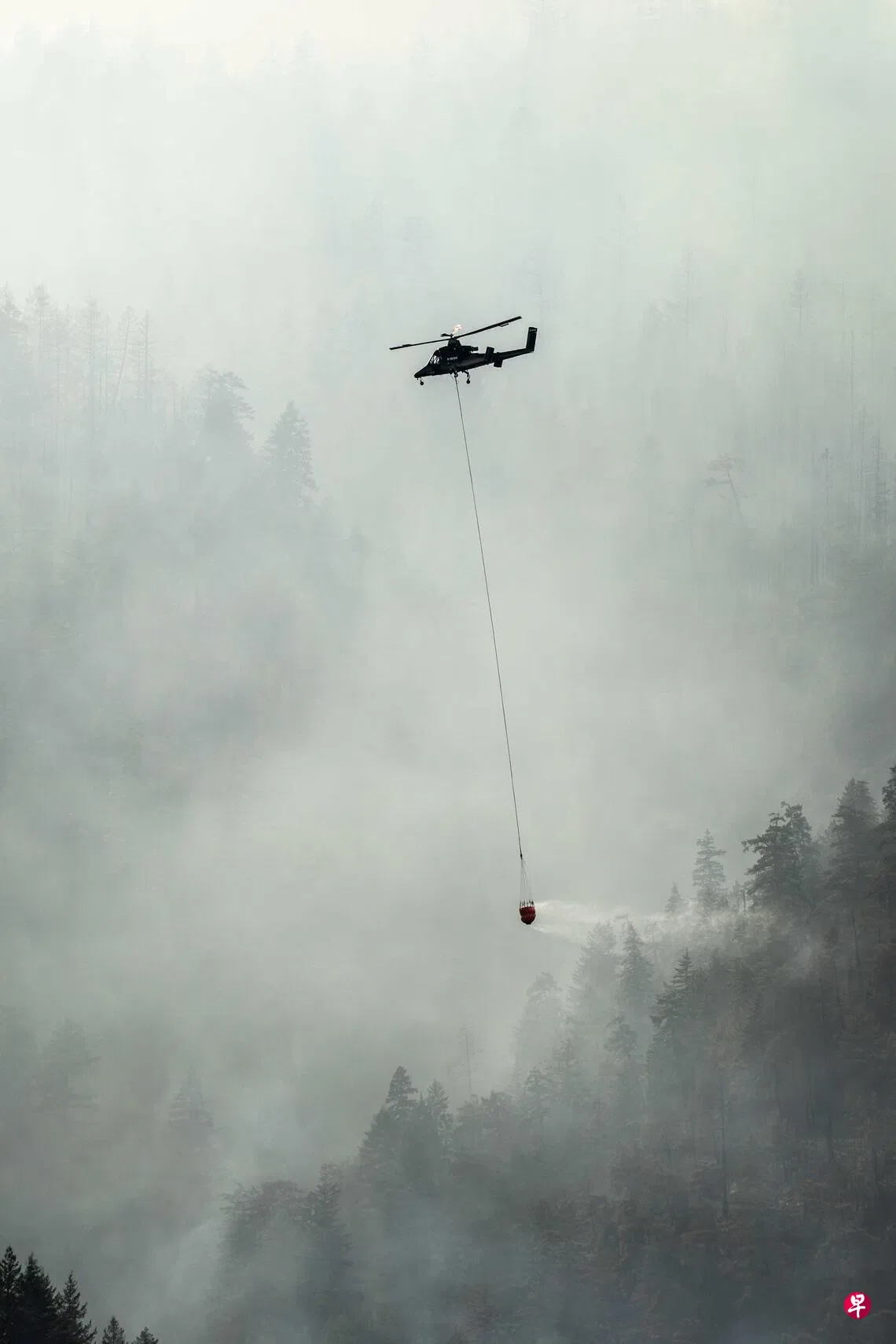
The heat wave interfered with wildfire fighting efforts in Colorado, Utah, southwestern Ontario, and northern Minnesota [1, 2, 3, 9, 5]. Scientists link the extreme heat to climate change fueled by fossil fuel emissions combined with a strengthening super El Niño that may drive further heat events into 2027. Climate scientist Alessie of the Thoughtful Scientists Alliance said the heat dome “exemplified” how human-influenced warming releases more heat into the atmosphere [2, 5].
Meanwhile, Western Europe suffered its own unprecedented June 2026 heat wave, with over 1,300 heat-related deaths and early closures of Paris landmarks during France’s third 2026 heat wave [1, 3, 10, 8, 11, 12].
Heat warnings and alerts remain in effect across much of the central and eastern US and southern Canada as temperatures continue to challenge records and emergency services manage wildfire threats and health risks [2, 5].