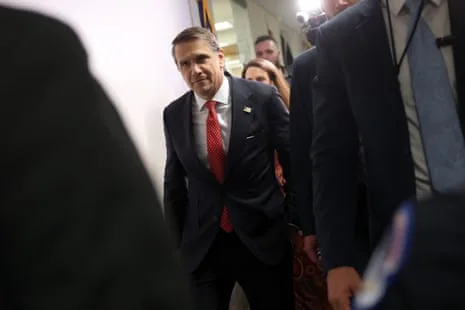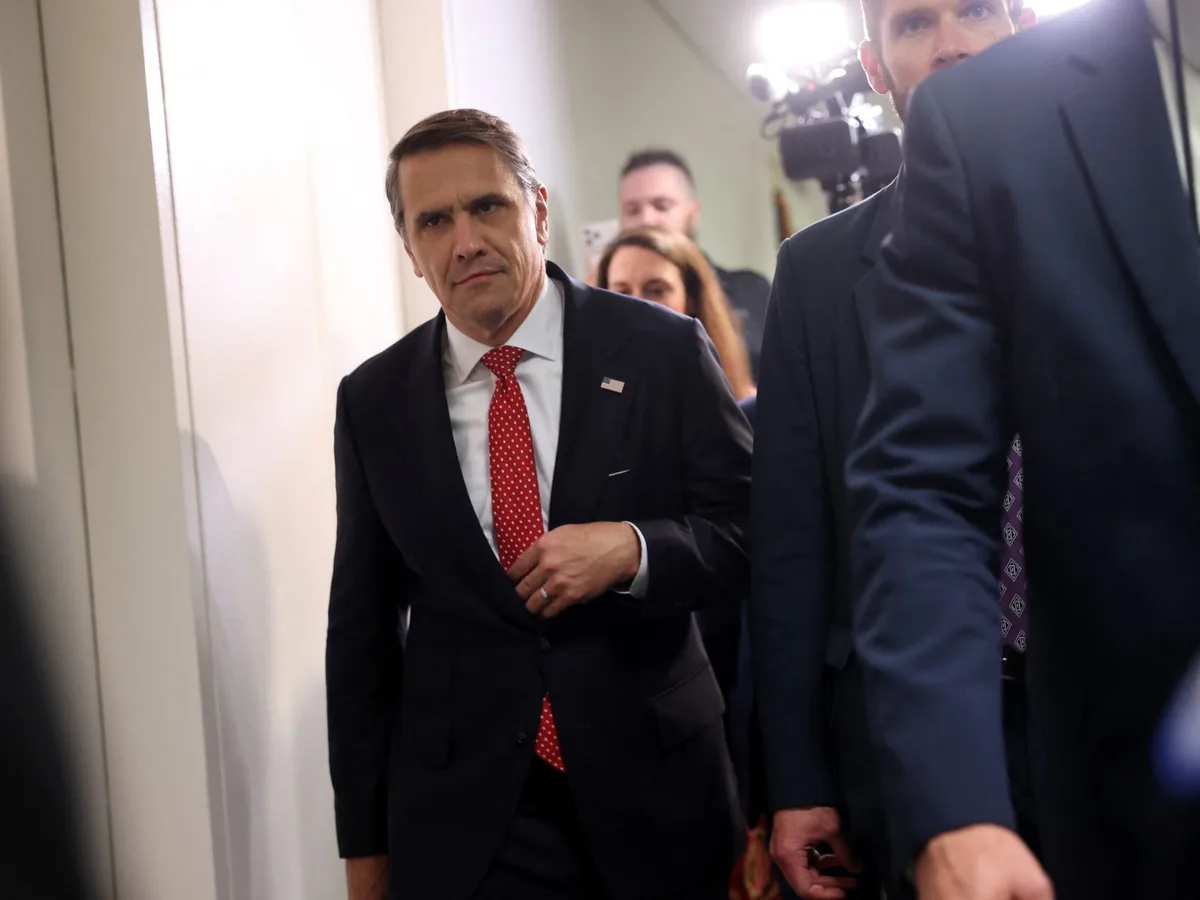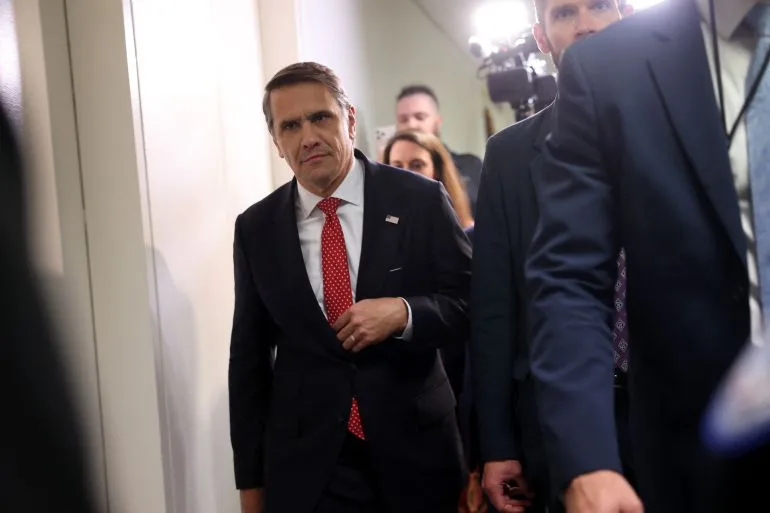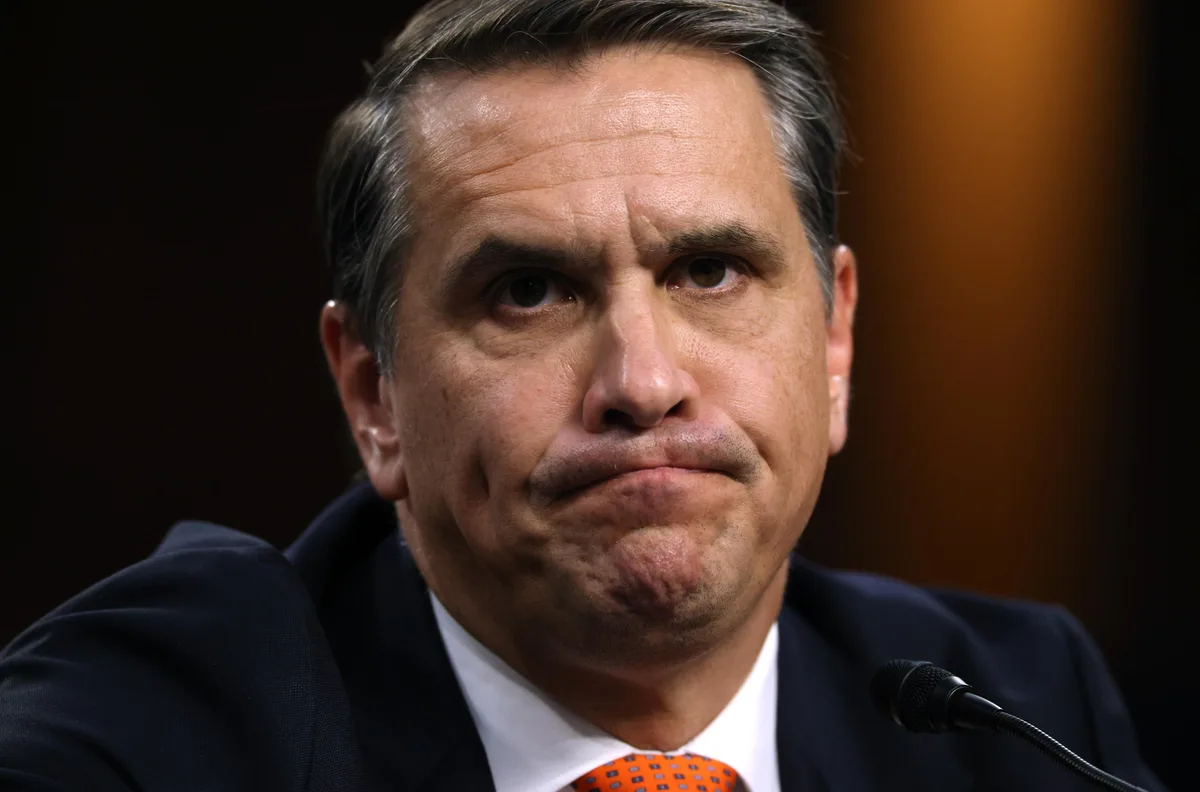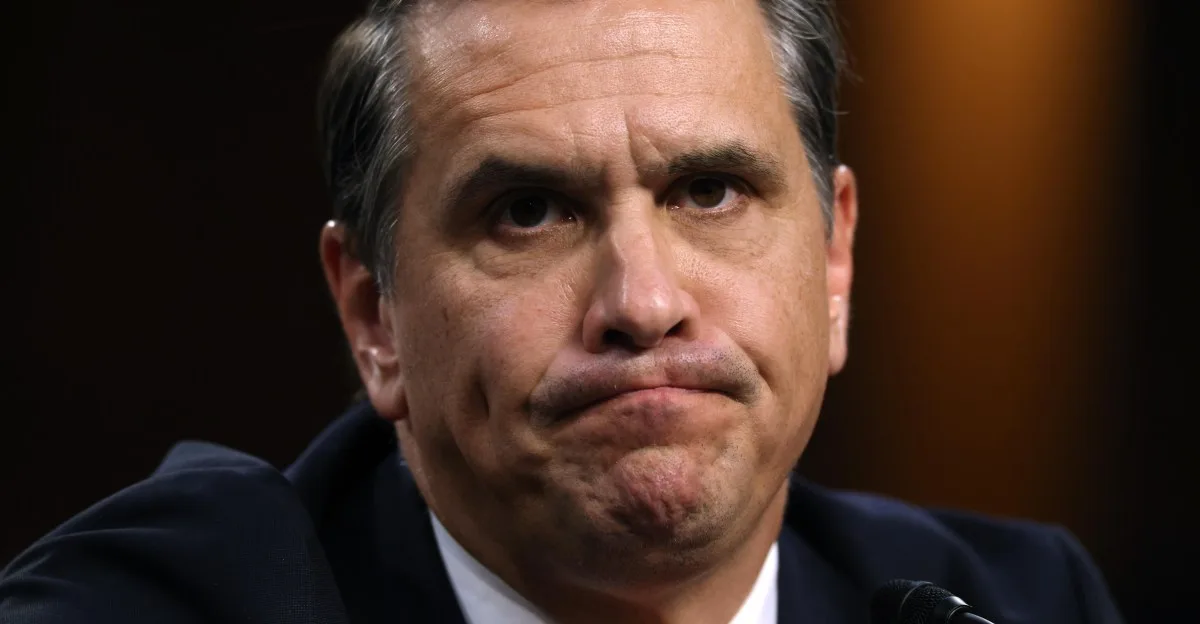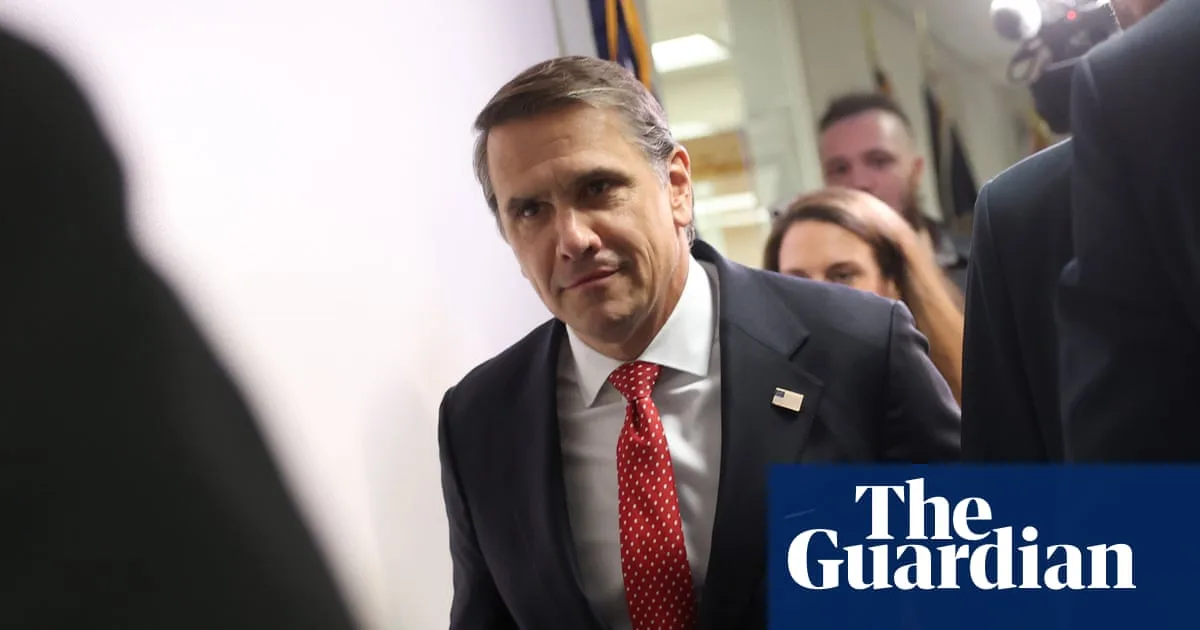
Todd Blanche, currently serving as the acting US Attorney General, was nominated by former President Donald Trump for the permanent role but is facing opposition from key Republican senators ahead of a confirmation vote [1, 2, 3]. Senators John Cornyn of Texas and Thom Tillis of North Carolina have expressed reservations or outright opposition to Blanche’s confirmation, with Cornyn demanding written confirmation that a previously planned $1.8 billion "anti-weaponisation" fund is definitively cancelled before he will support the nomination [1, 2, 3].
In May 2026, Blanche brokered a controversial settlement that shielded Trump and his family from future IRS audits and created the so-called anti-weaponisation fund worth $1.8 billion [2, 3]. The fund faced bipartisan criticism and was ruled illegal by a federal judge, leading Blanche to distance himself from it [2]. Despite this, Cornyn has said he has not received any writing addressing his concerns and stated, "I’m not prepared to vote yes. I haven’t seen a single piece of writing that is responsive to what I’ve requested" [2].
Due to opposition from Cornyn and Tillis, the planned Senate Judiciary Committee vote on Blanche’s confirmation was delayed or punted at the end of July 2026 [2, 3]. On July 29, Cornyn publicly announced his opposition and the need for clarity on the fund [1, 2]. The next day, Trump threatened to temporarily withdraw Blanche’s nomination if those senators continued to block it, saying he would re-nominate Blanche after both senators leave office. Trump called Blanche a "STAR" and said he has the potential to be "one of the Greatest Attorney Generals of All Time" [1].
Despite the stalled confirmation process, Blanche can remain acting Attorney General without Senate approval because he was previously a Senate-confirmed deputy attorney general [3].
The Senate Judiciary Committee has yet to reschedule a vote, leaving Blanche’s permanent appointment unresolved as opposition within the Republican Party persists [3].