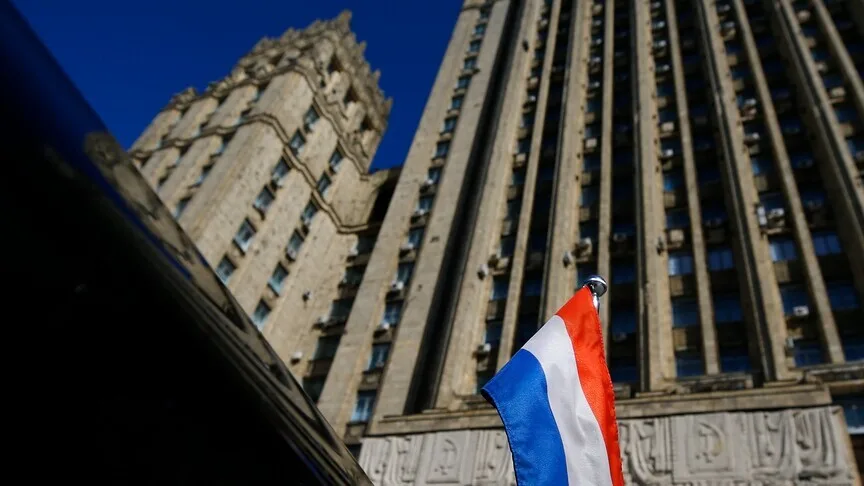
Russia announced on June 2 it would bar entry to five British nationals, including journalists and business figures, citing alleged hostile actions by the UK against Russia [1, 2, 3, 4]. The banned include Washington Post investigative correspondent Catherine Belton and i Paper investigative security correspondent Richard Holmes, both known for their reporting on Russia [1, 5, 6, 3, 4]. Other individuals banned are Alexander Browder, a policy think tank contributor; Alice Laugher, CEO of the humanitarian staffing firm Committed to Good; and Richard Westbury, chairman of Chelsea Group [1, 5, 6, 3, 4].
The Russian Foreign Ministry said the ban was a retaliation against what it called the "provocative anti-Russian rhetoric of British officials, the spread of insinuations about Russia, and London's practical steps to pump the Kyiv regime with weapons," a reference to UK military aid to Ukraine [1, 5, 6, 2, 3, 4]. Russia also warned it would continue expanding its blacklist of UK nationals in response to these alleged provocations and sanctions imposed by the UK [5, 2].
The UK Foreign Office condemned the ban as an attempt to "hide the truth about the war in Ukraine and to intimidate journalists and restrict the freedom of the press." It called Russia's decision "appalling" and "shocking," viewing it as targeting media freedom [7, 8].
Since Russia's 2014 annexation of Crimea, the UK has imposed sanctions and travel bans on Russian individuals. These measures expanded after Russia launched its full-scale invasion of Ukraine in 2022, prompting Moscow to reciprocate with similar bans and sanctions on UK nationals [1, 6, 3, 4].
On June 3, multiple news outlets reported on Russia's announcement and the UK government’s strong criticism of the move [1, 7, 8]. The Kremlin’s ban signals an escalation in the tit-for-tat restrictions between the two countries amid ongoing geopolitical tensions.
Russia’s travel ban against these five British nationals was published on its foreign ministry website on June 2. The list covers journalists with expertise on Russia and figures in policy and business, a sign Moscow is targeting those it sees as influential critics or adversaries. The UK government has not indicated any immediate reciprocal steps following the latest Russian ban.