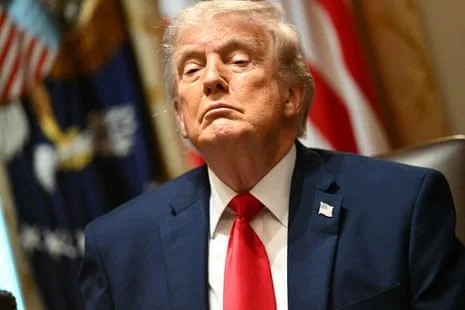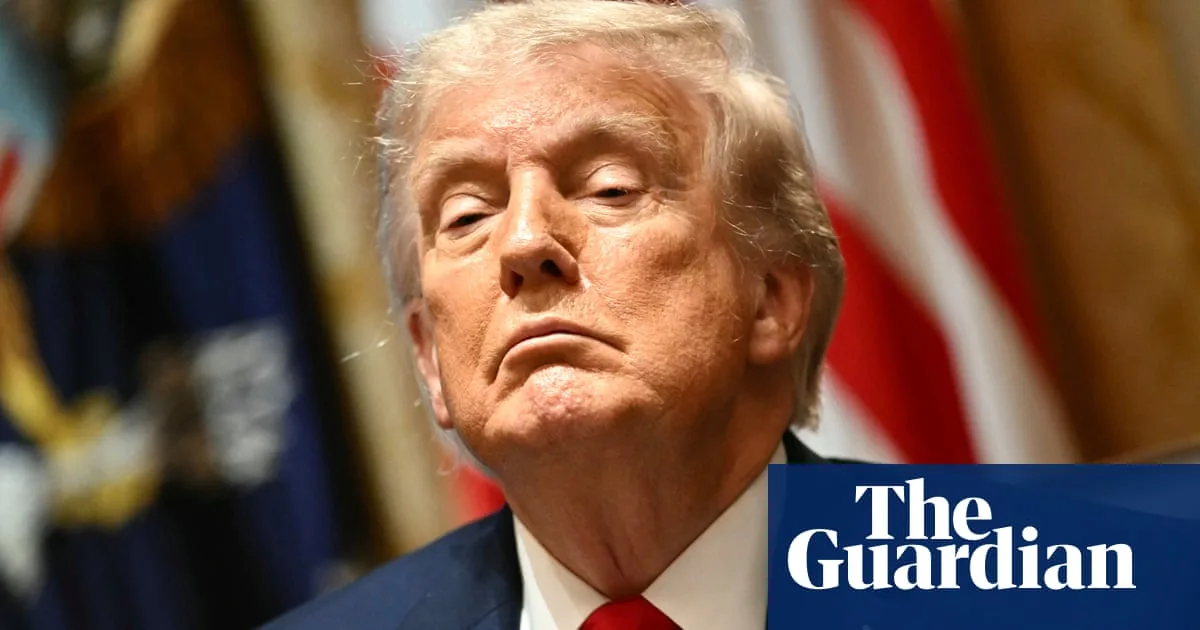
The Justice Department announced last month a $1.8 billion fund as part of a settlement resolving Donald Trump’s lawsuit against the IRS over leaked tax returns from 2019 and 2020 [1, 2, 3]. The fund was created after Trump dropped his $10 billion lawsuit against the IRS [2].
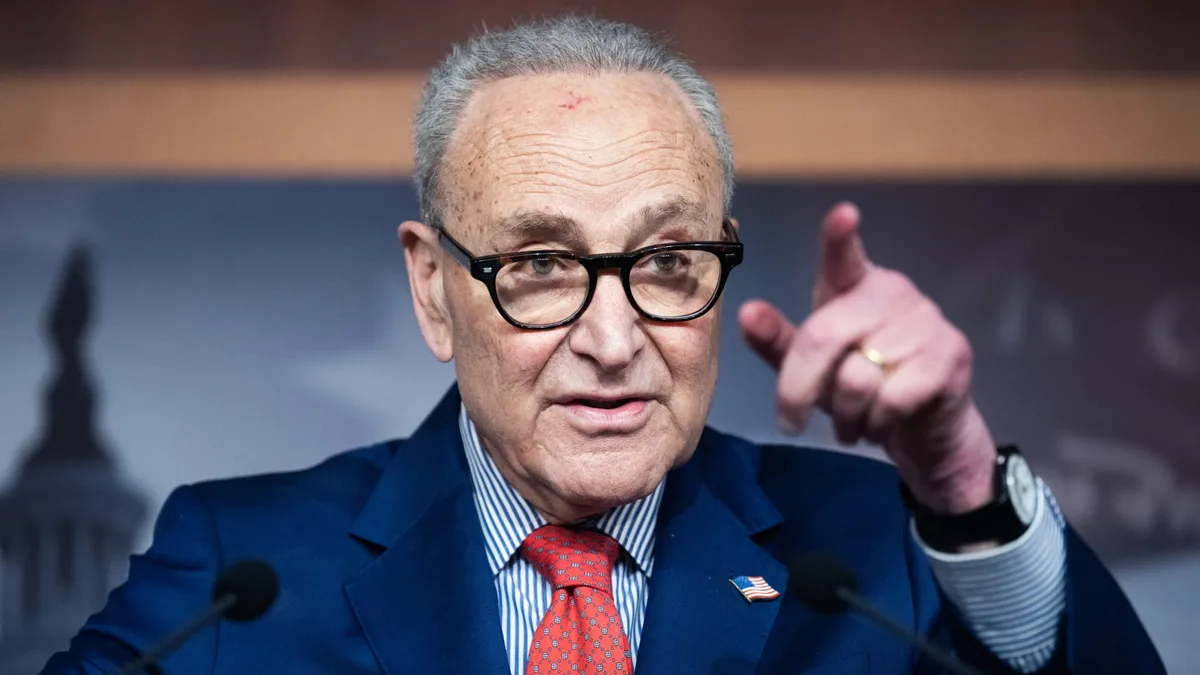
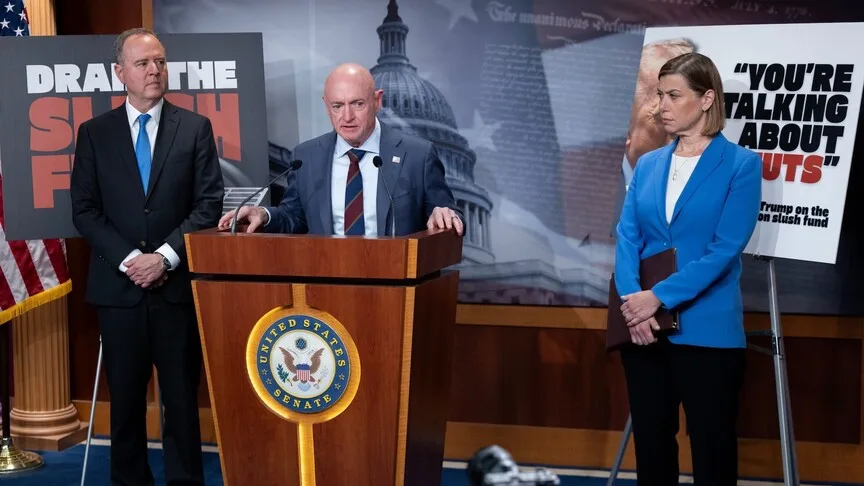
Senate Minority Leader Chuck Schumer described the fund as a "MAGA slush fund" aimed at compensating victims of politicized prosecutions, potentially including pardoned January 6 rioters [1, 2, 3]. Schumer said, "Trump’s nearly $2 billion MAGA slush fund is his most brazen act of self-dealing yet and one of the most corrupt schemes ever launched by a president." He vowed that Democrats would force Republican senators to hold votes to block or ban the fund, promising "no matter what Republicans do, we will force them to vote" [1, 2, 3].
US district judge Leonie Brinkema in Virginia temporarily blocked the administration from transferring money from the fund as of Friday, May 29, 2026 [1, 2]. The Justice Department said it will comply with the federal court ruling despite disagreeing with it [3].
The fund’s terms do not require disclosure of individual payments, raising concerns about transparency [1]. Some Republicans, including former Vice President Mike Pence, criticized the fund, calling compensations to January 6 rioters "deeply offensive" [1]. Pence stated, "The possibility of Capitol rioters who assaulted police officers and vandalized the US Capitol being compensated by the federal government is deeply offensive." Governors in California, Illinois, New York, and Connecticut have proposed taxes targeted at money received from the fund [1].
On June 1, Schumer reiterated Democrats’ commitment to block the fund, calling it "one of the most glaring cases of corruption in American history" and promising the fund will be "dead and cannot be revived" [3]. The ongoing court proceedings and Senate actions will determine whether any funds are eventually distributed.