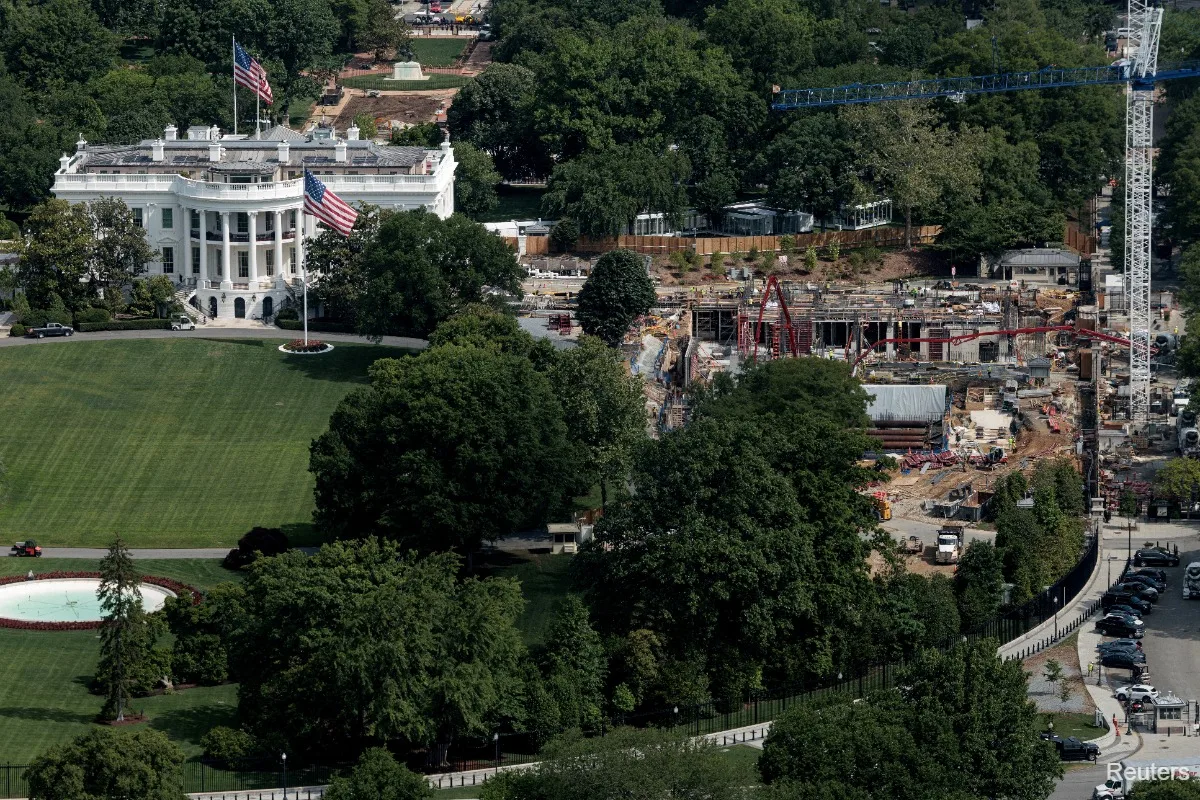
Senate Parliamentarian Elizabeth MacDonough ruled on May 16-17 that $1 billion in taxpayer funding requested for Secret Service security upgrades related to President Donald Trump’s planned White House East Wing ballroom cannot be included in the Senate budget reconciliation package [1, 2, 3, 4, 5, 6, 7, 8, 9]. The funding request included about $220 million specifically for ballroom-related security work, with the remainder allocated for broader Secret Service upgrades [6, 8].
Trump has said the ballroom’s $400 million construction cost will be covered by private donations, not taxpayer money [1, 2, 3, 5, 7]. Republicans, who hold a 53-47 Senate majority, tried to include the security funding as part of a $72 billion spending and immigration enforcement bill [1, 2, 3, 5, 6, 7, 8]. Democrats opposed the measure, calling the ballroom project an unnecessary luxury amid rising living costs and pledging to fight any effort to include its funding [1, 2, 3, 5, 7, 8].
MacDonough determined the provision violated the Byrd Rule governing reconciliation bills because it was extraneous to the bill’s core purpose and involved jurisdictional issues outside reconciliation parameters [6, 8, 9]. Republican Senator John Curtis expressed skepticism about the billion-dollar figure for taxpayer funds, saying, “If you’re asking me for a billion dollars, I have some really hard questions. You made that number up” [8].
The ballroom project is among the largest White House construction efforts in over 100 years, including underground facilities with advanced security measures like bulletproof glass and anti-drone defenses [4, 9]. Its budget has roughly doubled from about $200 million to nearly $400 million as the scope expanded [4]. Republicans have cited an attempted shooting at the April White House Correspondents Association dinner as justification for increased Secret Service security spending [6].
Democratic Senator Jeff Merkley said, "While we expect Republicans to change this bill to appease Trump, Democrats are prepared to challenge any change to this bill" [1, 3, 5, 7, 8]. Ryan Wrasse, a spokesperson for Senate Majority Leader John Thune, said Republicans plan to “Redraft. Refine. Resubmit. None of this is abnormal during a Byrd process” [6, 8].
On May 18, Republicans announced plans to revise the provision and resubmit it for parliamentarian approval to try to keep the funding in the reconciliation package [6, 8].