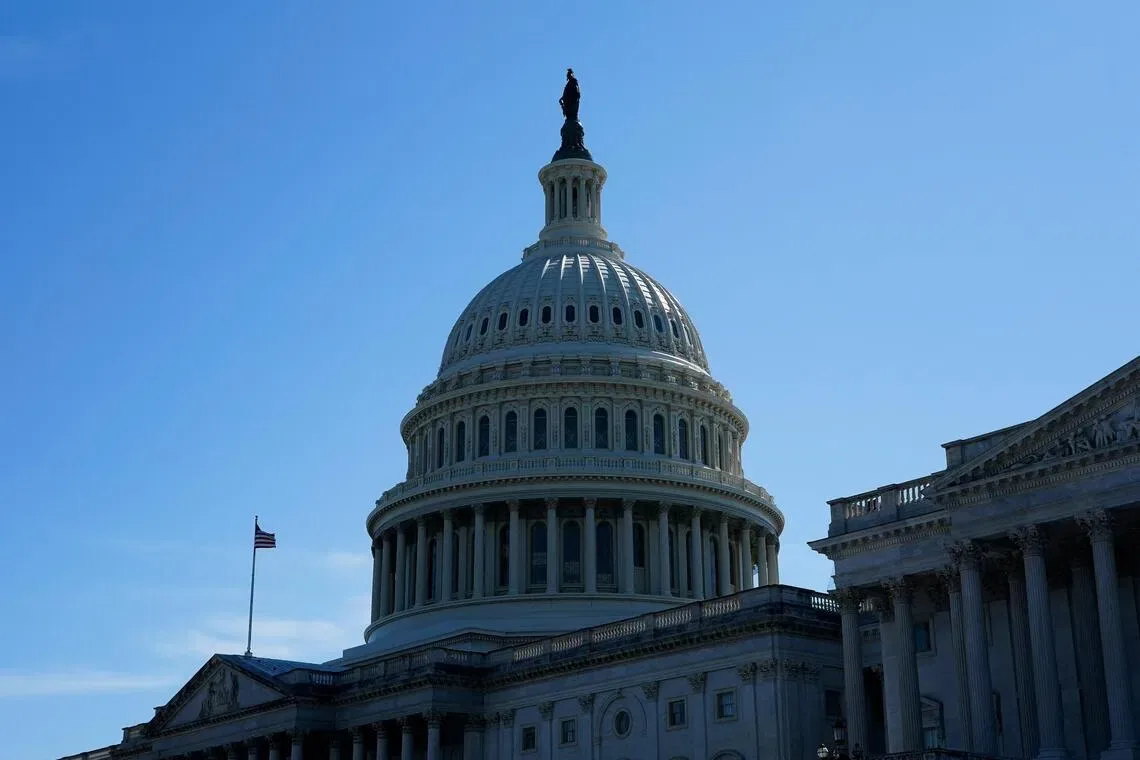
The US Senate voted 50-49 on May 13, 2026, not to advance a war powers resolution aimed at requiring congressional authorization for military action against Iran [1, 2, 3]. This marked the seventh time in 2026 that Senate Republicans have blocked similar efforts to rein in President Trump's authority on the Iran conflict [1, 2, 3].
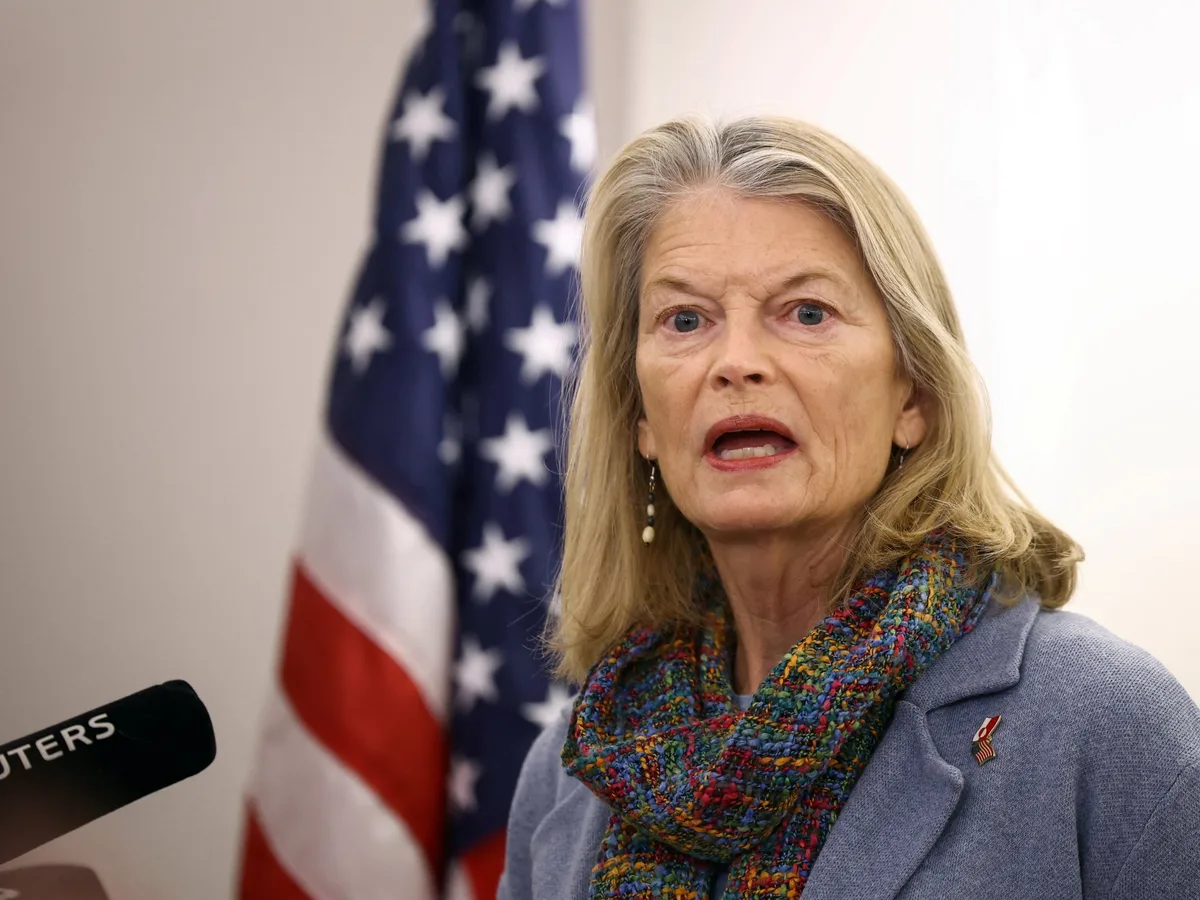
Three Republican Senators—Rand Paul, Susan Collins, and Lisa Murkowski—joined Democrats in supporting the resolution, while Democratic Senator John Fetterman sided with Republicans to block it [1, 2, 3]. The close vote reflected deep partisan divisions over the scope of the president's war powers.
President Trump declared a ceasefire on May 1, 2026, which he said terminated hostilities and thus suspended the 60-day limit under the 1973 War Powers Act on unauthorized military action [1, 2]. The War Powers Act requires the president to seek congressional authorization if military action lasts more than 60 days without approval [1, 2, 3].
Democrats sharply contested Trump's claim. "There's not a cessation of war hostilities," said Senator Jeff Merkley. "Both sides are still engaged in hostilities, and so I don't accept that the 60-day clock is suspended" [2]. Democrats argue that US and Iranian naval blockades and attacks are ongoing and that the War Powers Act timeline remains in effect [1, 2].
President Trump has not sought congressional authorization for the conflict at any point [3]. Democrats have pledged to reintroduce war powers resolutions on a weekly basis until the war ends or Trump seeks approval [1, 2, 3]. Senator Tim Kaine described the recent vote as a step toward ending the conflict. "My colleagues and I have been forcing votes to stop the war against Iran – and we're making progress," he said. "Today, our War Powers Resolution got 49 votes. My colleagues are hearing more and more from their constituents: end this costly and unnecessary war" [3].
With no resolution passed, the Senate remains divided on limiting the president's role. The next vote on a war powers resolution will occur as Democrats continue their push in the coming weeks [1, 2, 3].