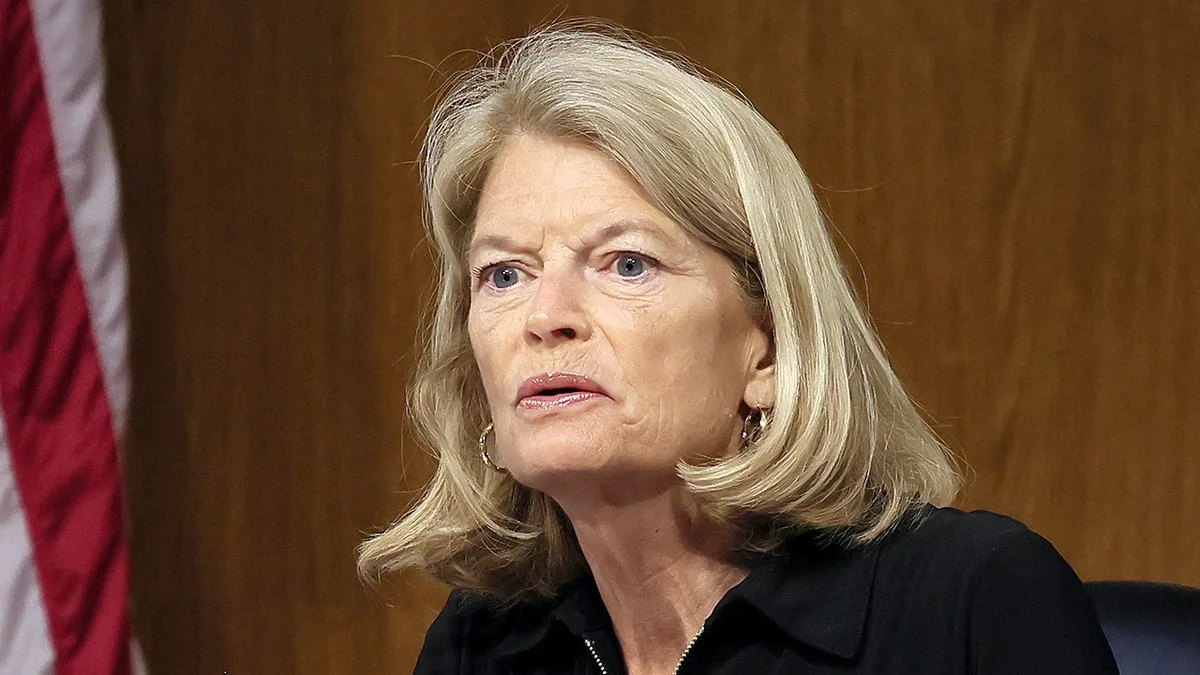
The U.S. Senate on May 13 narrowly rejected a war powers resolution to end American involvement in the Iran conflict by a 49-50 vote. Three Republican senators — Lisa Murkowski, Susan Collins, and Rand Paul — broke with GOP leadership to join Democrats in advancing the measure while Senator John Fetterman was the only Democrat opposing it. Republican Senator Pete Ricketts did not vote [1, 2, 3, 4].
The following day, the House of Representatives voted 212-212 to reject a similar Democratic resolution that sought to limit Trump's authority for continued military operations against Iran. A small group of Republicans including Thomas Massie, Brian Fitzpatrick, and Tom Barrett supported the resolution, but the majority opposed it amid a deadlock [5, 6, 7].
Both resolutions aimed to require congressional approval under the 1973 War Powers Act for continuing hostilities absent explicit authorization. Democrats insist that the ceasefire reached between the U.S. and Iran, effective April 8 through Pakistani mediation, does not override Congress’ oversight role. They pressed for renewed debate and a formal war authorization, noting that the ceasefire period should not halt legislative review [1, 5, 2, 7].
Republicans and the Trump administration countered that the ceasefire terminates hostilities, pausing the 60-day War Powers Act clock and rendering the deadlines moot. Senator Lisa Murkowski expressed reservations about limiting powers without clearer peace progress or administration goals, saying she would push for a formal Authorization for Use of Military Force if necessary [1, 3, 4]. President Trump, traveling in China on May 13, described the ceasefire as "on massive life support" and disparaged the Democratic resolution [1, 3].
Senate Majority Leader John Thune urged unity behind the president but acknowledged differing views on the issue [3]. Senate Democratic leader Chuck Schumer lamented Republican reluctance to hold Trump accountable, stating, "We gave Republicans yet another chance to vote with us... But they continue to bow a knee to Trump" [1]. In the House, Democratic Whip Katherine Clark framed ending the war as the fastest way to reduce costs and bring troops home [7]. Republican Representative Zach Nunn argued that restricting military options would weaken negotiations with Iran [7].
The conflict began on February 28 with U.S. and Israeli strikes against Iran prompting retaliation and regional escalation. The ceasefire brokered in early April temporarily paused the war powers clock, but Congress has yet to pass a formal Authorization for Use of Military Force related to Iran [2, 1, 3].
With both chambers rejecting the resolutions, no formal congressional limits have been placed on Trump's war powers regarding Iran. Lawmakers continue discussing legislation for a possible AUMF. Further debate is expected as the administration’s objectives and peace prospects evolve.