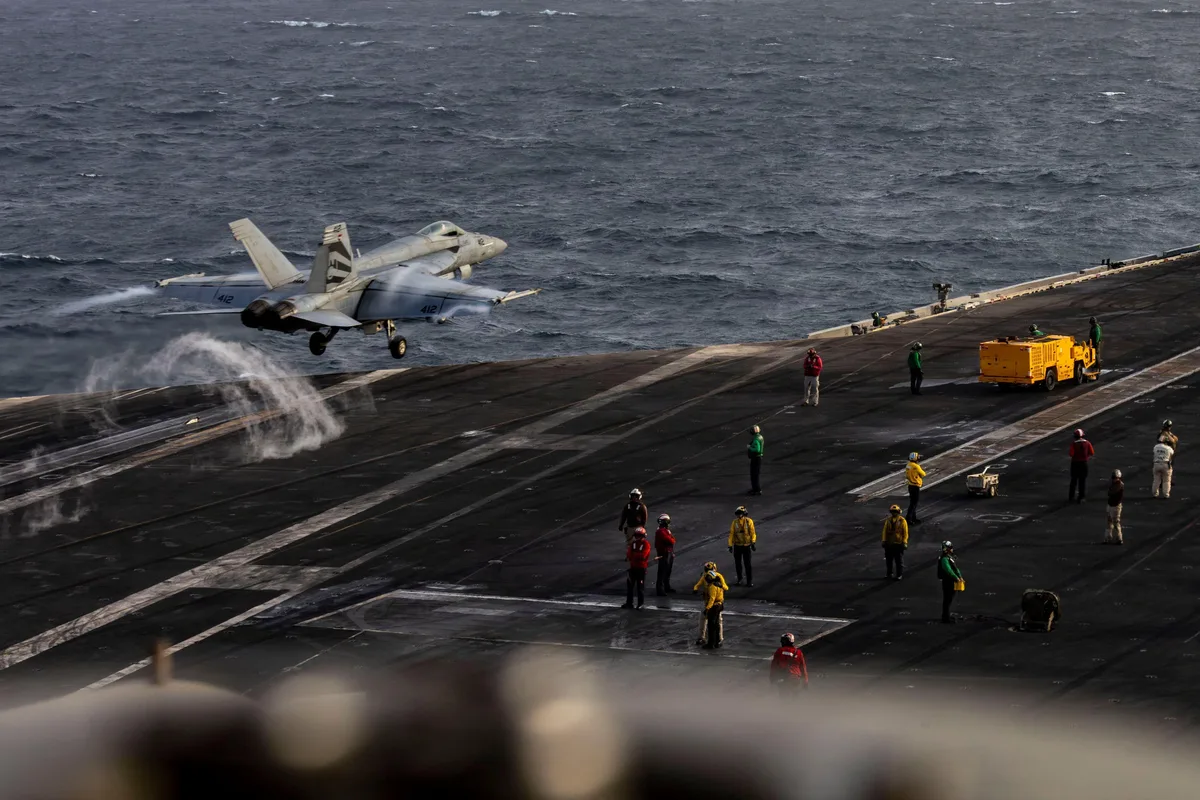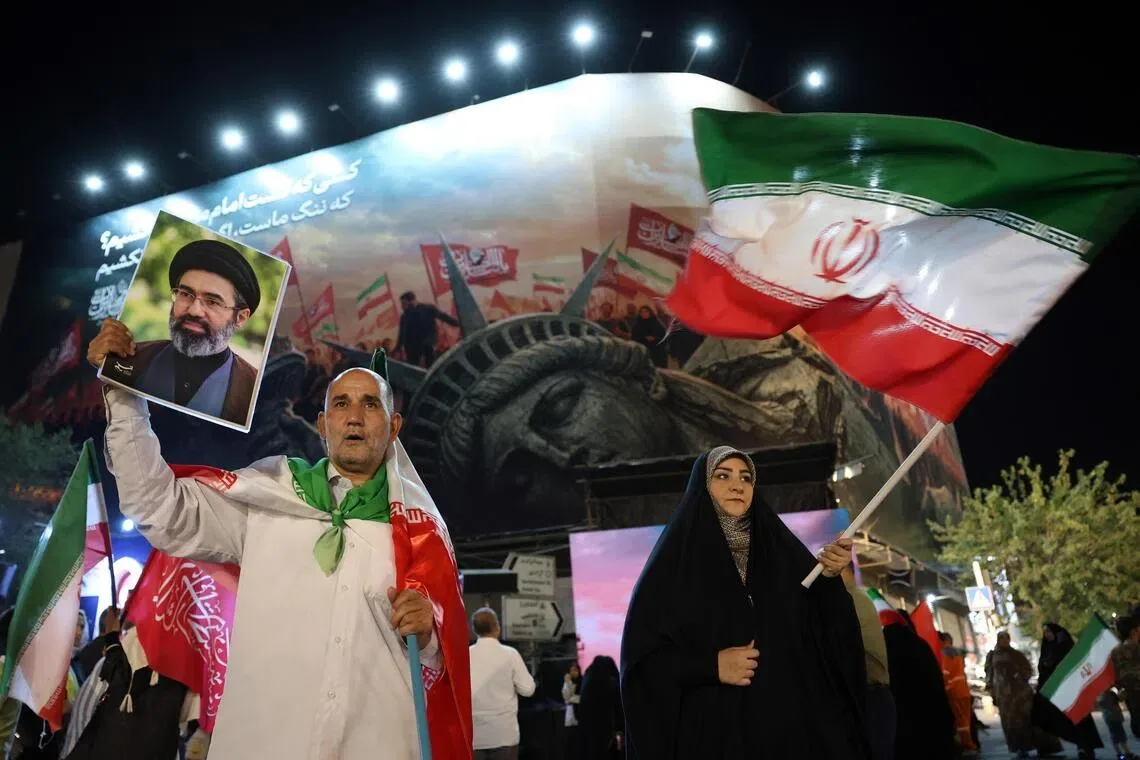
The US and Israel began missile strikes on Iran on February 28, 2026, killing Supreme Leader Ayatollah Ali Khamenei and several senior officials, marking the start of the current conflict [1, 2, 3]. Despite six months of intense fighting, neither side has achieved a decisive military victory, resulting in a costly stalemate [1, 4, 2, 5, 3].
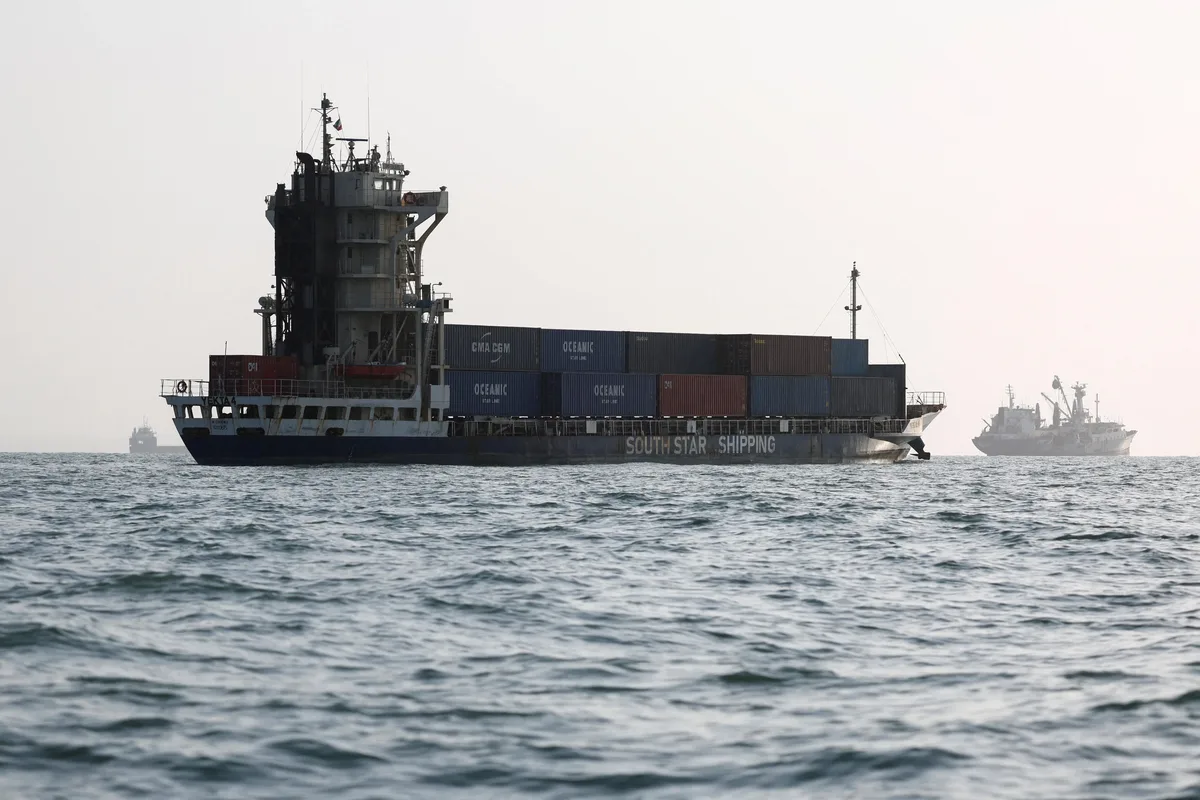
Washington has shifted from direct military action to focusing on economic pressure. On August 24, 2026, the US announced new sanctions aimed at cutting off Iran’s oil revenues, banks, and trading partners. A US-led naval blockade has restricted Iran’s oil exports through the strategic Strait of Hormuz, which carries about 20% of the world’s energy supplies [1, 4, 2, 5]. Although Iran still claims control over the waterway, its oil exports through the Strait have collapsed under US pressure [5].
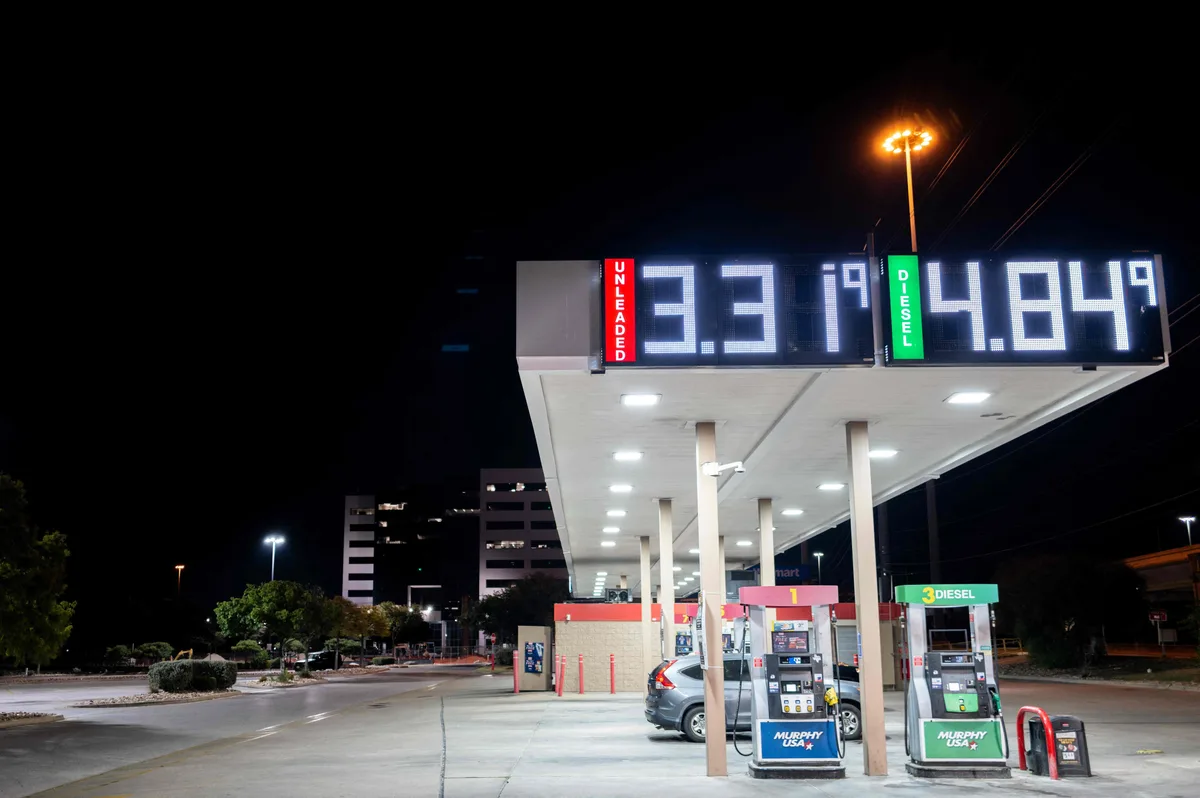
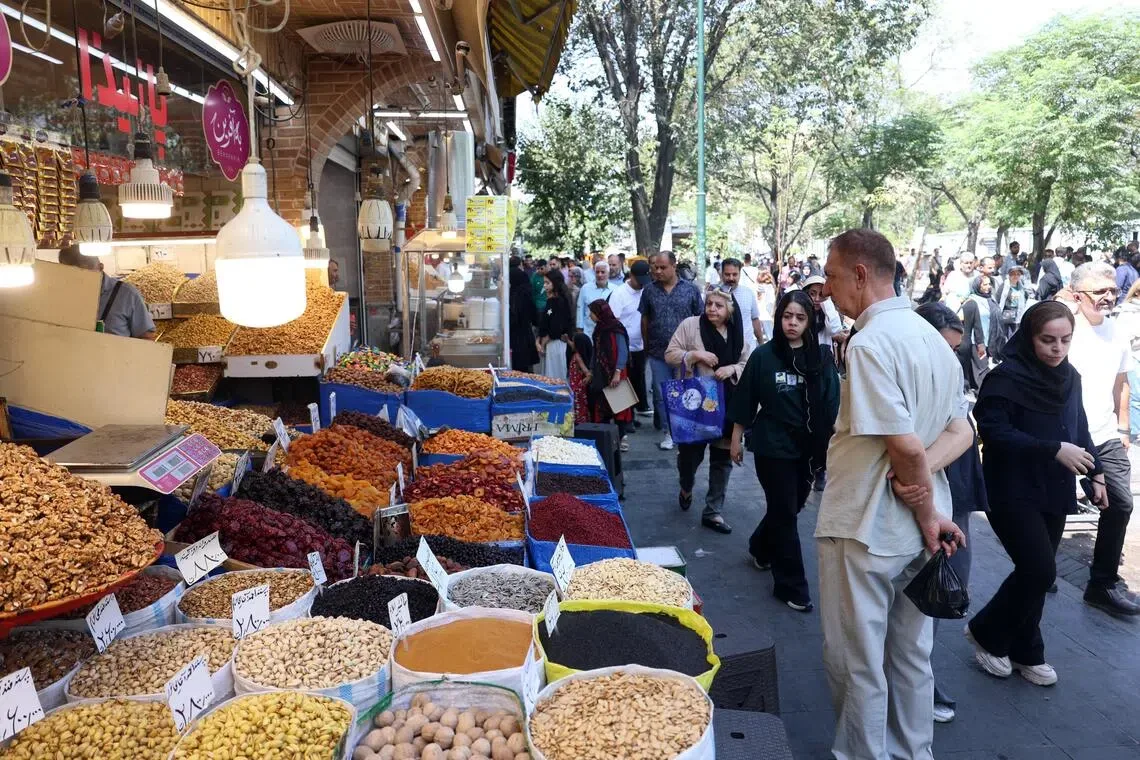
Iran’s economy remains under heavy siege but Tehran believes it can withstand the sanctions, having decades of experience adapting to similar maximum pressure campaigns without major behavioral changes [1, 2, 3]. The conflict has severely disrupted global energy markets and pushed fuel prices higher, undermining US political support at home. Former President Donald Trump’s approval rating has dropped from 40% to 33% since the conflict began, weakening his 2024 campaign promise to end wars and lower gas costs [4].
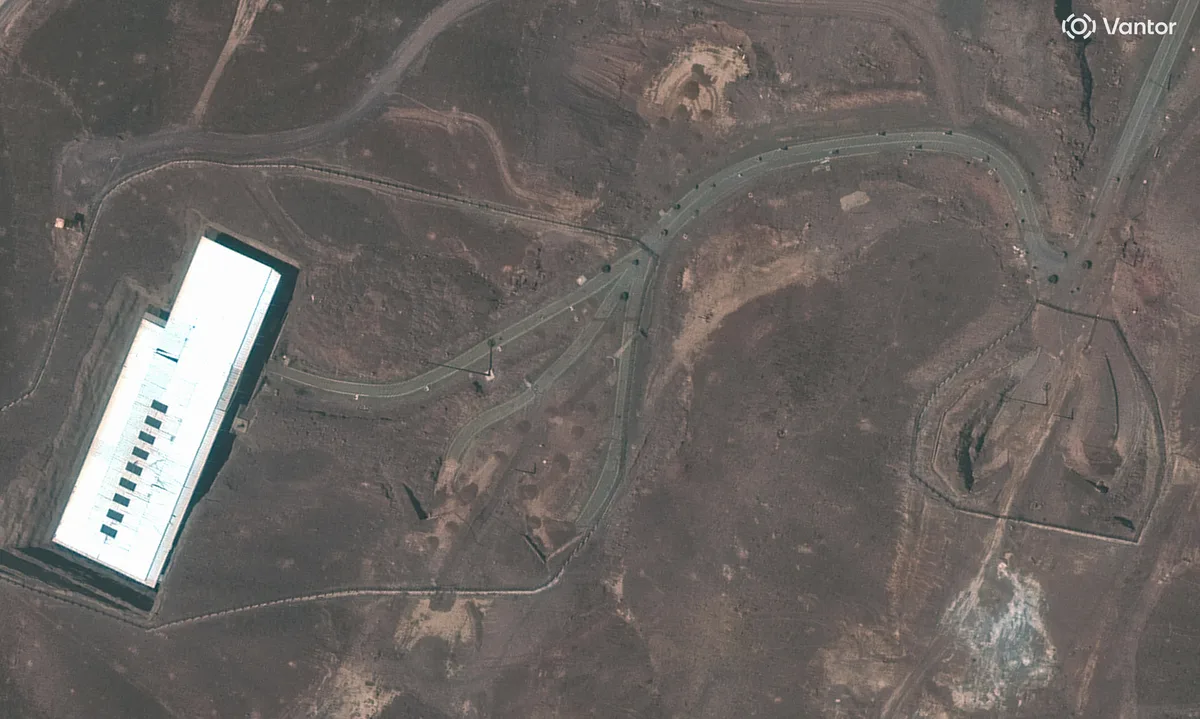
Repeated strikes have heavily damaged Iran’s nuclear facilities but Tehran continues its nuclear program. It still holds about 440 kg of highly enriched uranium [3]. The war has caused an estimated 8,000 to 10,000 deaths and tens of thousands of injuries, adding to the human cost of the stalemate [3].
Former US diplomat Aaron David Miller characterized the US approach as desperate and stalled. He said, "The administration is groping in a sort of desperate fashion to try to find a pathway out of this," and described the situation as "Desperation Day," with no clear exit strategy [1, 2].
While some analysts contest the effectiveness of the US strategy, arguing economic pressure is tightening its grip on Iran’s leverage over the Strait of Hormuz, others define the current state as an entrenched stalemate [1, 4, 2, 5].
The conflict continues with no resolution in sight as of August 28, 2026, six months after it began. The new sanctions and naval blockade announced on August 24 remain key elements of Washington’s campaign against Iran [1, 2].