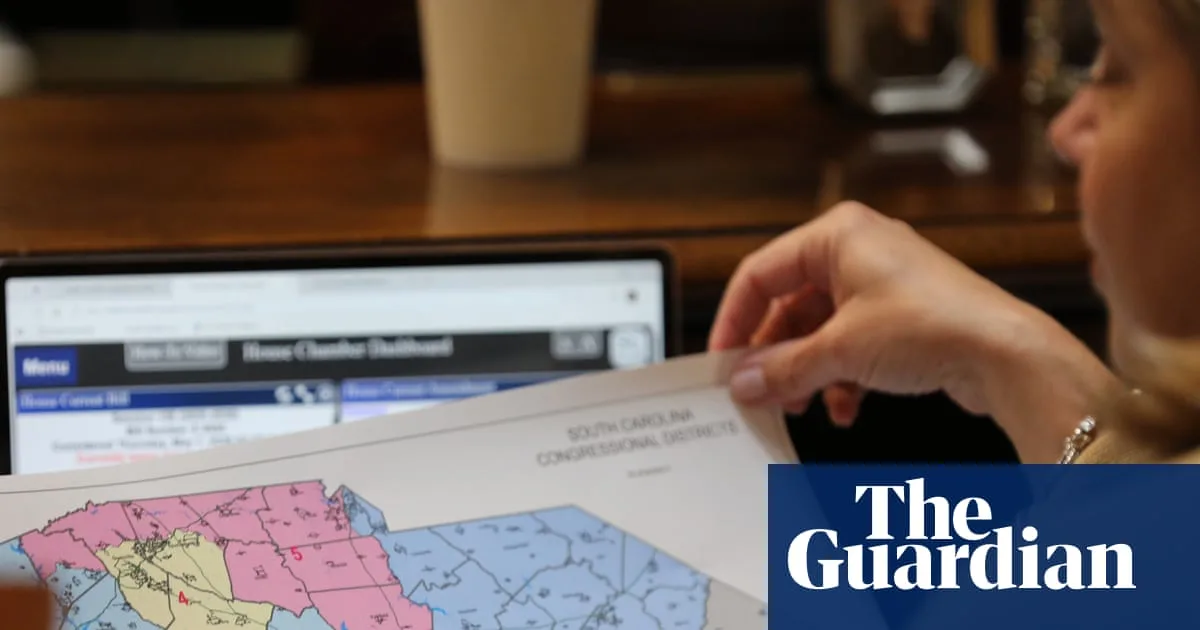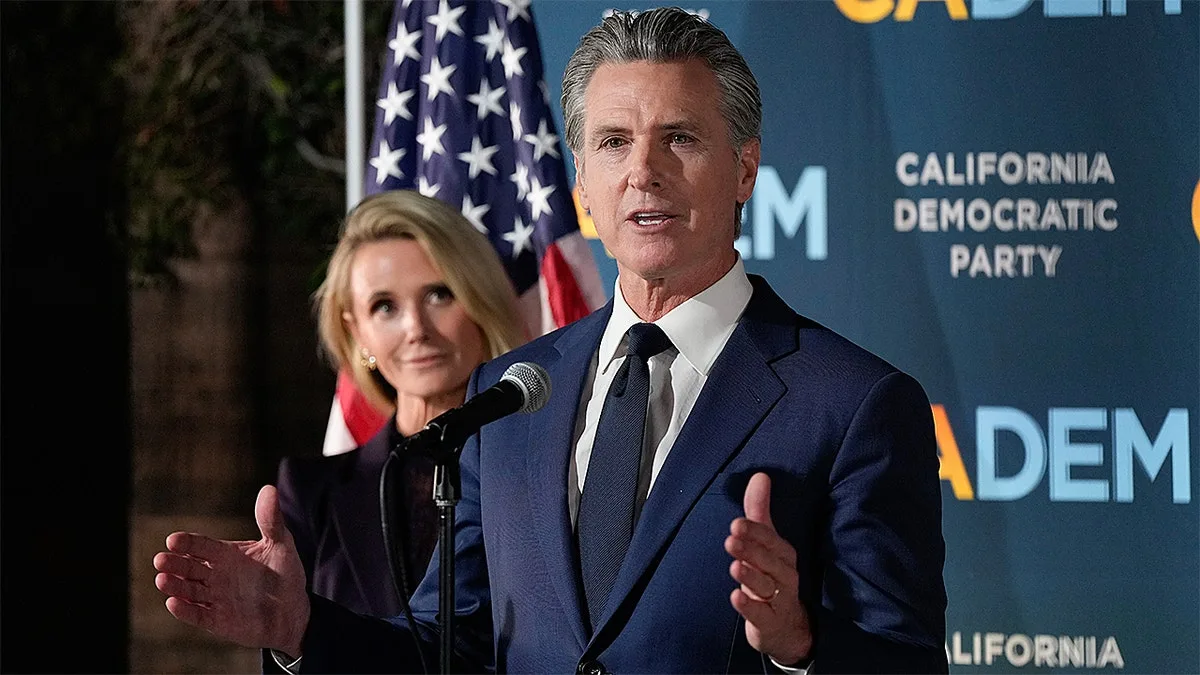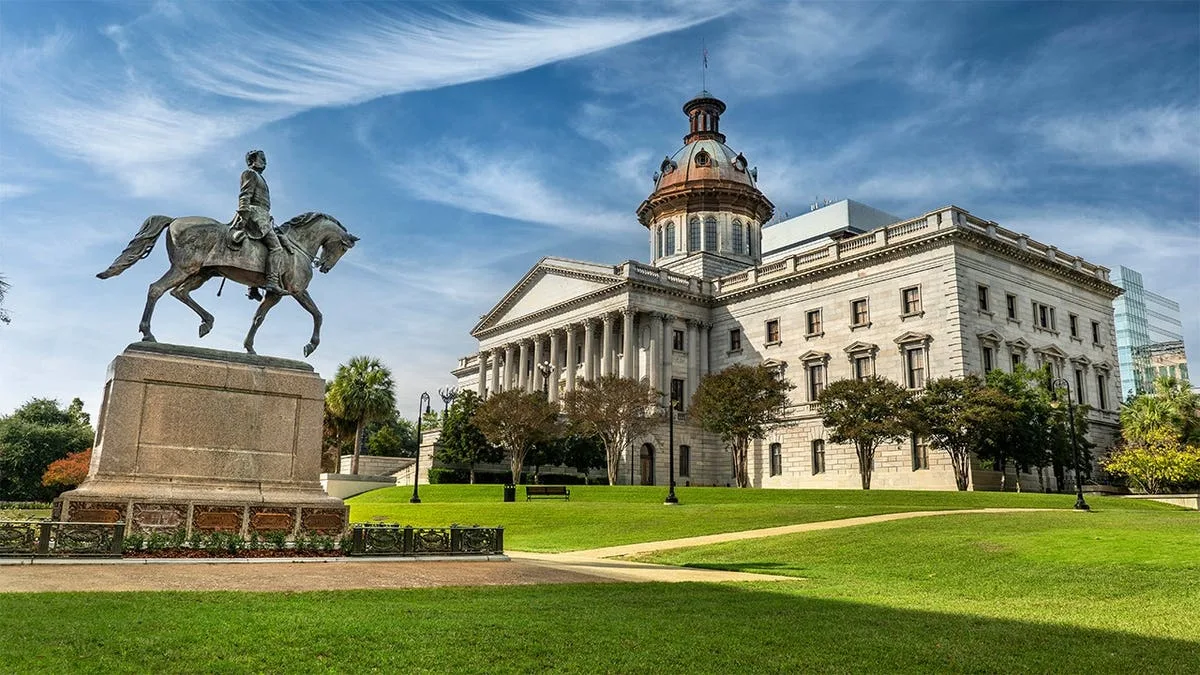
South Carolina’s state senate voted 29-17 on May 12 to block a redistricting proposal aimed at dismantling the state’s only Democratic, Black-majority congressional district held by Rep. James Clyburn [1, 2]. The vote fell two short of the two-thirds majority needed for passage [1, 2].
The plan, supported by former President Donald Trump, sought to redraw the state’s seven congressional districts to weaken the lone Democrat-held seat amid a current landscape of six Republican-held districts [1, 3, 2]. Trump had urged South Carolina Republicans on social media the previous Monday evening to approve the plan and move state primaries to August to aid the effort [1, 2].
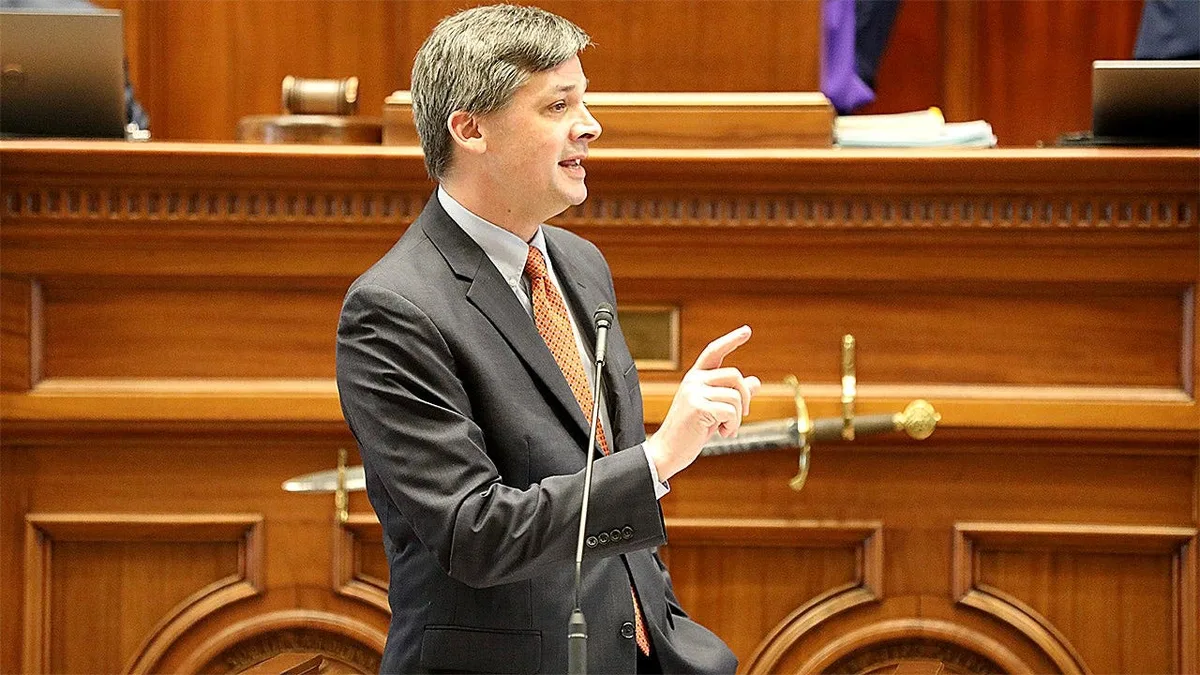
Five Republican senators joined with all Democrats in voting against the map [1, 2]. Republican Senate Majority Leader Shane Massey was a prominent opponent, delivering a 45-minute speech on May 12 explaining his opposition despite pressure from Trump and other party leaders [1, 3]. Massey said, “South Carolina has always punched above their weight. Doing this will diminish that influence” and acknowledged expecting personal criticism, including from Trump, but said, “I’m comfortable with that” [1].
Massey also described a recent private conversation with Trump, saying, “I had never had the privilege of speaking with the president of the United States until last week. And it really was—it was a privilege. I enjoyed the conversation.” He added, “The president told me, he said: ‘Look, I hope you can help us out.’ He said: ‘But I understand you got to do what you’re comfortable with, you got to do what you think is right’” [3].
The Supreme Court’s recent ruling weakened protections from the 1965 Voting Rights Act, removing federal oversight of changes that might discriminate against minority voters. This has emboldened some southern states like Tennessee, Alabama, and Louisiana to redraw maps to eliminate Democratic districts [1, 2]. Louisiana recently postponed its state primaries amid similar redistricting disputes, while Tennessee moved forward on plans to erase a Democrat-controlled seat [1, 2].
Responding to the vote, Rep. Clyburn expressed confidence in his reelection chances, saying, “I don’t know why people think I could not get re-elected if they redistrict South Carolina... I will be running on my record and America’s promise” [2].
South Carolina retains its current seven congressional districts, six held by Republicans and one by Clyburn [1, 3, 2]. The state senate’s rejection of the redistricting proposal leaves the map unchanged for now. Future efforts to redraw district boundaries will likely continue amid ongoing political battles.