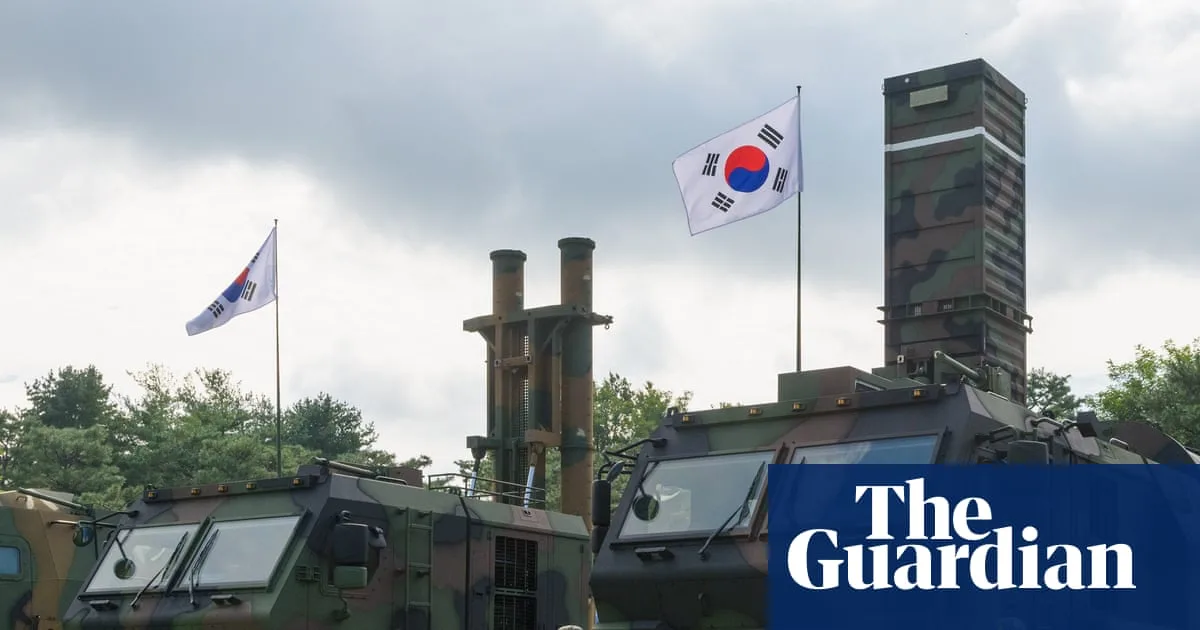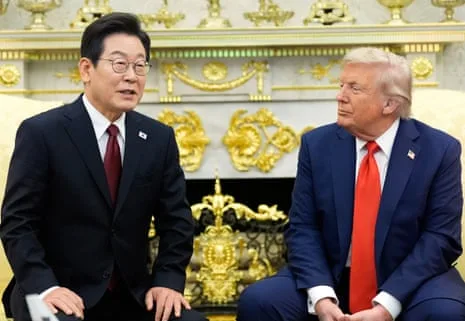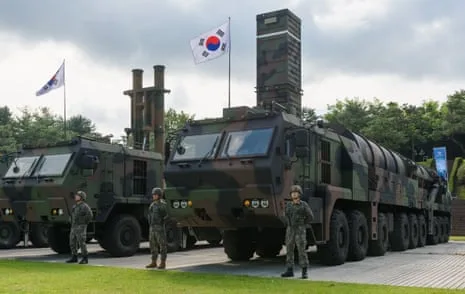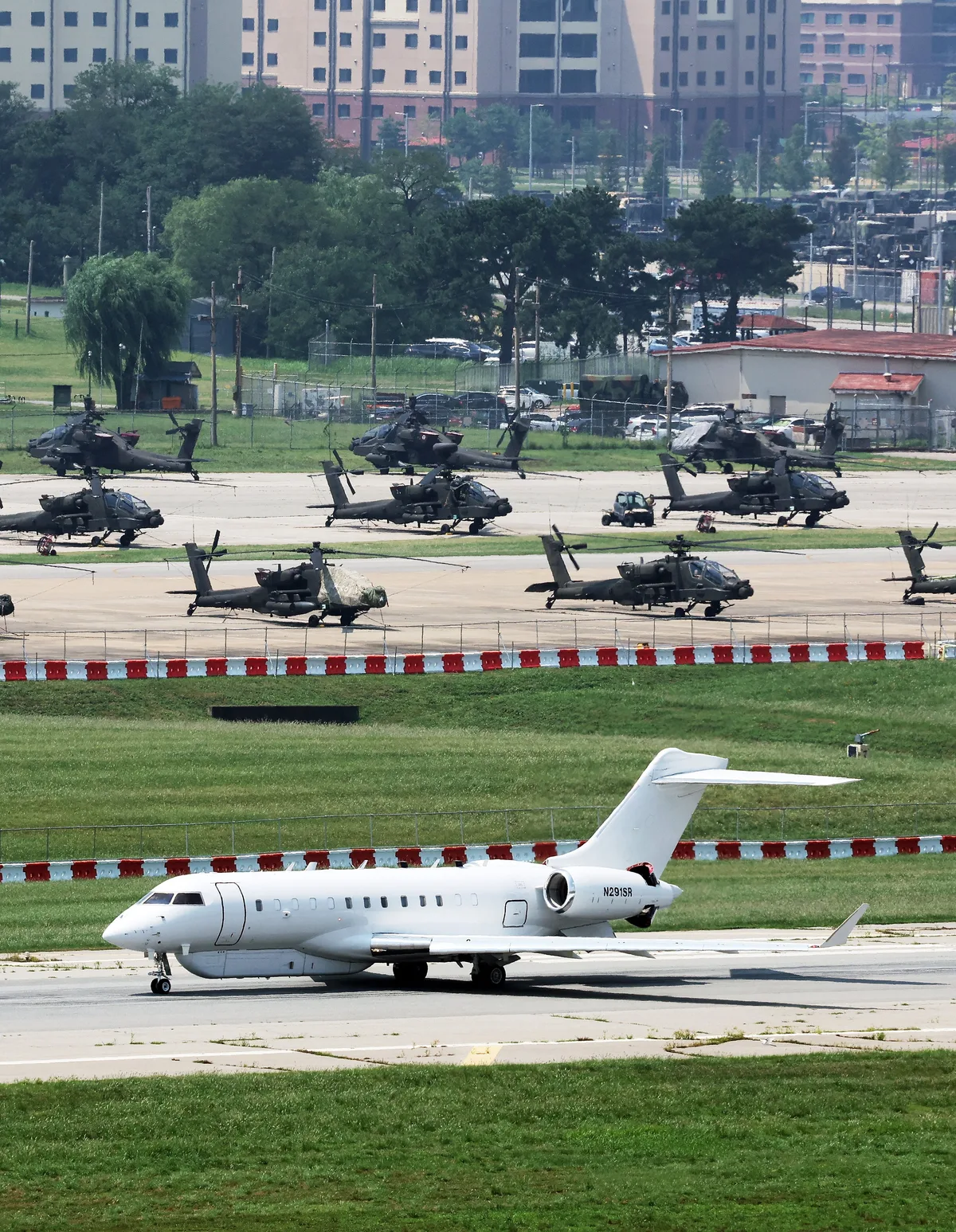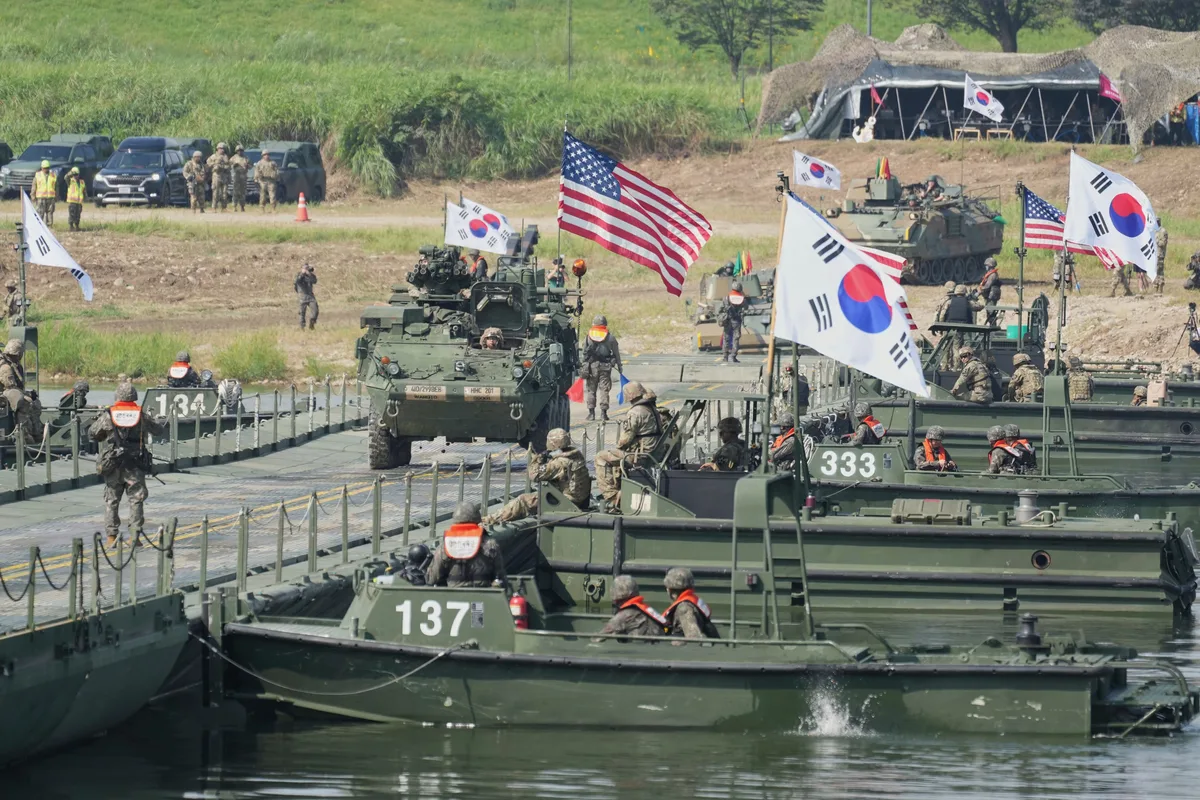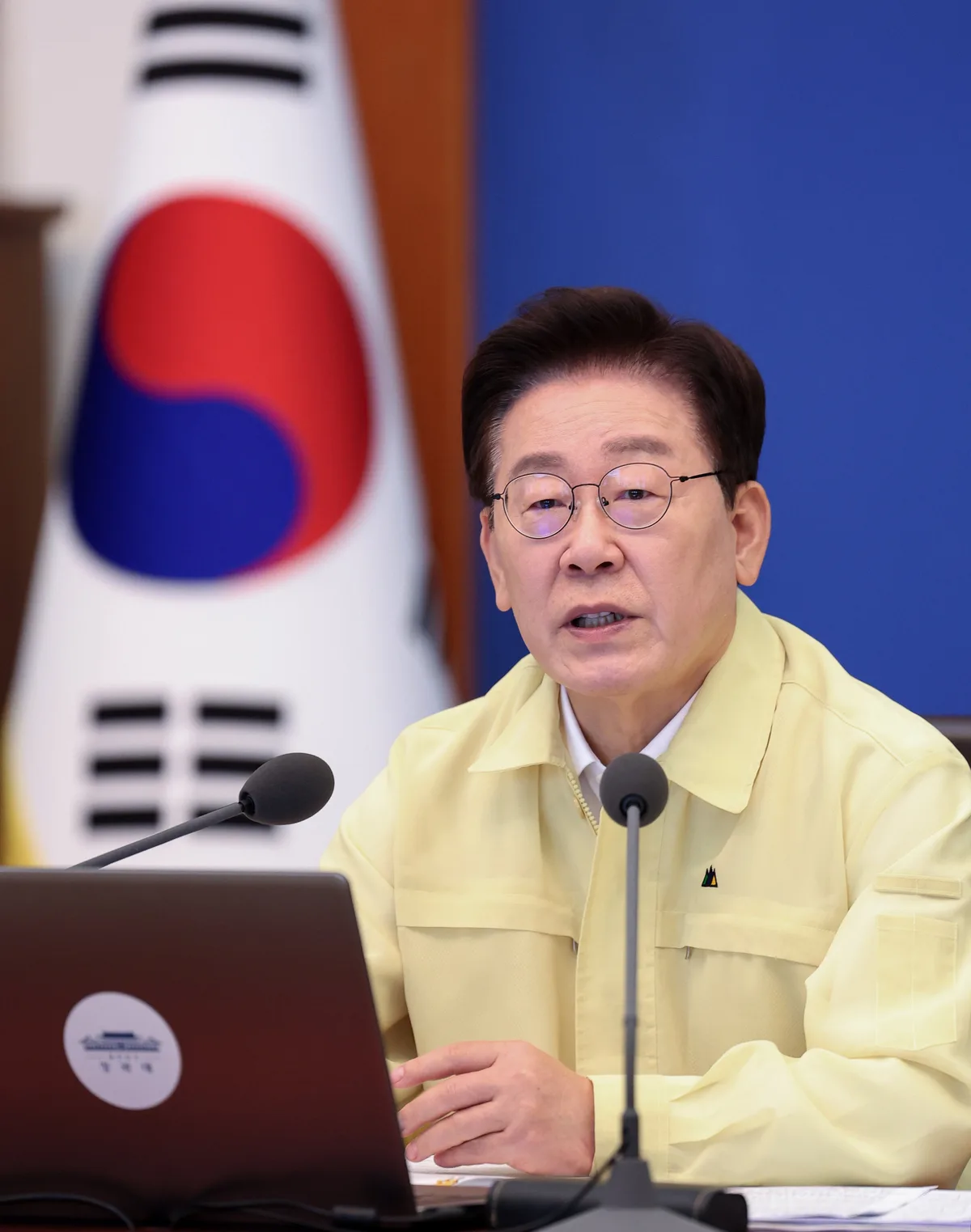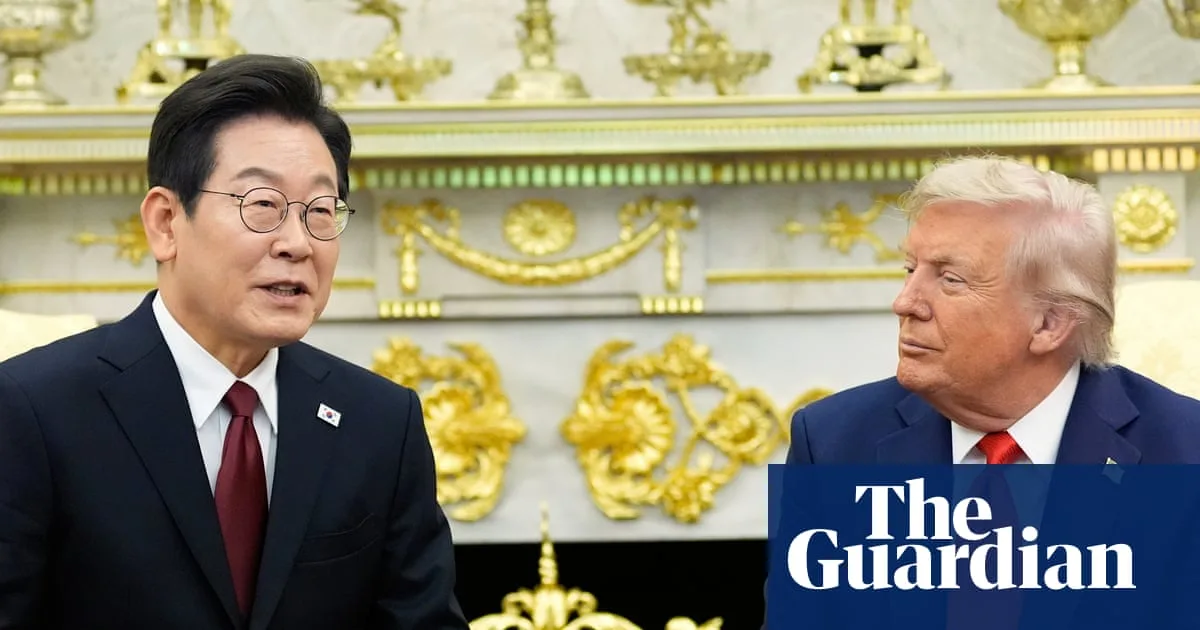
South Korean President Lee Jae Myung reaffirmed his goal to regain wartime operational control (OPCON) of South Korean forces from the US by 2030 during a cabinet meeting on August 18, 2026 [1, 2, 3, 4]. The status quo has the US-led United Nations Command controlling OPCON since the Korean War, with South Korea holding peacetime command since 1994 [1, 2, 3].
The announcement followed President Donald Trump's order to the Pentagon to substantially reduce the Ulchi Freedom Shield joint military exercises originally planned for 10 days starting August 17, 2026 [1, 5, 4]. The exercises were cut short, ending early on August 21, marking a rare mid-exercise scale-back in the joint drills [5].
Trump described the exercises as "totally inappropriate and hostile" toward North Korea, citing his "very good relationship with Kim Jong-un" and calling the drills costly with much of the expense borne by the US [4]. South Korean National Security Advisor Wi Sung-lac expressed hope that US-North Korea rapport would lead to meaningful dialogue [4].
Lee emphasized that “a strong alliance makes the foundation of security stronger, and strengthening our own capabilities increases our value and necessity as an ally” [1]. He urged accelerating the development of South Korea’s nuclear-powered submarine program and integrating the country’s three military academies to bolster independent defense capabilities alongside the US alliance [1, 2, 3, 4].
South Korea is ranked by some analysts among the world’s top five military powers and as a leading defense industry player [6]. However, opposition conservative parties and media criticized the US drill cuts as weakening deterrence and causing a “security disaster,” accusing the administration of sidelining South Korea’s security needs [7]. Some progressive outlets opposed the unilateral nature of Trump’s announcement but did not object to reducing the scale of the drills themselves [7].
Analysts attribute the reduced drills partly to Trump’s frustration with South Korea’s slow trade cooperation, seeing it as pressure to encourage diplomacy with North Korea [8]. The Ulchi Freedom Shield exercises are an annual powerhouse showcase of US and South Korean military readiness meant to deter North Korean aggression [1, 5].
The next major benchmark will be the full transfer of wartime operational control to South Korea scheduled for 2030, as Lee continues to push military reforms alongside the evolving US alliance framework [1, 2, 3].