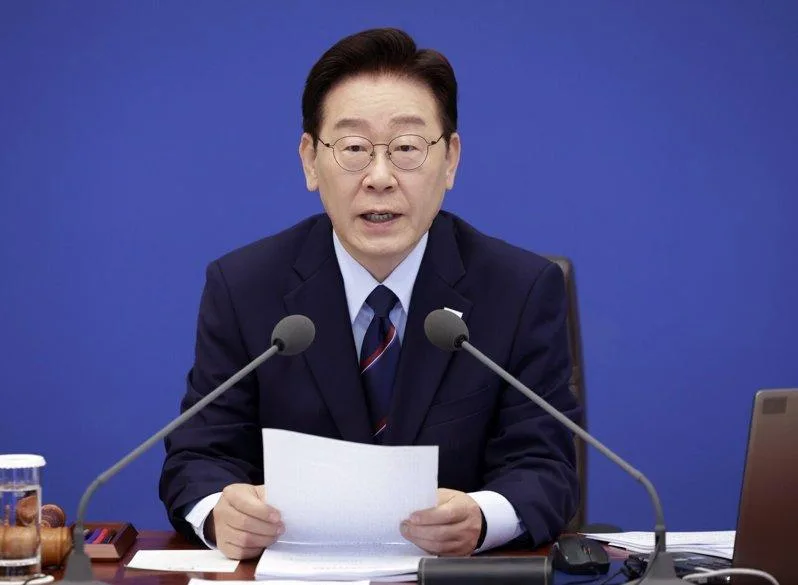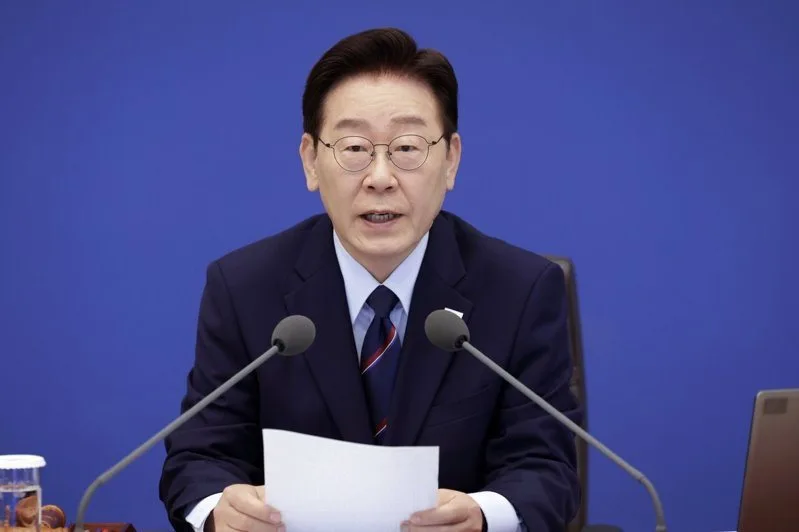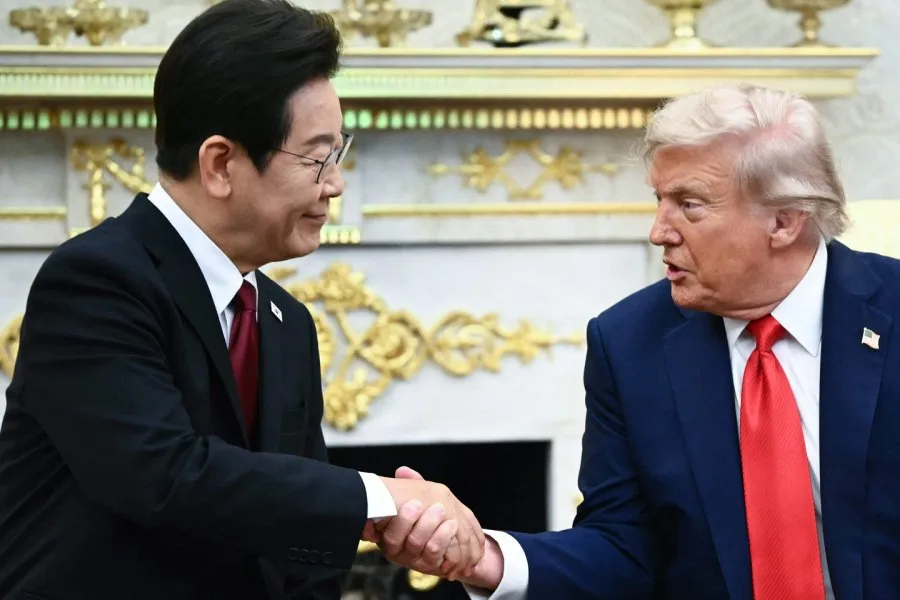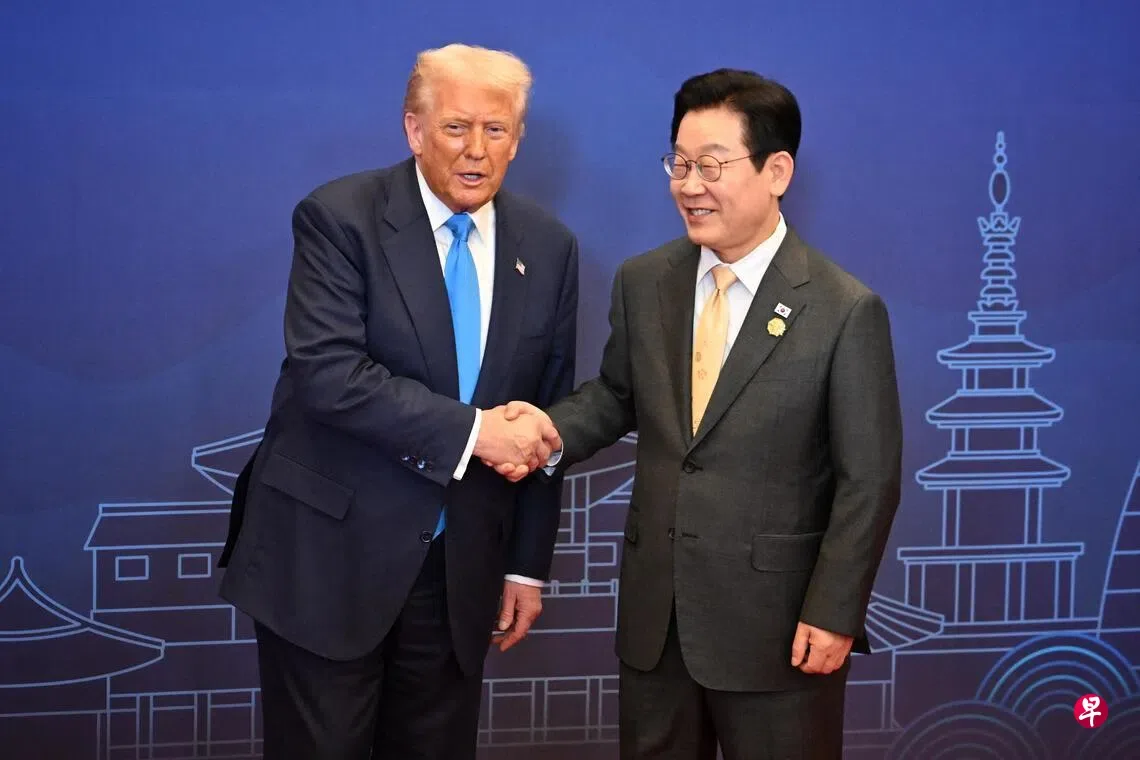
South Korean President Lee Jae Myung and US President Donald Trump spoke by phone on May 17 to discuss the recent US-China summit outcomes, Korean Peninsula peace, and bilateral cooperation. The call lasted about 30 minutes and was initiated at South Korea’s request [1, 2, 3, 4, 5].
During the conversation, the leaders focused on US-China relations, economic and trade agreements, security on the Korean Peninsula, and the Middle East situation [6, 1, 4, 5]. Lee congratulated Trump on the successful conclusion of his state visit to China from May 13-15, praising the maintenance of stable US-China relations as beneficial for peace and prosperity across the Indo-Pacific region and worldwide. Lee said, "美中維護好雙邊關係有利於實現印太地區乃至全世界的和平繁榮" [1, 2, 4, 5].
Trump shared details from his meetings with Chinese President Xi Jinping during the China visit, covering trade, geopolitical issues like the US-Israel conflict with Iran, and regional stability [6, 1, 3, 4]. The two leaders viewed US-China discussions on the Korean Peninsula as constructive. Trump pledged "將在韓美緊密合作的基礎上,為朝鮮半島的和平與穩定發揮必要的角色並做出貢獻" in supporting peace and stability on the peninsula, emphasizing close US-South Korea cooperation [6, 1, 4, 5].
The call also addressed implementation of last year’s bilateral trade agreement known as the “Joint Fact Sheet.” Topics included progress on tariff negotiations, US investment in South Korea, expanded South Korean authority over uranium enrichment and spent nuclear fuel treatment, and South Korea’s plans for nuclear-powered submarines [1, 2, 3, 4, 5].
The discussion touched on the Middle East, with Lee expressing hope for immediate peace and stability amid ongoing conflicts [6, 1, 4, 5]. South Korean think tank INSS reported China is expanding its role on the Korean Peninsula following the US-China summit, acting as a messenger between the US and North Korea, though direct US-North Korea dialogue has not resumed [7]. Trump mentioned North Korean leader Kim Jong Un holds a favorable view of him and would notify Lee if a meeting is arranged [4, 5].
There are differing reports on the emphasis of the Korean Peninsula issue at the US-China summit. Some sources state it was constructively discussed, while others note US official statements excluded it from focus [6, 1, 4, 5]. Trump’s discussions in China reportedly included Taiwan military sales as a negotiable item in US-China relations, raising concerns among US allies including South Korea and Japan [5].
This was the second direct conversation between Lee and Trump since Lee took office in June 2025 and their first since their face-to-face summit in South Korea last October [3, 4, 5]. The leaders continue to maintain communication aimed at regional peace and enhancing bilateral ties.
The next scheduled engagement between the two leaders or updates on US-North Korea dialogue have not been announced.