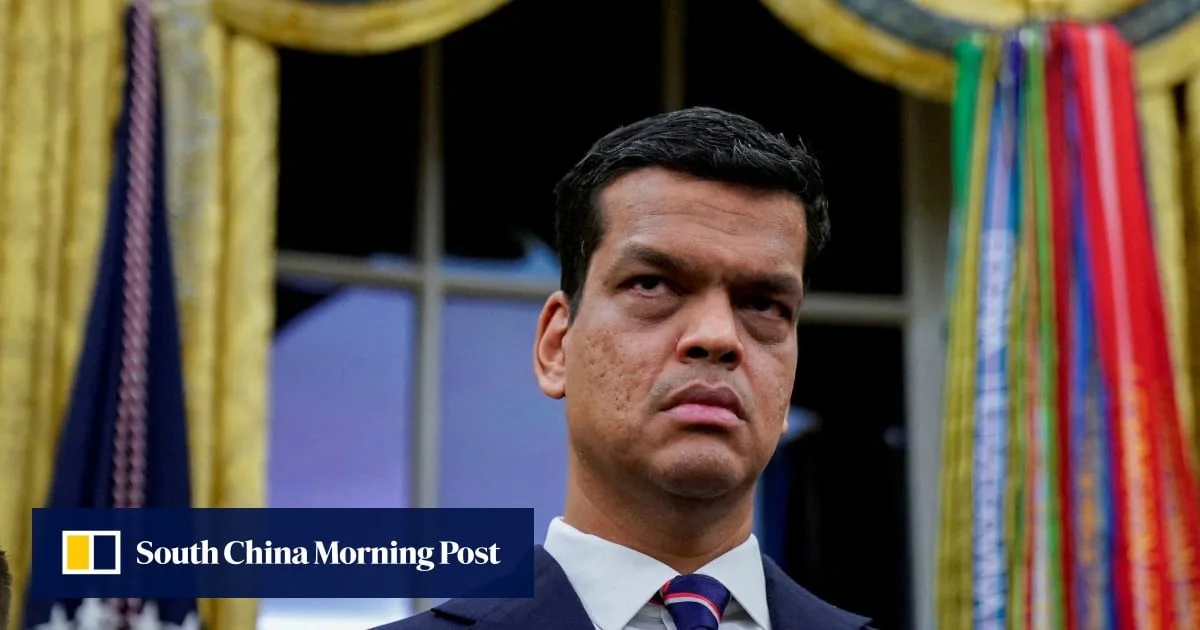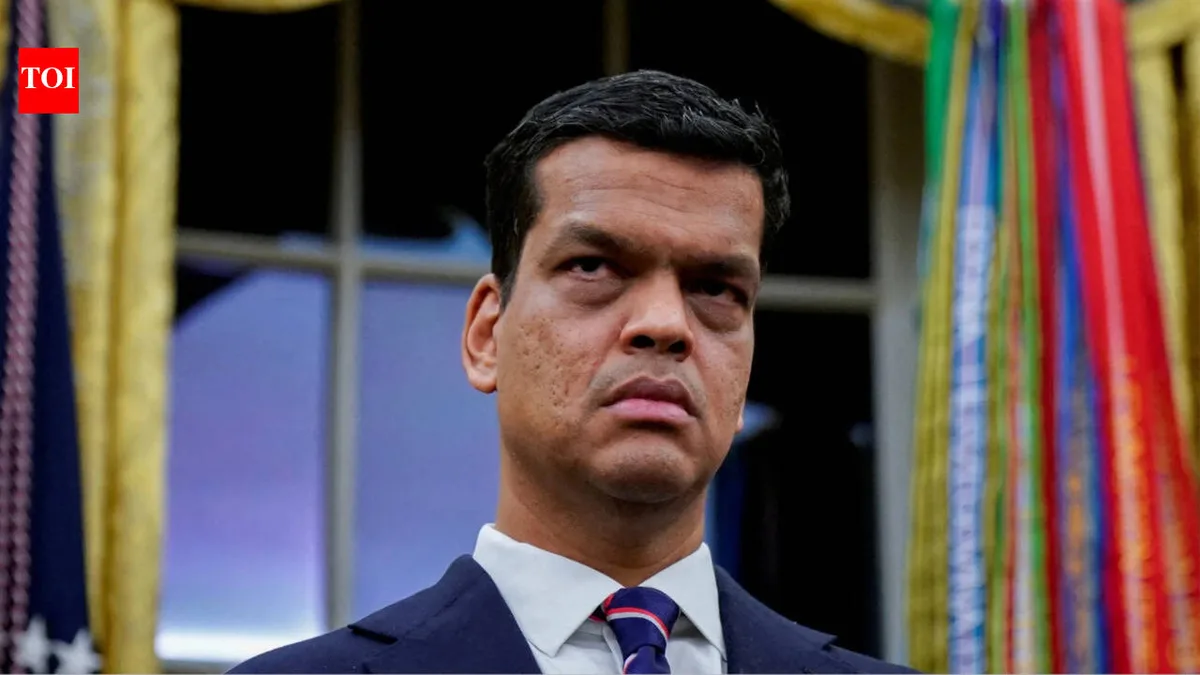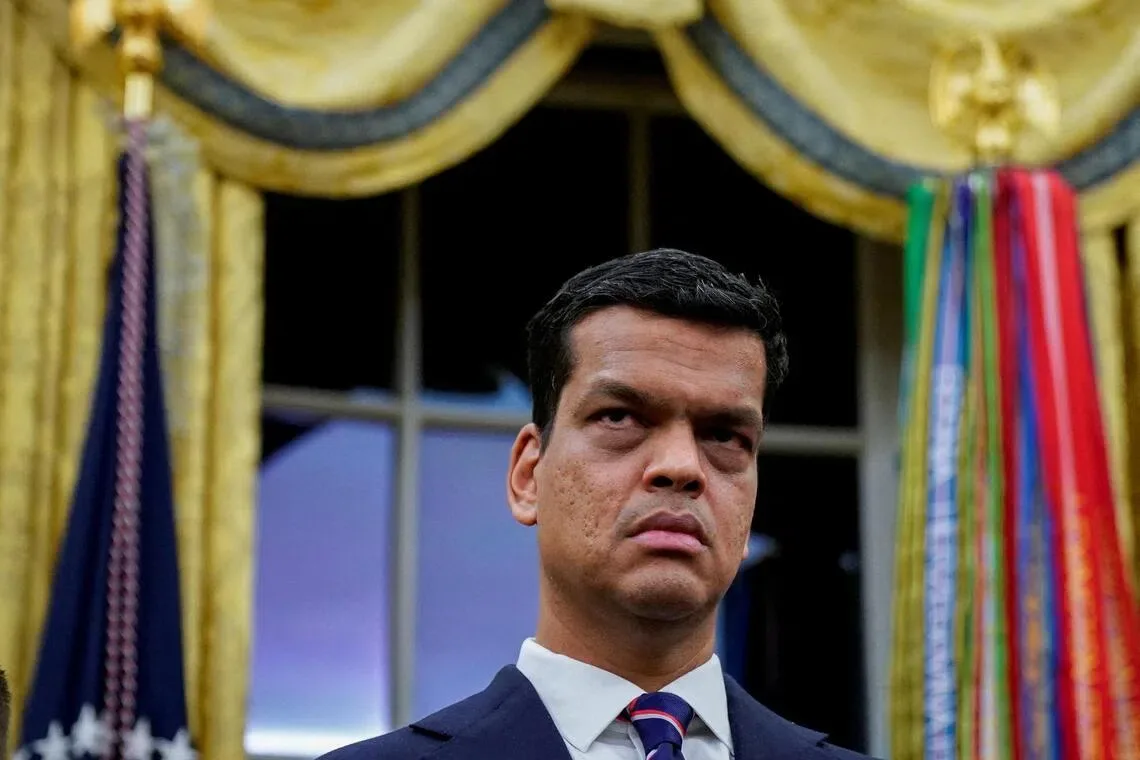
Sriram Krishnan, the White House senior AI policy adviser, announced on June 6 that he will step down from his official position by June 30, 2026, after 18 months in the role, though he will continue advising from outside government [1, 2, 3, 4].
Krishnan was appointed in early 2025 by President Donald Trump as part of the administration’s national AI strategy effort [1, 3, 5]. He played a key role shaping U.S. AI policy, securing early government access to AI models from companies including Google, Microsoft, and xAI for security assessments in May 2026 [1]. The Trump administration issued an executive order on June 2 calling for voluntary government access to advanced AI systems for cybersecurity testing, a policy Krishnan helped implement [1, 4].
His work focused on promoting American AI leadership, streamlining AI adoption across federal agencies, and engaging in international AI diplomacy [1, 5]. Krishnan said, "First and foremost, it has been an honor to serve under President [Donald Trump]. Without his leadership, we would not be leading in the AI race" and called his time in government "the privilege of a lifetime" [2, 3]. He added, "Whether it is energy, data centers or a clear path for Americans to experience the benefits of AI, there are many tough issues we all need to navigate together" [3].
Krishnan, born in Chennai in 1984, previously held senior roles in the private sector, including at Microsoft, Twitter, Facebook, Yahoo, Snap, and venture firm Andreessen Horowitz [1, 3, 5]. He has received public support from figures such as Elon Musk [5].
Trump’s administration also pursued a diversified approach to AI vendors and a hands-off cybersecurity posture [1]. On June 5, Trump revealed plans to discuss the possibility of the U.S. government acquiring equity stakes in AI companies during upcoming meetings with AI executives [2, 4].
Krishnan said he plans to focus on building outside institutions to address major AI challenges impacting the U.S. and its allies after leaving the White House [1, 3]. His official departure is expected on June 30, 2026 [1, 2, 3, 5, 4].