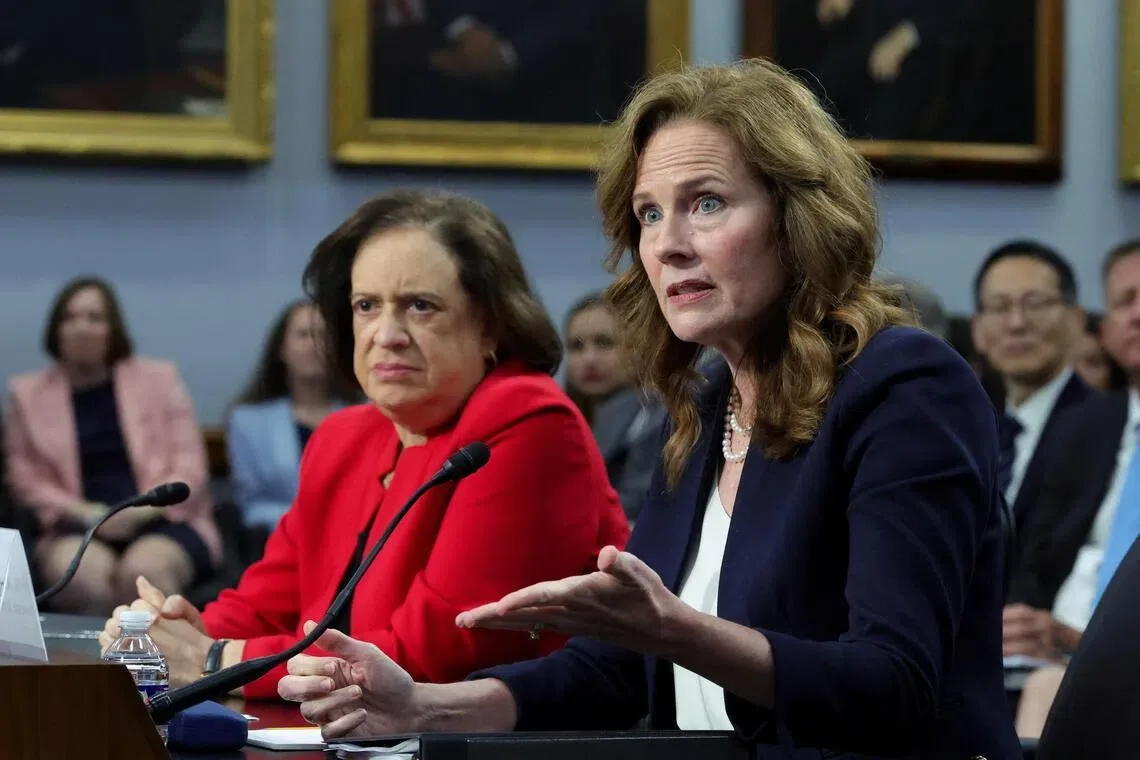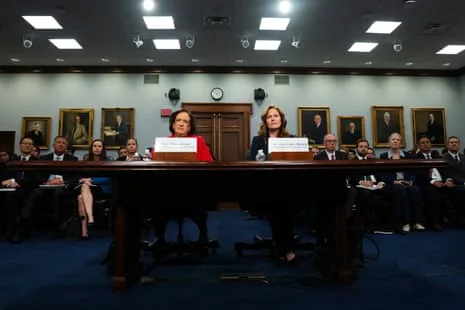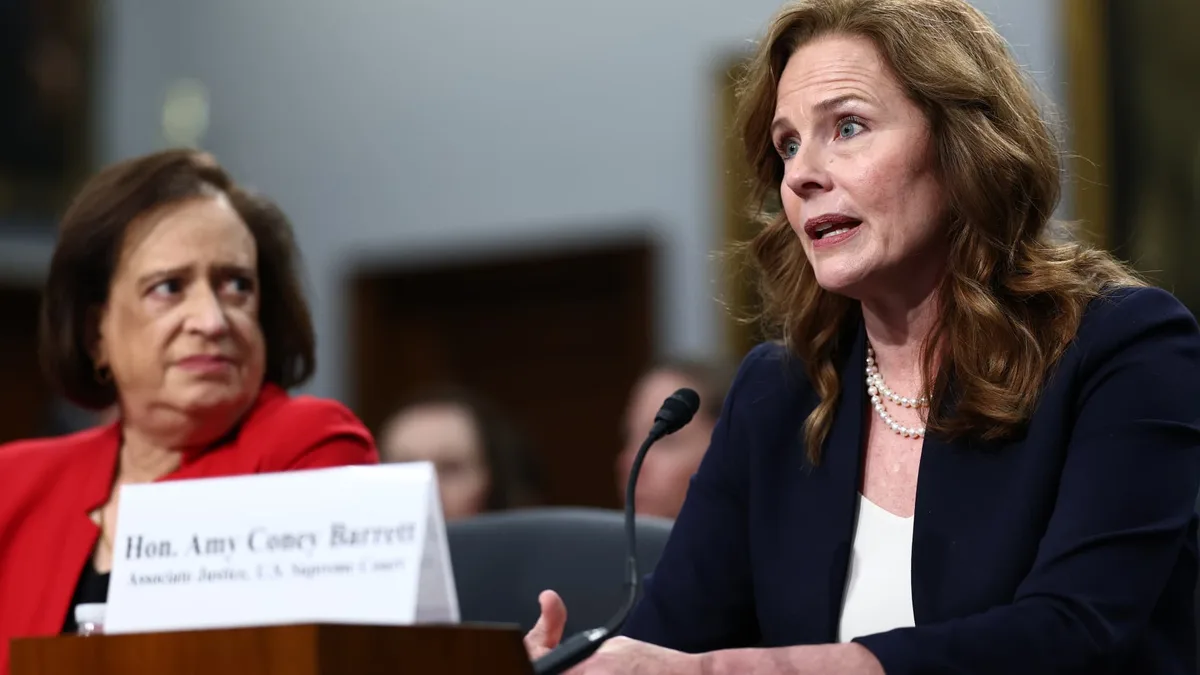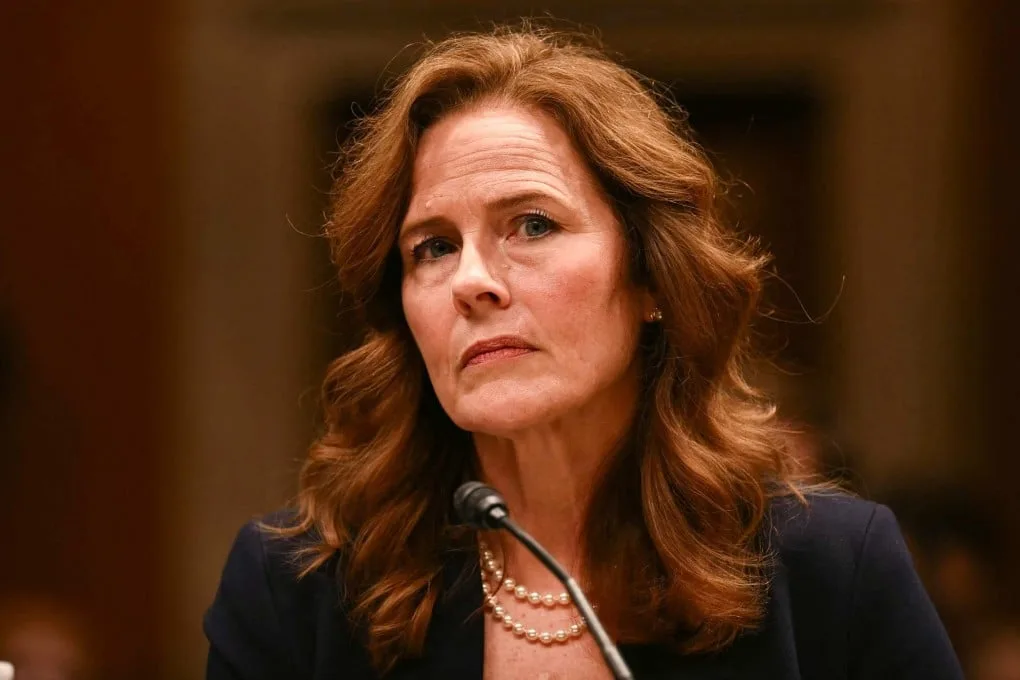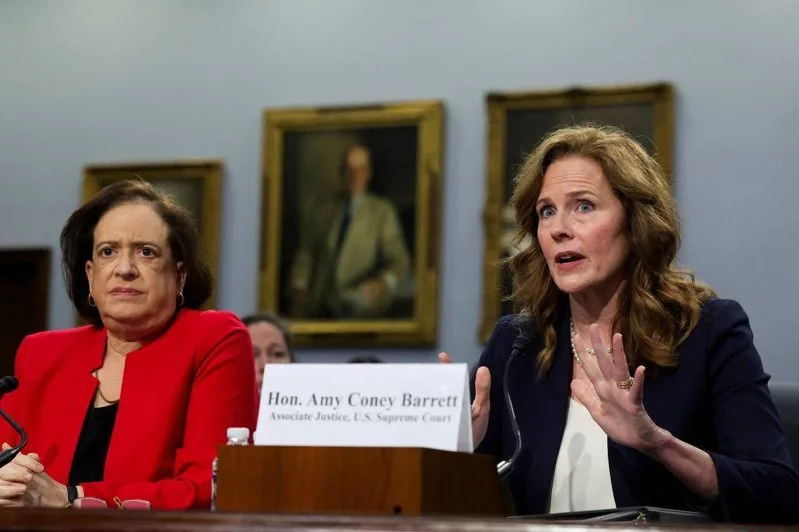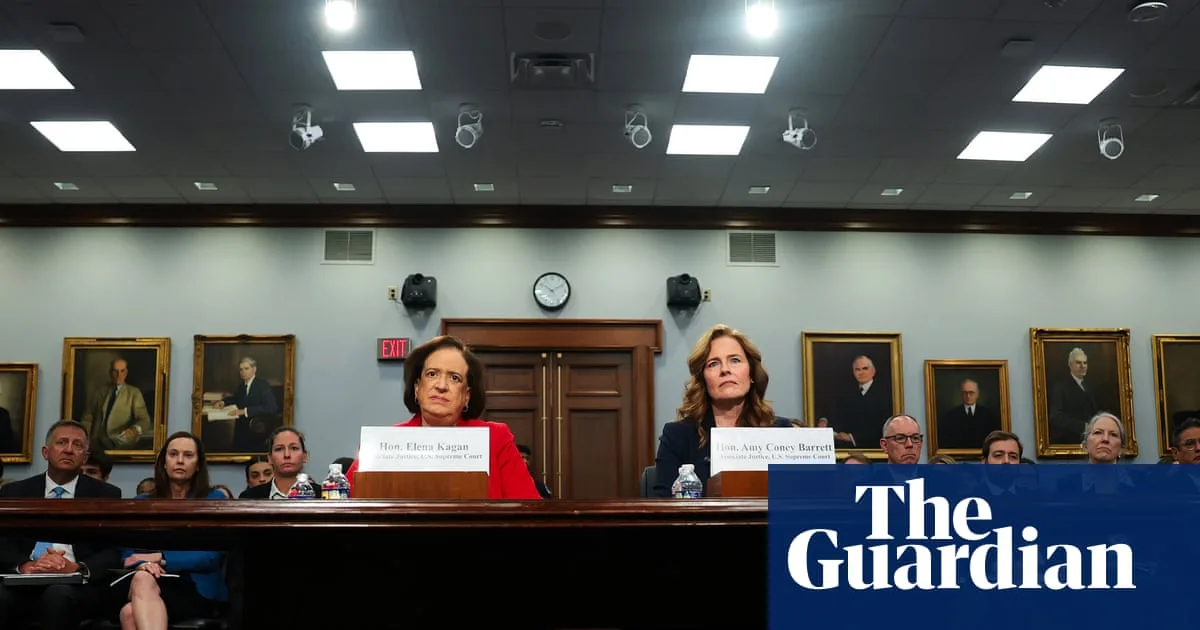
Supreme Court Justices Elena Kagan and Amy Coney Barrett appeared before the House Appropriations Committee on July 14, 2026, to request a roughly 10% increase in the Court’s budget for fiscal year 2027, raising it from about $207 million to approximately $228 million. The boost includes around $14.6 million earmarked specifically for court security enhancements [1, 2, 3, 4, 5, 6, 7, 8].
The funding would add six security personnel for each justice, increasing their current protective details that range from four to eight members. The budget also allocates about $2 million to create off-site residential security stations to speed emergency responses. Additional funds will support overall Supreme Court police staffing and maintenance of court facilities [1, 2, 5, 6, 7].
Threats against Supreme Court justices have risen sharply since the 2022 leak of the Dobbs opinion that overturned Roe v. Wade. The U.S. Marshals Service has reported 564 threats against federal judges in the 2026 fiscal year to date, a 38% increase over the prior year [1, 2, 5, 6, 7]. Justice Kagan said, "For some of us, those threats have come very close," highlighting the personal safety risks involved [2].
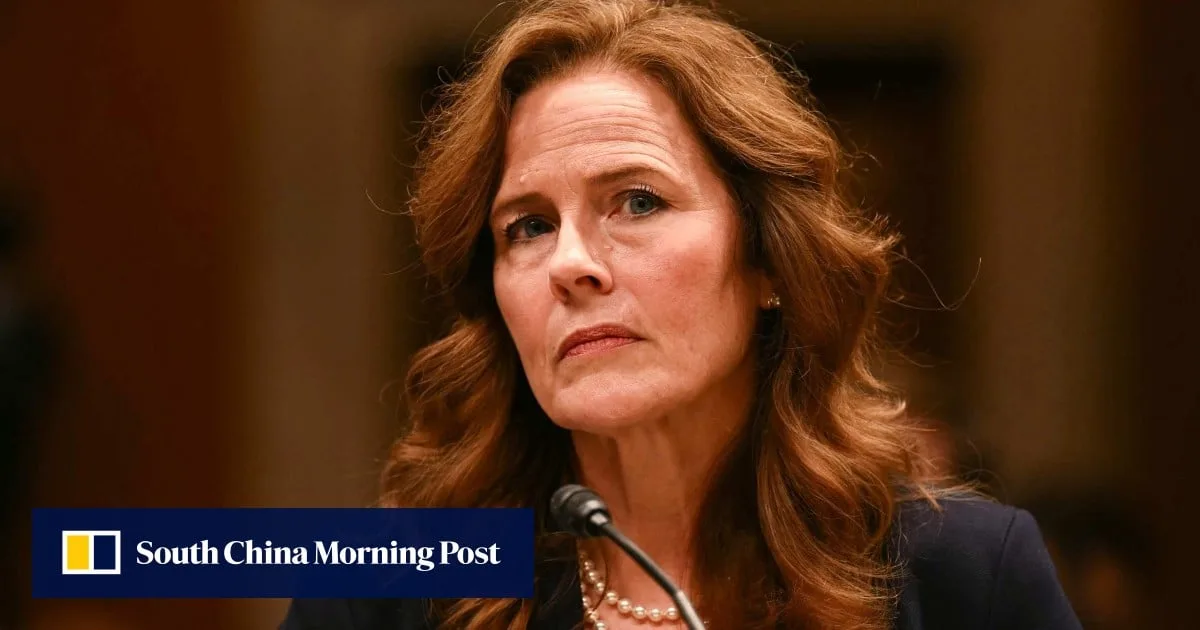
Justice Barrett, appointed by former President Trump in 2020, testified while wearing a bulletproof vest due to increased threats. She shared the difficulty it causes at home: "Maybe I lack imagination, but I didn’t expect that performing this service was going to put me in the position of explaining to my children what a bulletproof vest was and why I had to wear one" [1, 2, 3, 4, 5, 6, 7]. Barrett’s family has also faced threats, including a bomb threat against her sister and a recent swatting incident at her home in May 2026 [2, 4, 5, 6, 7].
Political polarization around contentious issues like abortion, gun rights, and elections has fueled hostility and harassment toward justices. Chief Justice John Roberts condemned the threats, stating, "Criticism of judicial opinions can be understood, but hostility against individuals is dangerous and must stop" [5, 6]. Democratic lawmakers including Steny Hoyer urged Congress to fund judicial safety adequately, noting the country's increasing violence and division [1]. Rosa DeLauro criticized the Supreme Court’s 2023 ethics code as "woefully insufficient" because it relies on voluntary disclosures without enforcement [1].
On the question of stronger ethics enforcement, Justice Kagan supports establishing a mechanism for compliance, while Justice Barrett expressed skepticism about its feasibility [1, 5, 6].
Congress shows bipartisan support for the security budget increase amid rising threats, making approval likely. Funding decisions for fiscal year 2027 will determine whether the additional security measures and personnel can be implemented as requested [1, 8].