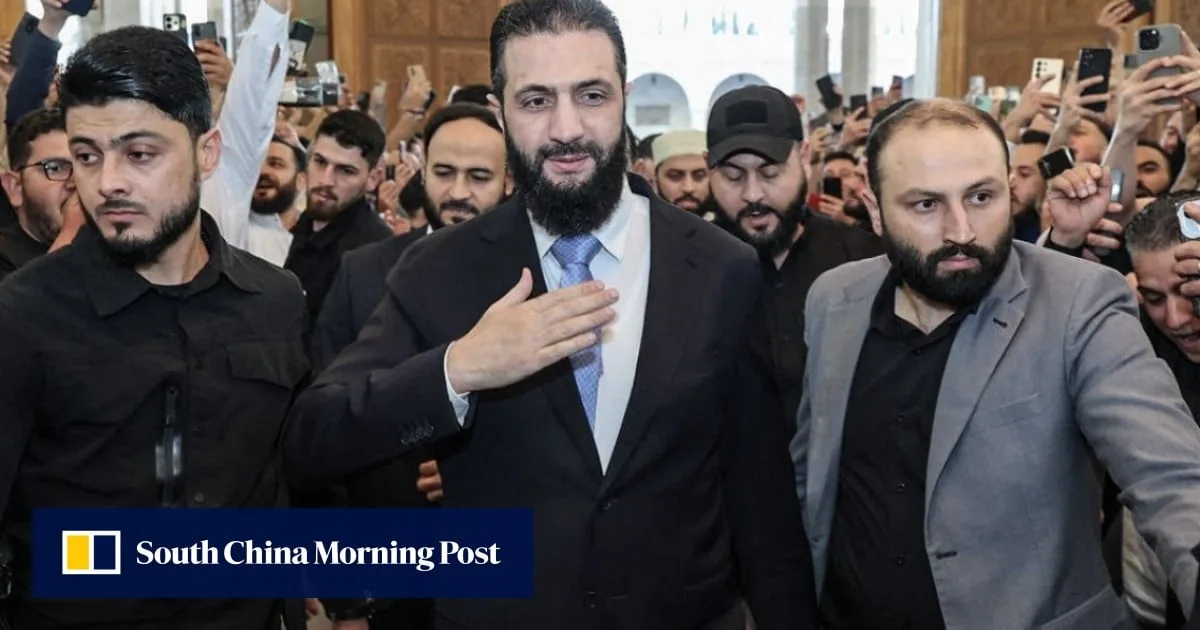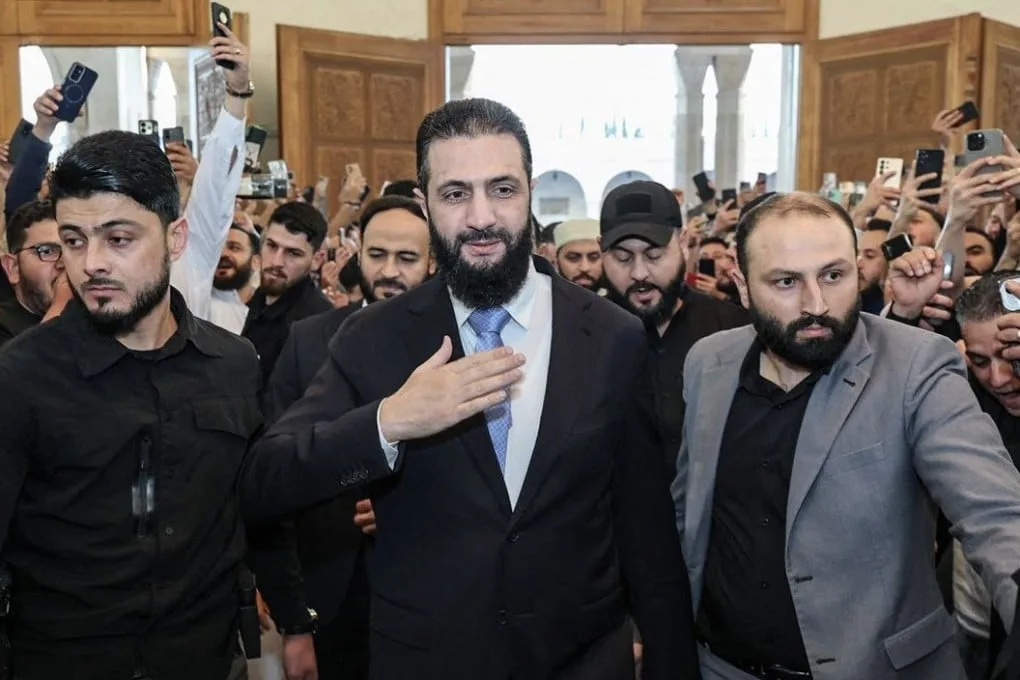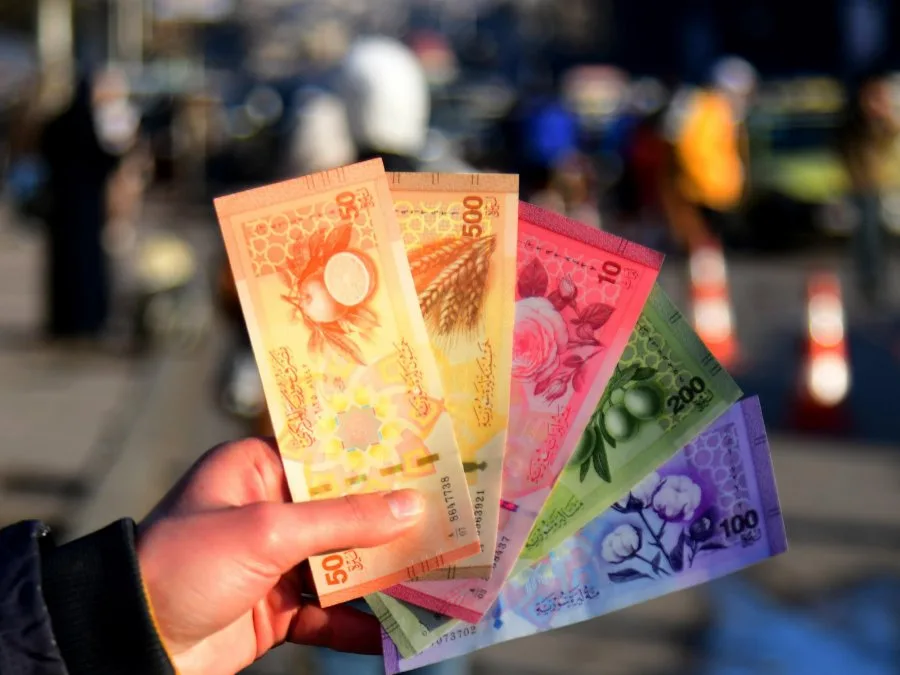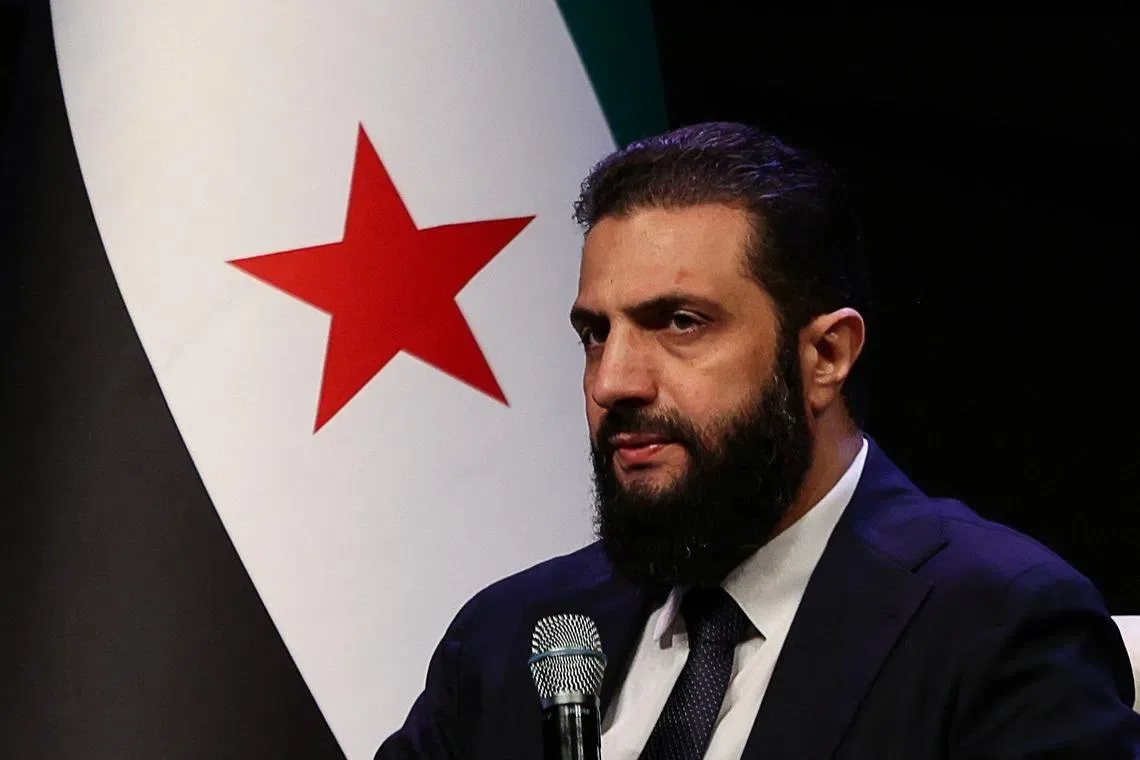
Syrian President Ahmed al-Sharaa spoke with US President Donald Trump on May 31 to discuss support for Syria’s economy, lifting of US sanctions, and regional developments [1, 2, 3, 4]. Al-Sharaa said lifting the remaining US sanctions "is essential to reviving the economy and attracting investments" [1].
The US has dismantled most of its sanctions regime on Syria and repealed the Caesar Act but still maintains some sanctions targeting President Bashar al-Assad, his associates, alleged human rights abusers, and others involved in regional destabilization [1, 2, 5, 6, 4]. Washington is reviewing Syria’s designation as a state sponsor of terrorism, a label that restricts foreign aid, defense exports, and financial transactions [1, 2, 5, 6, 4].
President Trump emphasized the need to "preserve stability and support Syria’s recovery and rebuilding efforts through diplomacy and dialogue to strengthen regional security and peace" during the call [3]. Lifting the remaining sanctions is widely viewed as critical to the success of Syria’s new government [1, 2, 5, 6, 4].
Saudi companies have shown growing interest in Syria’s economic recovery. In February, Saudi Arabia announced a major investment plan including energy, aviation, real estate, and telecommunications [5, 6]. The Saudi Telecommunication Company plans to invest over 30 billion Saudi riyals to improve Syria’s telecom infrastructure [5, 6].
To coordinate US efforts in the region, Trump appointed a presidential envoy for Syria and Iraq, who also serves as the US ambassador to Turkey [5, 6].
The White House and Damascus are expected to continue discussions on the status of sanctions and diplomatic relations in the coming months.