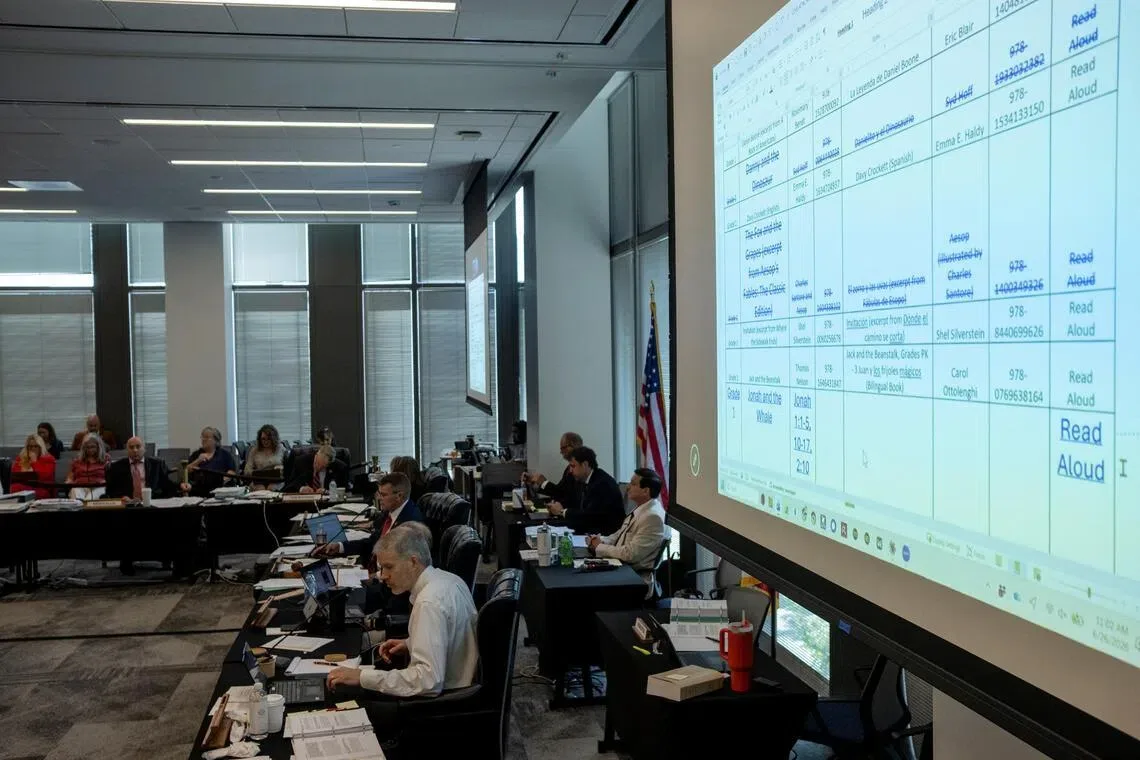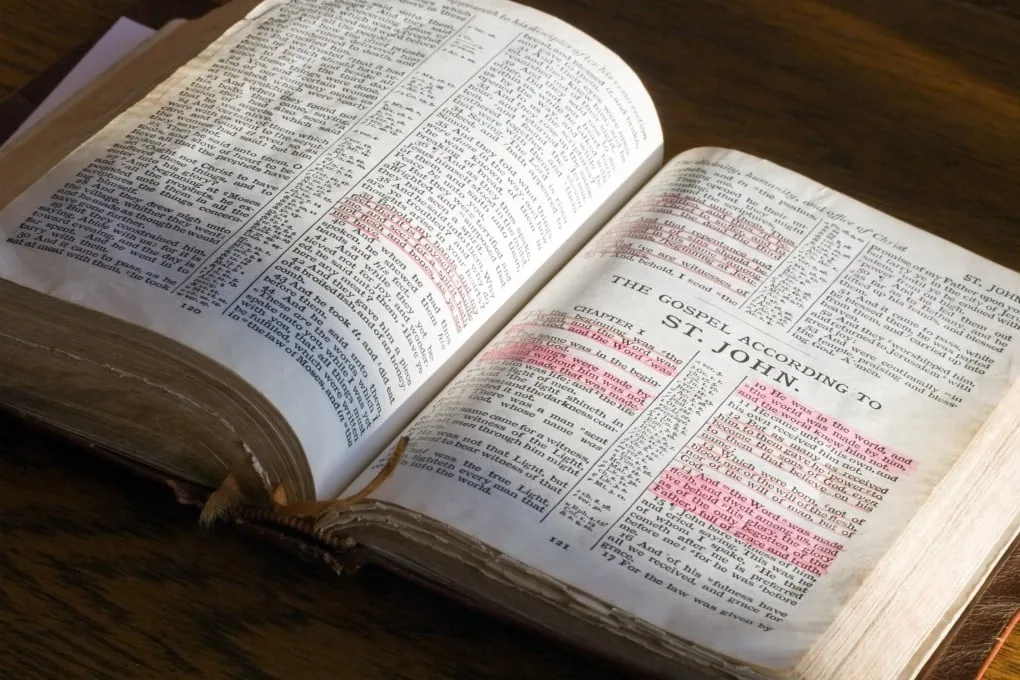
The Texas State Board of Education voted 9-5 on June 26, 2026, to approve a required reading list that includes passages from the Bible for more than 5 million public school students statewide [1, 2, 3, 4]. The list will take effect starting with elementary students in the 2030-31 school year and will expand gradually to higher grades [1, 5, 6, 4].
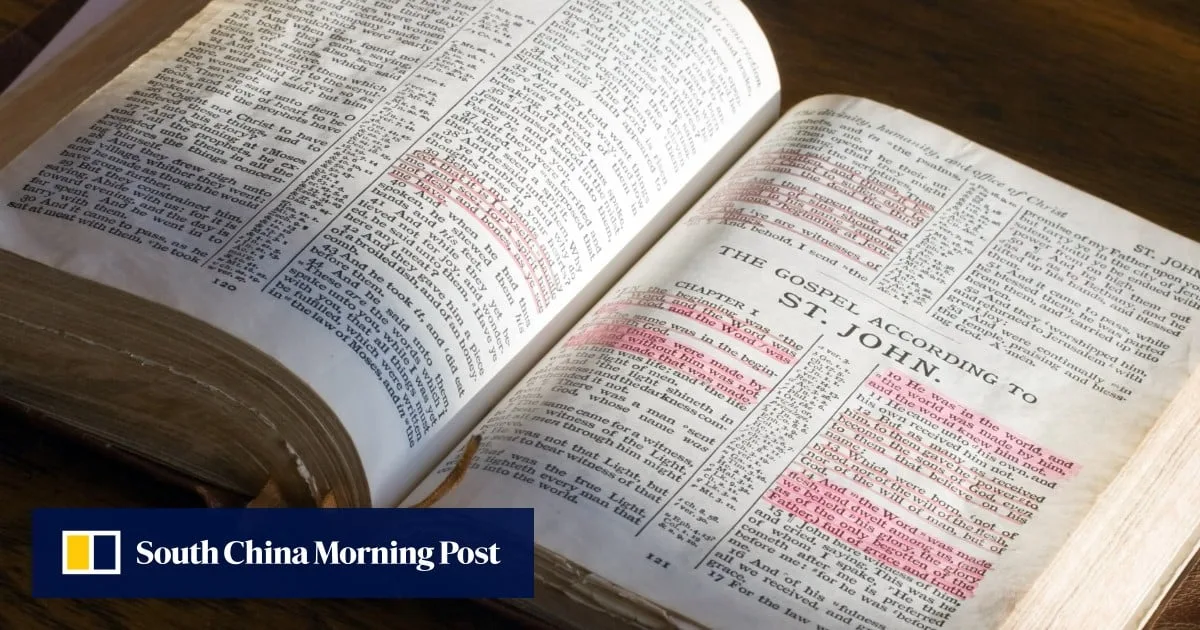
The reading list includes roughly 200 texts, comprising books, essays, and Bible passages selected by education officials, as required by a 2023 Texas law that mandated creating grade-level reading materials [5, 4]. Bible excerpts include stories from Genesis such as Adam and Eve, from Exodus the story of Moses and the burning bush, New Testament parables, the Book of Jonah, Psalms, and Lamentations, among others [1, 5, 6, 4].
Alongside Biblical texts, the list features classic English literature such as Charles Dickens' Great Expectations and Shakespeare's The Tragedy of Julius Caesar. Speeches by historical figures like Martin Luther King Jr. and Margaret Thatcher are also included [1, 5, 4].
Board member Brandon Hall said, "We are bringing the Bible back into schools this week for the first time in 60 years," highlighting the perceived historical and cultural significance of Judeo-Christian texts [1]. Supporters argue these works are essential to understanding American history and literature [1, 5, 6, 4].
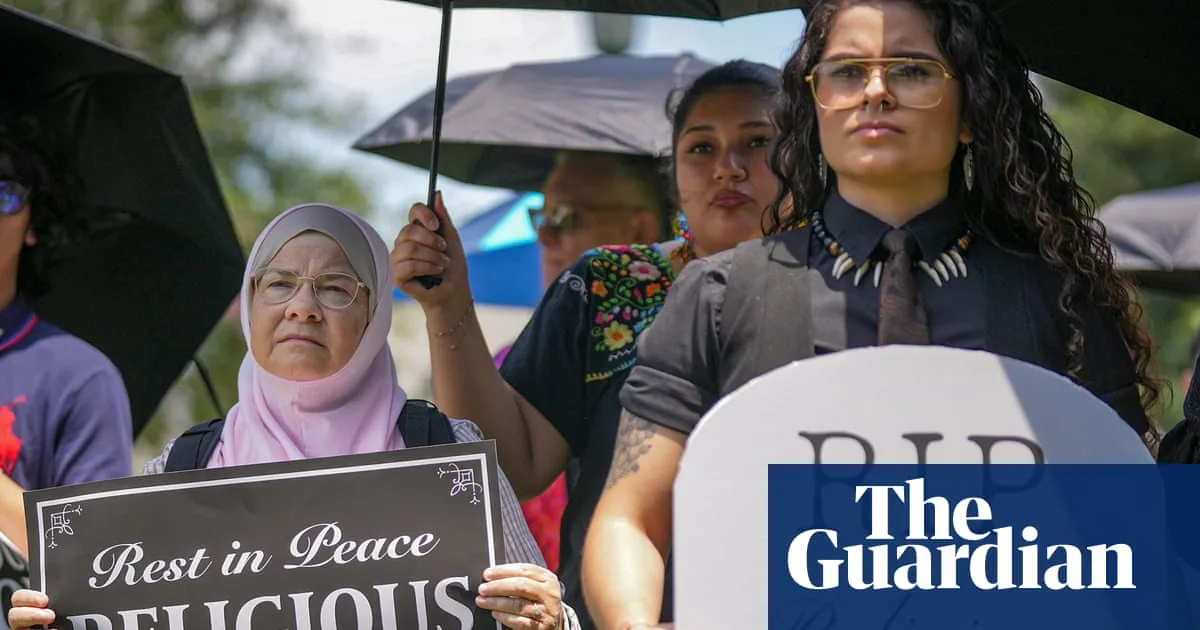
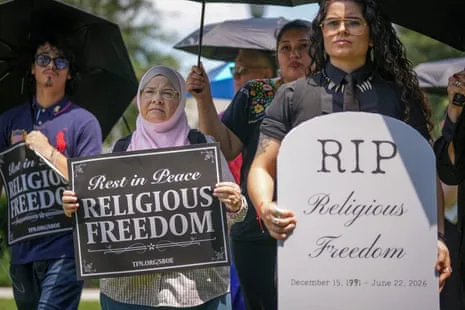
The measure passed with a Republican-controlled board in a 9-5 vote, with some Republicans joining Democrats in opposing the plan [1, 2, 3, 4]. Opponents criticized the mandate for promoting Christianity over other faiths, lacking religious diversity, and potentially violating constitutional separation of church and state principles. Rachel Laser of Americans United for Separation of Church and State said the decision attempted "to impose one narrow set of religious beliefs and indoctrinate a new generation of Americans in the lie that America is a Christian country" [2]. Felicia Martin of the Texas Freedom Network said the list has "a very Western-centric view of the world that omits the contributions and the histories of black, brown, indigenous people, of other religious faiths and traditions that are critical to the overall understanding of our history" [1]. Elva Mendoza of the same group added the policy sends "the message to children that one and only one religious text — a Christian one — is worthy of making this required reading list" [4].
Teachers have expressed concerns about the length of the list and a potential loss of autonomy in selecting classroom materials. Clare Haefner of the Texas Classroom Teachers Association said educators worry about losing flexibility in determining what is appropriate and relevant for their students [1].
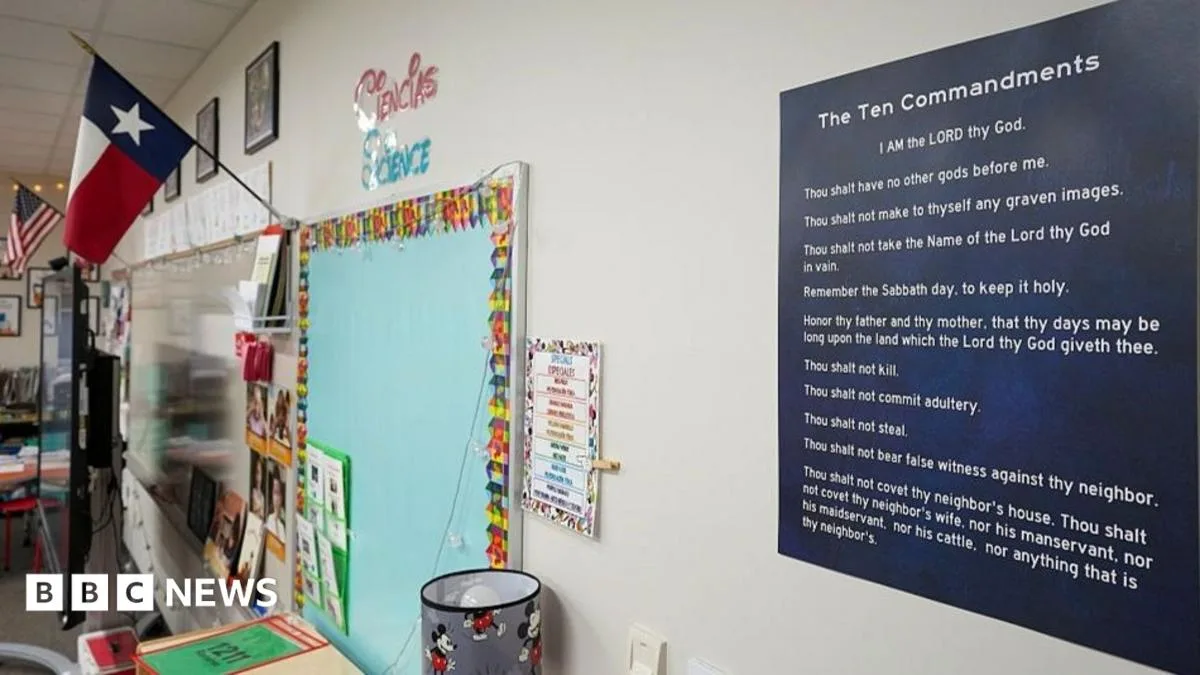
Earlier in 2026, a federal appeals court upheld a Texas mandate requiring the display of the Ten Commandments in public school classrooms, reinforcing the state's position on religious displays in education [5, 2, 3, 4].
The new required reading list will be implemented starting with the 2030-31 school year, moving from elementary grades to higher levels as planned [1, 5, 6, 4].