Graham Platner ended his campaign in early July 2026 following allegations of sexual assault from a former partner, creating a vacancy in the Democratic Senate race in Maine [1, 2, 3]. Troy Jackson, a former Maine Senate President and fifth-generation logger, emerged as the presumptive nominee to replace Platner [1, 2, 4, 5, 6, 3]. Jackson finished third in the 2026 Democratic gubernatorial primary before focusing on the Senate contest [1, 2, 4, 5, 6, 3].
In mid-July, Maine’s 16 counties selected delegates for the Democratic nominating convention, where Jackson-aligned delegates won more than 90% of the 500 delegate slots up for grabs [1, 4, 5, 6, 3]. This sealed his strong position heading into the July 25 convention in Bangor, where the official nominee will be selected [1, 2, 4, 5, 3]. Top rivals Nirav Shah, Shenna Bellows, Jordan Wood, and Dan Kleban dropped out and endorsed Jackson, clearing the path to his nomination [1, 2, 5, 6, 3]. Bellow cited concerns about Donald Trump’s attacks on democracy and said she will focus on her role as Secretary of State [5].
Jackson, 58, has a progressive platform. He supports Medicare-for-All, raising taxes on billionaires, abolishing ICE, cutting military aid to Israel, and defending abortion rights [2, 4, 6, 3]. Jackson was previously a Republican and independent before joining the Democratic Party in 2004 [6]. He declared, “We’re well on our way to getting the government that we fucking deserve” and asserted, “In November, Mainers will defeat Susan Collins, and we will take back our Senate seat from the billionaires and corporations who think they own it” [2, 5].
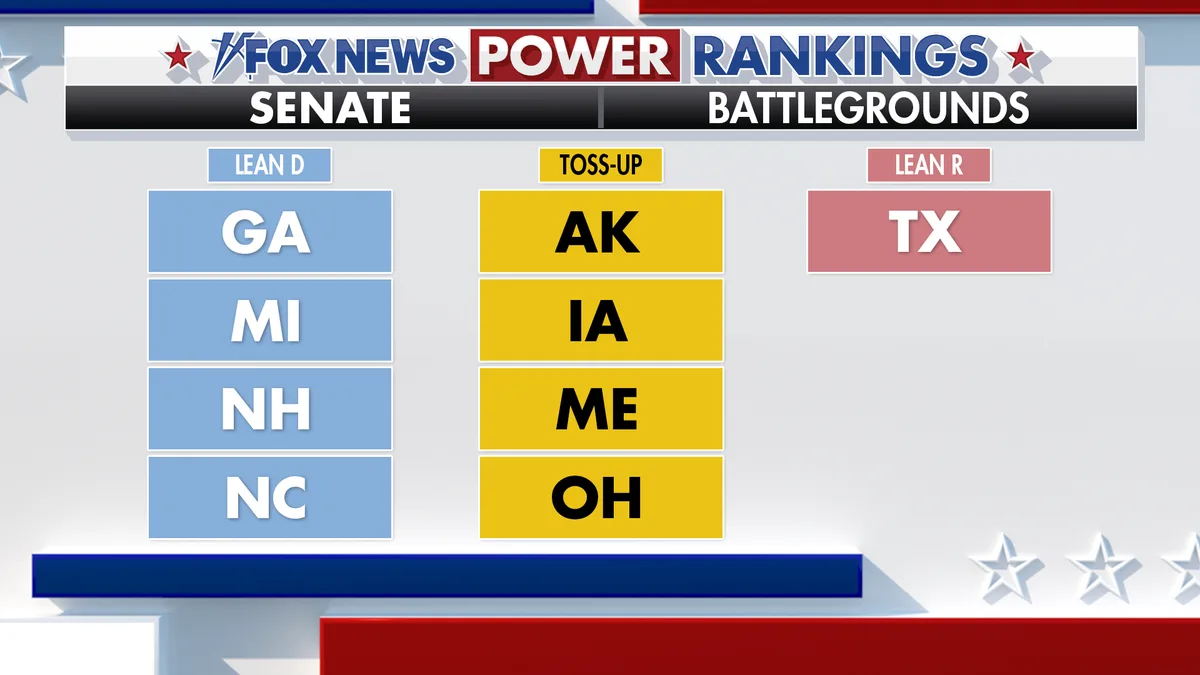
The race is a key battleground that could influence control of the Senate, where Republicans currently hold a 53-47 majority [1, 2, 4, 5, 3]. Incumbent Republican Senator Susan Collins is running for reelection in the 2026 midterms [1, 2, 4, 5, 3]. A recent poll showed Jackson with a narrow three-point lead over Collins among likely Maine voters [3].
The Maine Democratic nominating convention is scheduled for July 25, 2026, in Bangor, where delegates will officially select the Senate nominee [1, 2, 4].