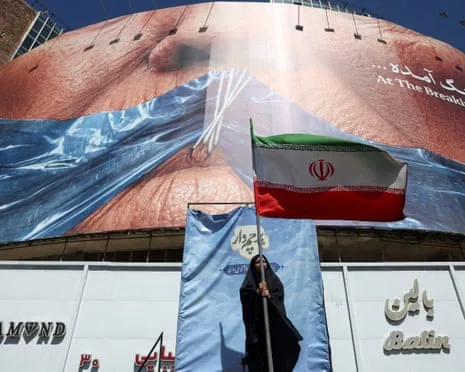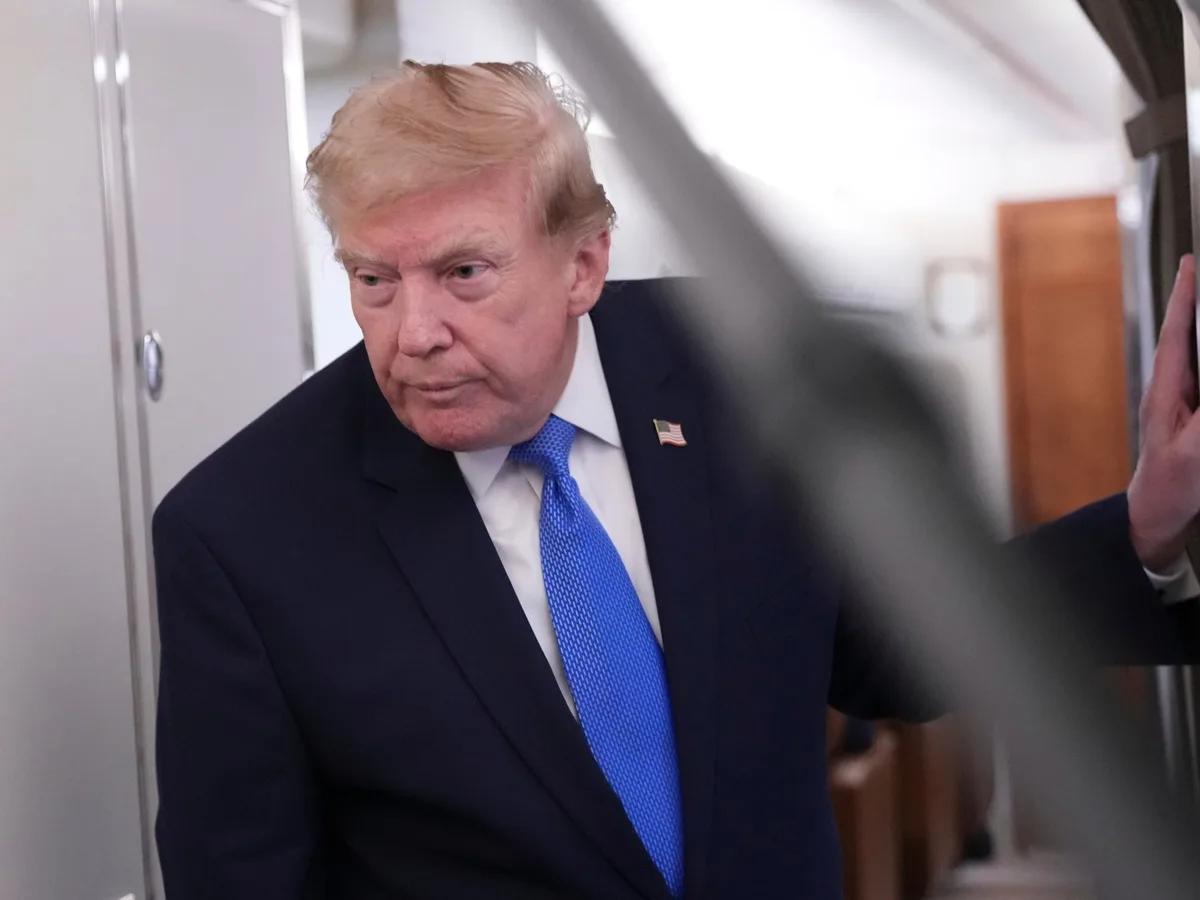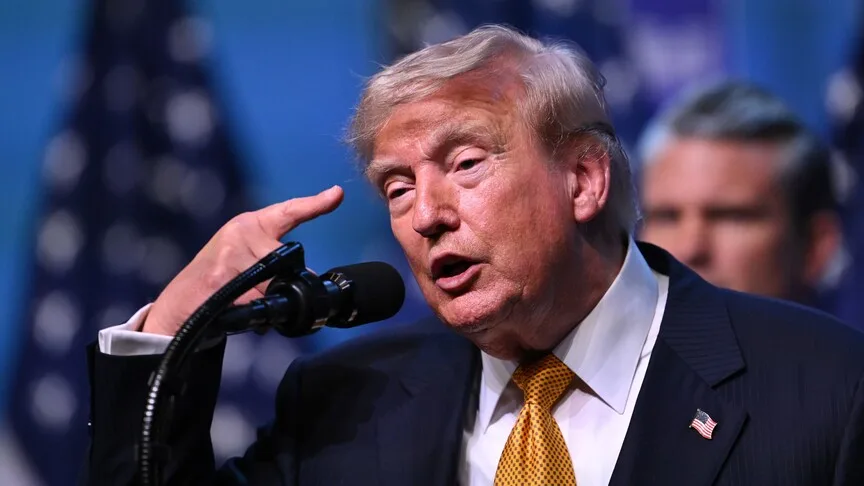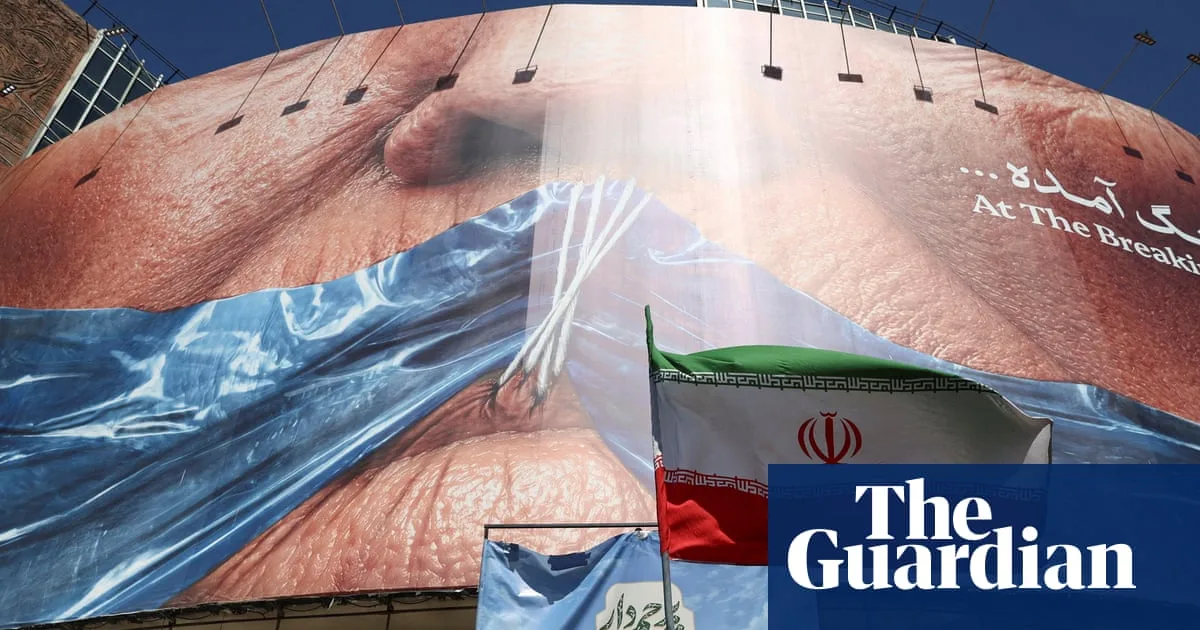
US President Donald Trump accused Iran of sending mixed signals about negotiations, claiming Tehran privately sought talks while publicly denying them. He called Iran’s leadership “unbelievably duplicitous” for requesting meetings and scheduling talks but then denying any discussions, saying they are only dealing with Oman [1, 2, 3].
Trump said negotiations could lead to a peace deal within days and spoke of reopening the Strait of Hormuz to secure maritime navigation. He dismissed Iran’s claim over control of the strait, stating it is already under US Navy control [1, 3]. Meanwhile, Iran denied any direct negotiations with the US. Iranian foreign ministry spokesman Esmaeil Baqaei said talks are only with Oman and other regional countries to ensure safe passage through the strait. He added the Strait of Hormuz would not return to prewar status and must not be misused by aggressive parties [1, 2]. Baqaei declared, “We are not currently negotiating with the United States. Our negotiations are with Oman to secure passage through the strait of Hormuz” and stressed the need to prevent misuse by aggressors [1].
Trump warned the US would maintain a naval blockade dubbed the “Wall of Steel” on Iran until a deal is reached or total surrender occurs. He stated, “Nothing gets through to Iran, unless we want it to, and nothing will get through, unless a Deal, or Total Surrender, is accomplished” [2, 3].
Recent weeks have seen sharp military exchanges. The US launched attacks inside Iran, while Iran struck US facilities in Arab countries including Jordan, Bahrain, and Kuwait, escalating tensions [3]. Negotiations between Washington and Tehran have stalled over security guarantees and freedom of navigation through the Strait of Hormuz [3]. Iran’s Trade Minister Mohammad Atabak traveled to Pakistan to discuss easing transit bottlenecks amid the US naval blockade [2].
In June 2026, the US and Iran signed a memorandum of understanding to begin negotiations toward a final agreement. On August 2, Trump announced plans for a major attack on Iran but paused to allow time for diplomacy after talks with Gulf allies and Iranian officials [2, 3]. On August 3, Trump publicly accused Iran of duplicity, while Iran denied direct talks with the US on the same day and saw the trade minister visit Pakistan to address blockade impacts [1, 2].