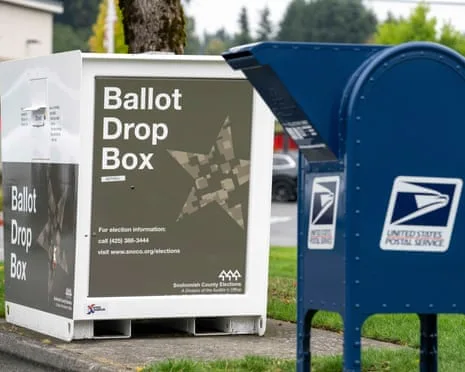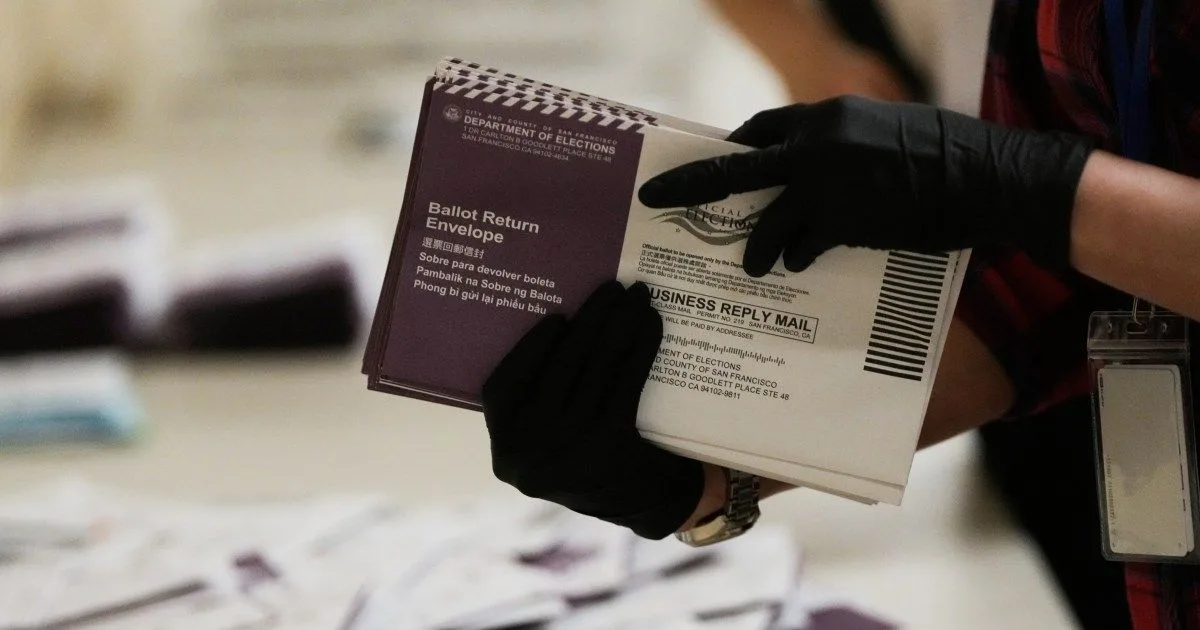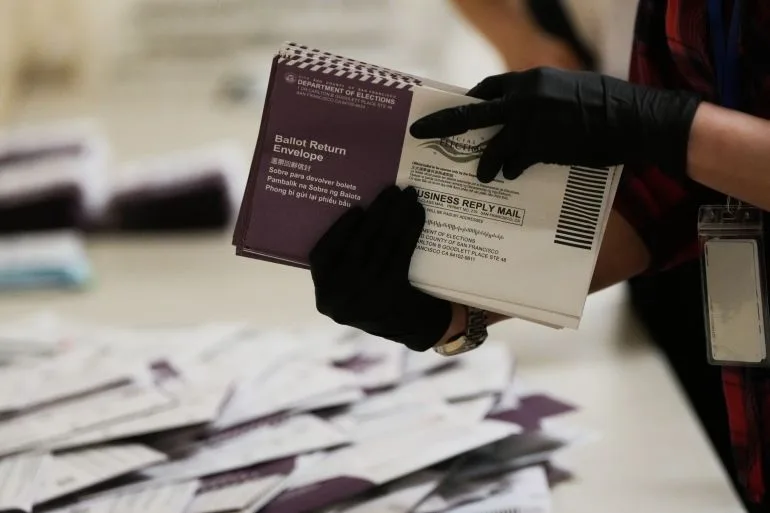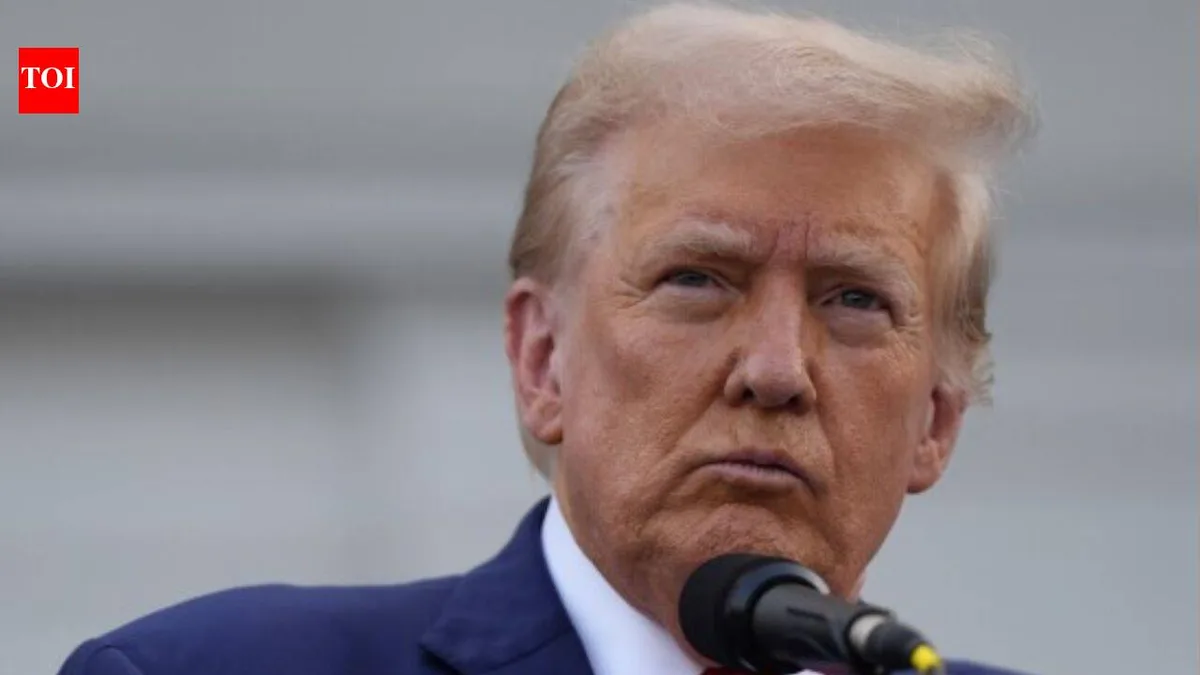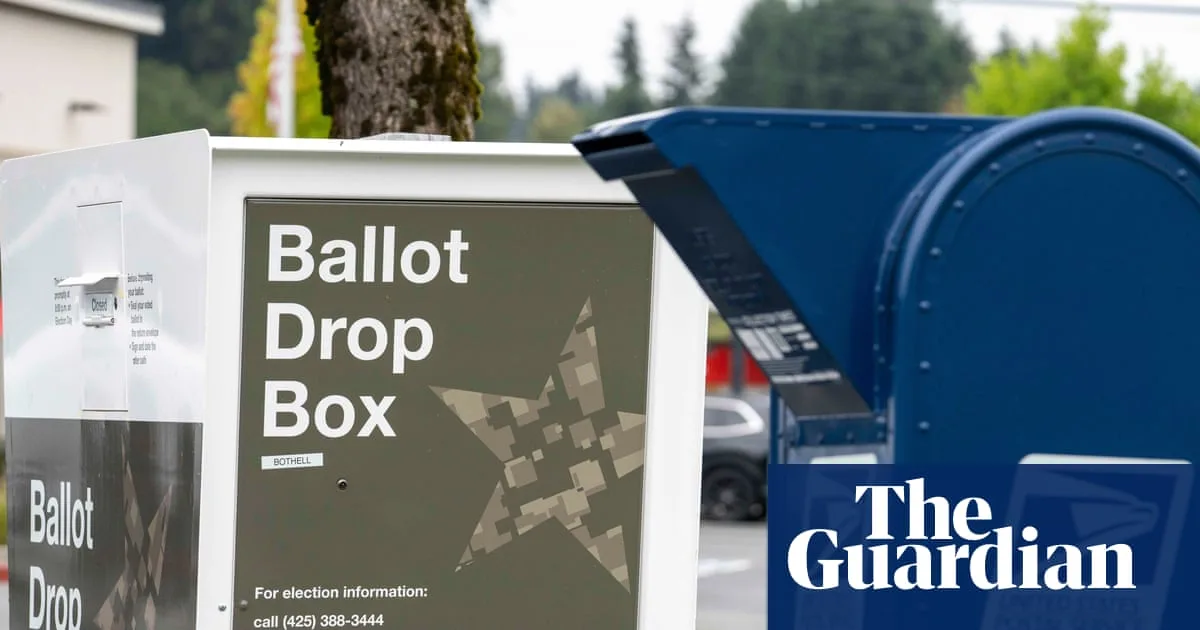
The Trump administration filed an emergency appeal to the US Supreme Court on September 6 to lift a preliminary injunction that blocks enforcement of new mail-in voting restrictions ahead of the November 3 midterm elections [1, 2, 3].
The restrictions stem from an executive order President Trump signed in March 2026. It requires the US Postal Service (USPS) to deliver mail-in ballots only to voters on a federal eligibility list approved by the Department of Homeland Security (DHS) [1, 4]. The administration says the order imposes only modest requirements on ballot envelope design and recipient information and aims to protect election security without federalizing election administration [2, 3]. US Solicitor General John Sauer said, "The Postal Service’s final rule imposes only modest envelope-design and addressee-information requirements for federal-election ballots sent via U.S. Mail," and that the rule leaves states responsible for determining voter eligibility [2].
On September 4, US District Judge Indira Talwani extended a preliminary injunction blocking USPS and state officials from enforcing the new rules [1, 2, 4, 3]. This injunction delays election officials' ability to comply as ballots begin to be sent out, potentially causing confusion. Sauer warned that "allowing the injunction to remain in place risks sowing confusion and chaos because the injunction makes preparatory steps voluntary, rather than mandatory" [3].
States including North Carolina have already started mailing ballots, with Alabama expected to begin on September 9. At least five other states are set to start ballot mailings the week of September 13 amid the ongoing legal dispute [1, 3]. Sauer noted, "Ballots have already begun to be mailed in North Carolina, and more States will begin the mailing process as the injunction remains in place — including Alabama on September 9 and at least five States the week of September 13. Once those ballot envelopes enter the mailstream, there is no retrieving them" [1].
Opponents, including Democratic-led states and judges, argue the federal restrictions are likely unconstitutional and threaten voter disenfranchisement due to the tight timeline and federal overreach into state-managed elections [1, 2, 4, 3]. Twenty-four state attorneys general have challenged the order [4]. State election officials and USPS have voiced concerns about the feasibility of implementing the new system before November, citing technological and logistical challenges [4]. No state has voluntarily adopted the new system so far [4].
Nearly one-third of US voters cast ballots by mail. The dispute comes as states prepare for the 2026 midterms, highlighting tensions between federal authority and state control over elections [1, 4]. The Supreme Court’s ruling on the Trump administration’s emergency appeal will determine whether the new postal ballot rules can be enforced in time.
Alabama is expected to begin mailing ballots under the current injunction on September 9, followed by at least five other states in the week of September 13, continuing the legal uncertainty around mail-in voting in the final stretch before Election Day.