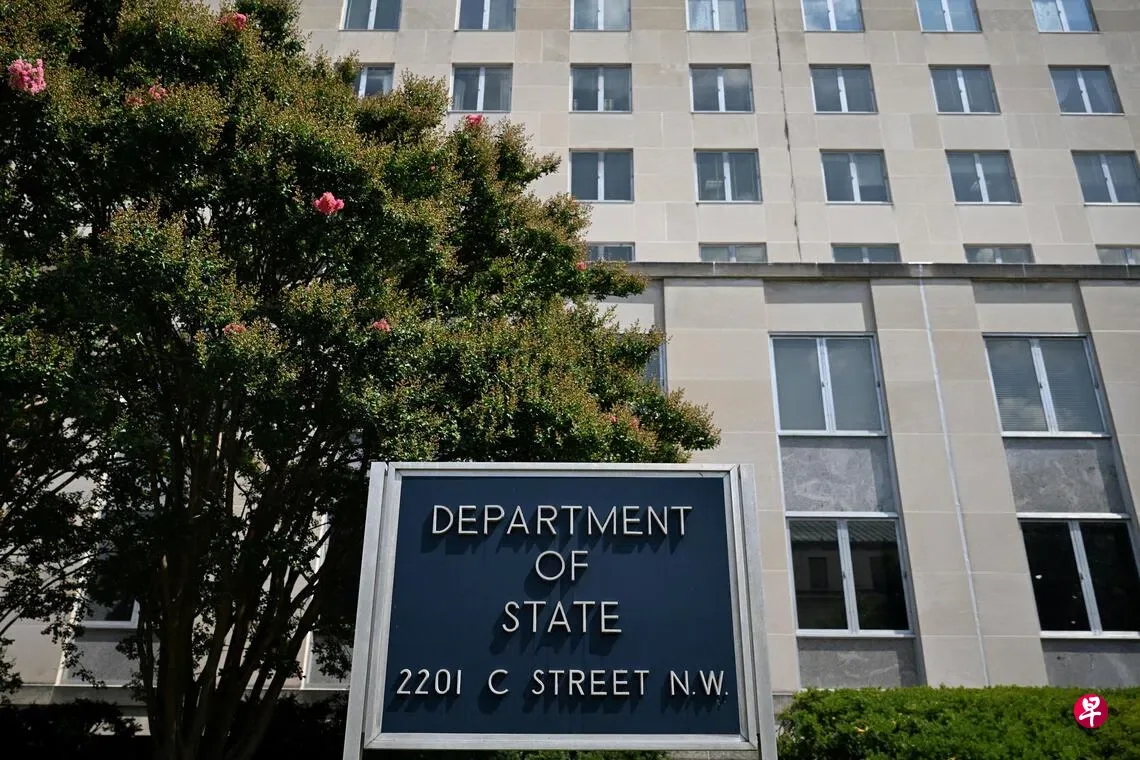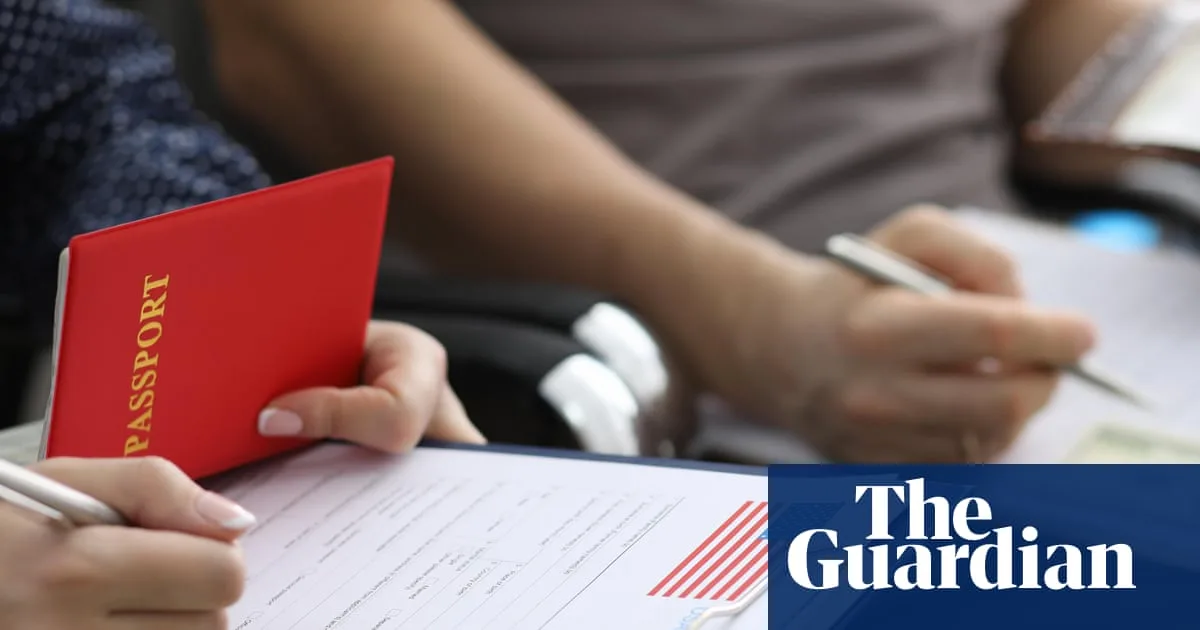
The Trump administration announced plans on August 24 to revoke up to 200,000 business (B1) and tourism (B2) visas held by foreigners who have applied for or are currently seeking asylum in the United States [1, 2, 3, 4, 5]. The visas targeted were issued between 2016 and 2026 [1, 6, 7, 2, 3, 4, 8, 5].
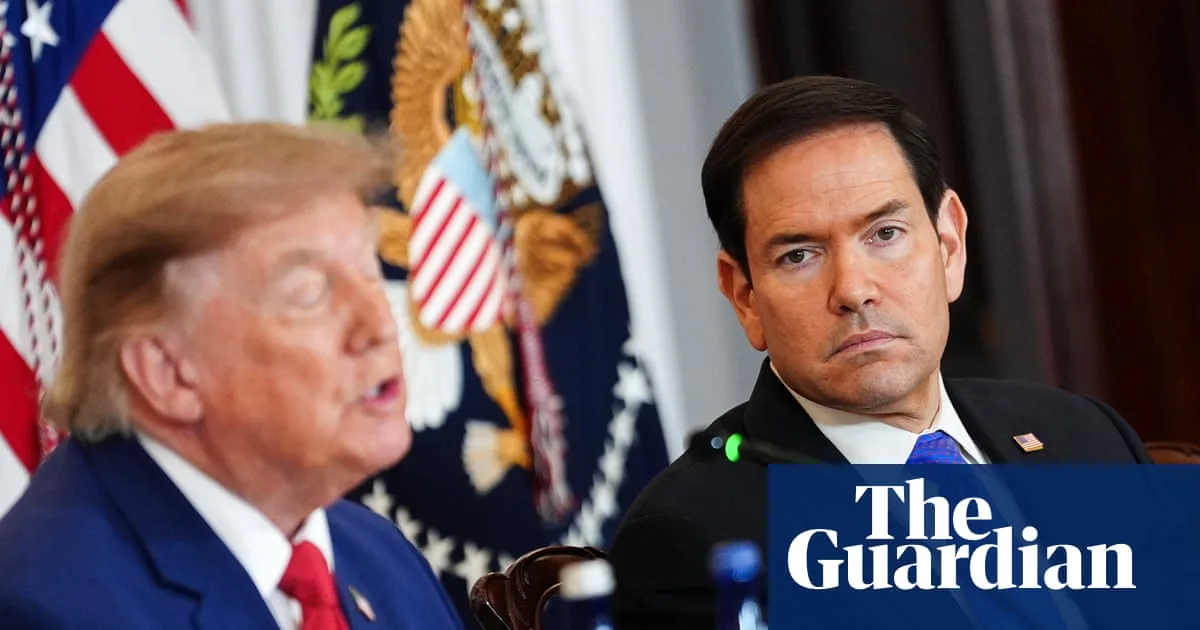
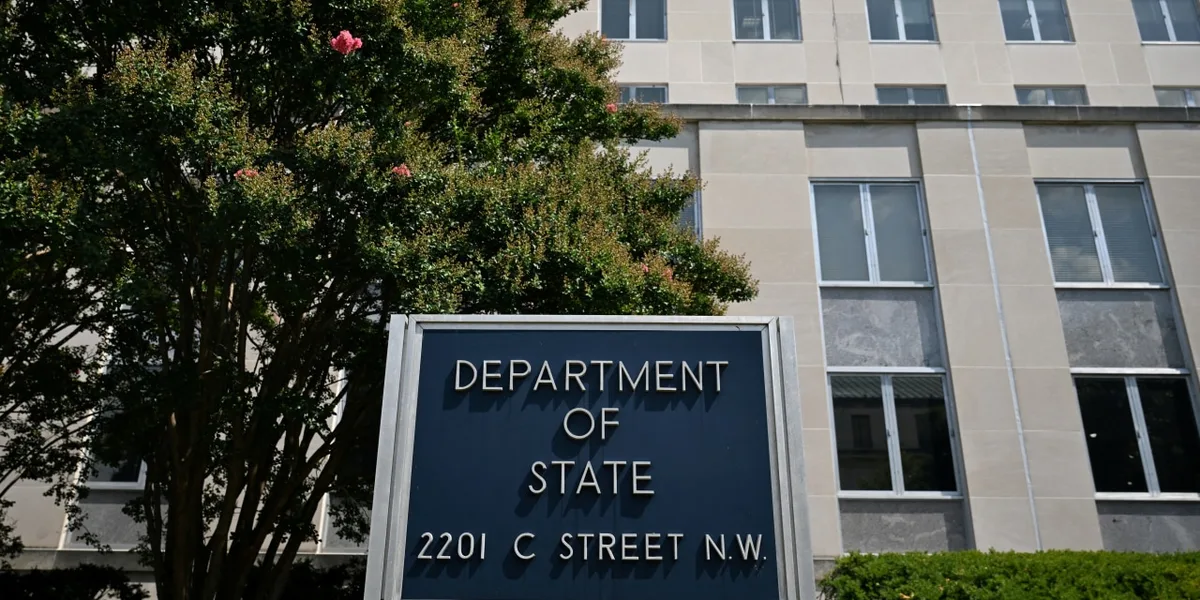
The effort will be coordinated with the Department of Homeland Security to identify and revoke these nonimmigrant visas. A State Department spokesman said the action aims at foreigners who initially entered as short-term visitors but then filed for asylum to remain permanently [2]. Deputy Secretary of State Christopher Landau sharply criticized the misuse of visitor visas for asylum claims, calling the immigration system "swamped by frivolous asylum claims" and stating, "People in the US and all over the world are fed up with bogus asylum claims. Asylum isn’t supposed to be a loophole to circumvent immigration law" [1, 4].
Visa revocation does not necessarily mean immediate deportation. Most affected individuals with pending asylum cases would lose their business or tourist visa status and be reclassified but remain in the process [1, 6, 7, 2, 3, 4, 8, 5]. Since the start of Trump's second term in 2025, over 175,000 visas have already been revoked under heightened scrutiny policies, including social media reviews, increased application fees, and bans on visa issuance to citizens of certain countries [1, 6, 7, 4, 8, 5].
Earlier in August 2026, all immigrant visa applications at US embassies and consulates were paused to train consular officers on new guidance aimed at restricting visas to applicants unlikely to rely on public benefits [9, 10, 11]. Applicants with scheduled interviews were notified of cancellations and told these would be rescheduled [9, 10, 11].
Human rights groups have condemned the crackdown, raising concerns over due process, free speech, and racial profiling. Joanna Cuevas Ingram, senior staff attorney at the National Immigration Law Center, said, "The court made clear that immigration laws cannot be used to justify discrimination" [1, 10, 3, 5].
The visa revocation plan is expected to be formally announced in the coming weeks, late August 2026 [6, 7, 2, 3, 4, 5].