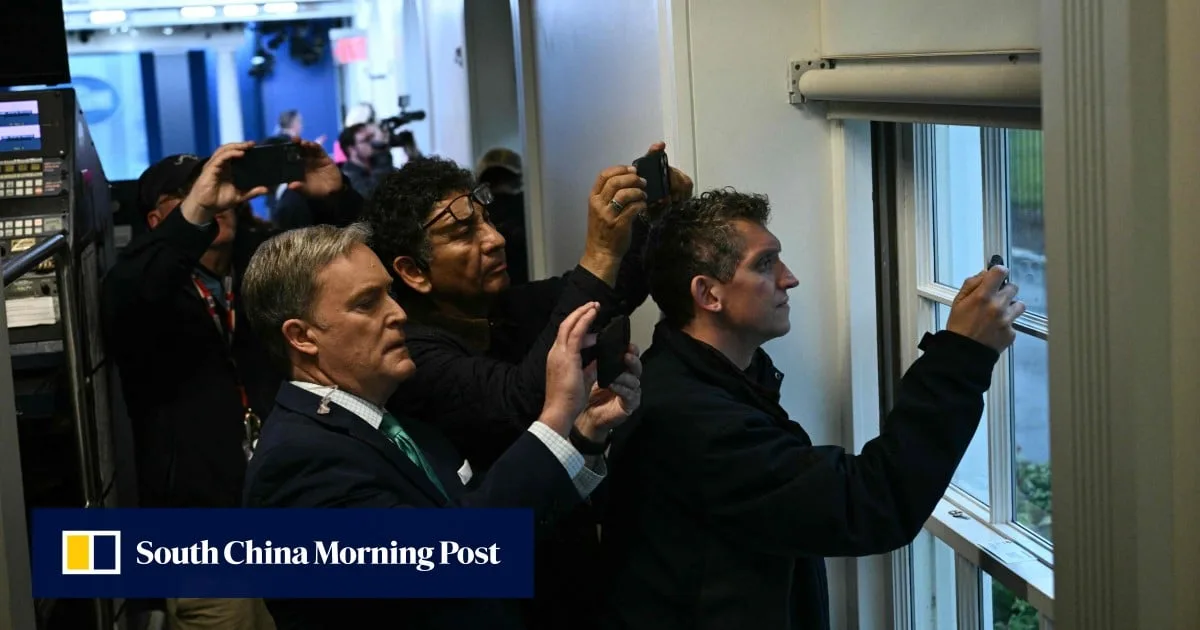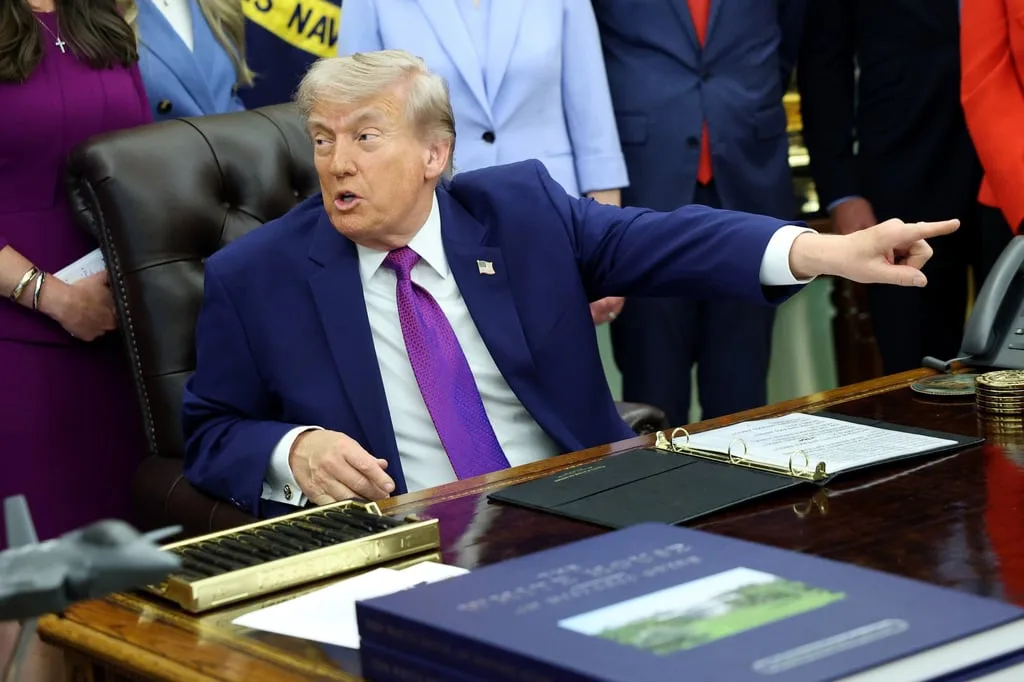
The Trump administration publicly proposed a draft non-disclosure agreement (NDA) on May 26, 2026, aimed at federal agencies and their employees to prevent leaks of confidential information to journalists [1, 2, 3]. The draft NDA would cover new and existing federal workers and would allow the government to seek civil and criminal penalties against those who breach the agreement [1, 2, 3, 4].
Under the proposed NDA, former federal employees would also require written permission from authorized officials before speaking to the media about information considered confidential by the administration [1, 2, 3]. The government would be entitled to any "royalties" employees receive from disclosing such information, though the meaning of "royalties" was not further defined [1, 2, 3].
The agreement is designed to protect information relating to internal agency operations, personnel issues, procurement procedures, or sensitive pre-decisional information that is not public [3]. However, federal law would continue to protect whistleblowers disclosing fraud, abuse, or misconduct to authorized bodies, and the NDA would not apply to such disclosures [1, 2, 3].
Each federal agency would have discretion on whether to implement the NDA or not [5, 3, 6, 4]. Officials said the NDA would primarily standardize existing employee obligations to safeguard confidential material rather than impose new speech restrictions. The Office of Personnel Management (OPM) stated, "The NDA would not create substantively new speech restrictions" [6, 4].
OPM Director Scott Kupor said the intent is to foster open and frank internal discussions without fear information will be leaked to the press. He said, "We're just trying to avoid situations where people feel like they won't express an opinion in a meeting because they are worried that's going to show up on the front page of the newspaper tomorrow. I just don't think it's good for anybody." [4]
An OPM spokesperson, McLaurine Pinover, said the proposal is "rooted in concerns that unauthorized disclosures of sensitive government information are disrupting agency operations and eroding trust across government." [1, 3]
The draft NDA forms part of a broader Trump administration effort to increase control over federal workers and regulate the flow of information to the public. This comes amid the president's ongoing campaign against media outlets he deems critical, including lawsuits and press restrictions [1, 2, 5, 3, 6, 4].
The draft NDA will be published in the Federal Register, followed by a 30-day public comment period before any implementation decisions are made [3, 6].