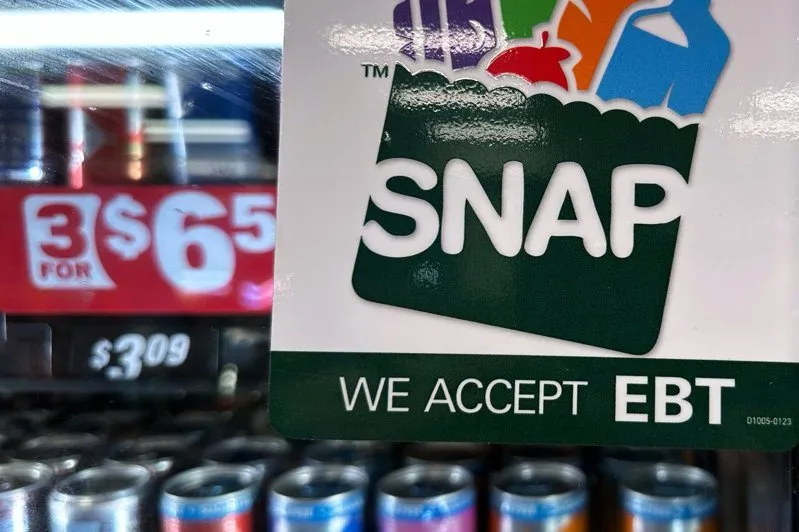
The Trump administration announced on July 16, 2026, that it will restore the "public charge" rule, which restricts immigrants seeking green cards from using certain public benefits, the Federal Register showed [1, 2, 3, 4, 5, 6, 7]. The rule requires applicants to prove they will not become a public charge by relying on programs such as food stamps (SNAP), Medicaid, and housing assistance [1, 2, 3, 4, 5, 6, 7].
Originally implemented in February 2020 during Trump's first term, the rule was revoked under President Biden's administration [1, 2, 3, 4, 5, 6, 7]. The restoration is scheduled to be formally published on July 20, 2026, and will go into effect on September 18, 2026 [1, 2, 3, 4, 5, 6, 7].
The U.S. Citizenship and Immigration Services (USCIS) said on its official X account that the government is reinstating the principle that immigrants must be self-sufficient to protect public resources. USCIS emphasized ending policies that encourage dependency on taxpayer-funded benefits [1].
Hundreds of thousands of green card applicants annually will face stricter scrutiny over their possible dependence on public assistance as a result of the restored rule [1, 2, 3, 4].
The restoration drew swift criticism from immigrant rights advocates. Adriana Cadena, executive director of the Protecting Immigrant Families Coalition, called the rule "a direct attack on immigrant families that threatens national health and economic security." She said the Trump administration's immigration decisions are based on political bias and disregard the harm caused [1].
Republican lawmakers continue pursuing tough immigration enforcement policies amid rising medical and food costs in the country, reflecting the political backdrop to the rule's return [5, 6, 7].
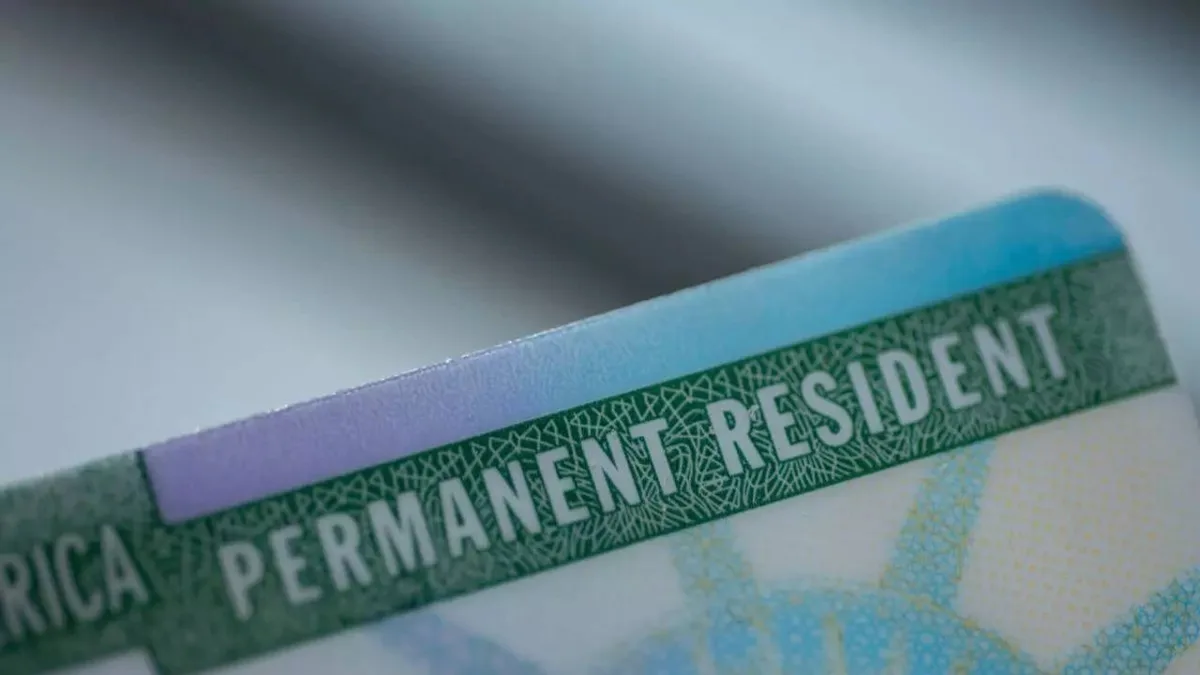
The policy will formally take effect on September 18, 2026, when immigrants applying for green cards will have to demonstrate they are unlikely to rely on public benefits in order to obtain permanent residency [1, 2, 3, 4, 5, 6, 7].