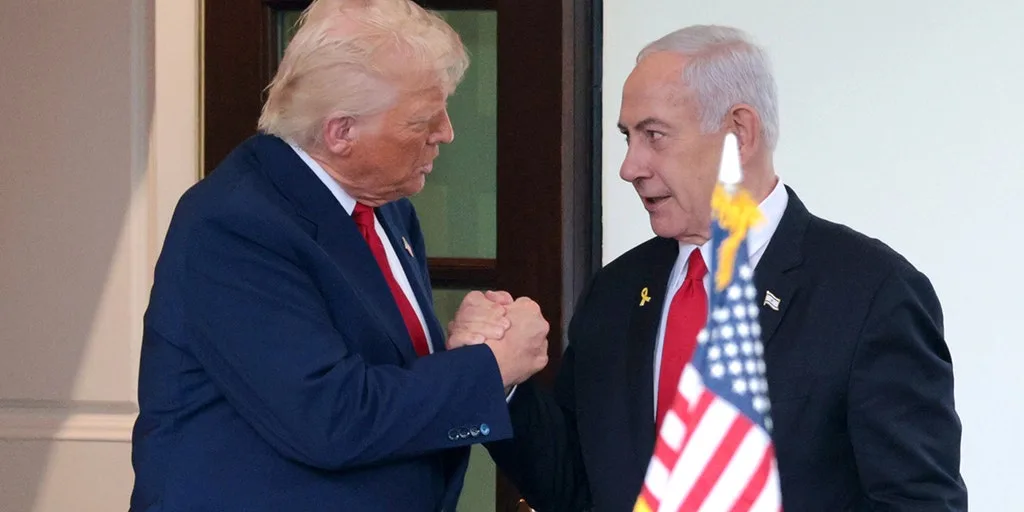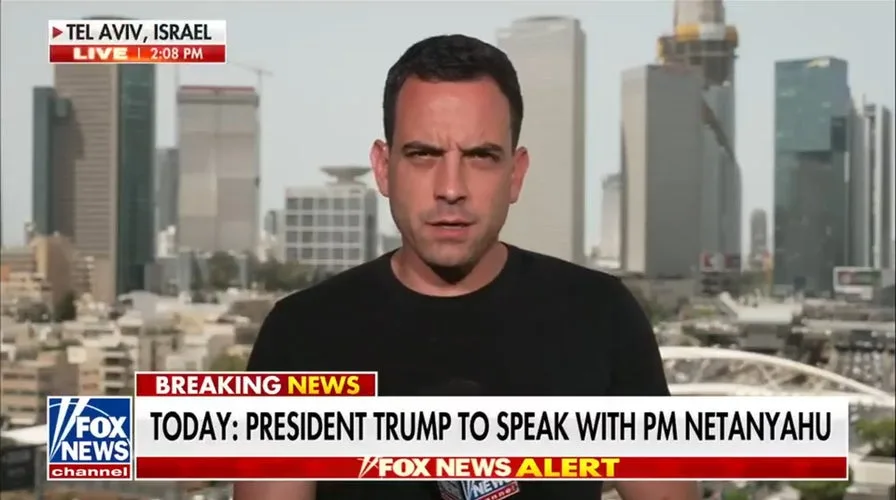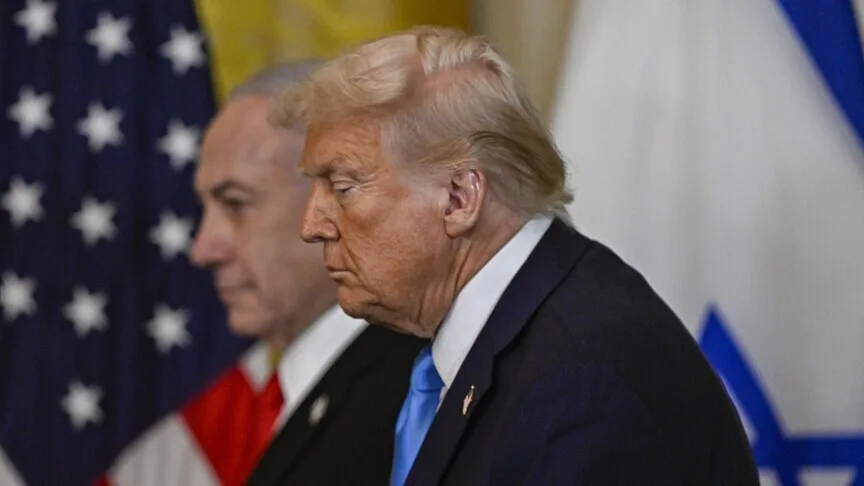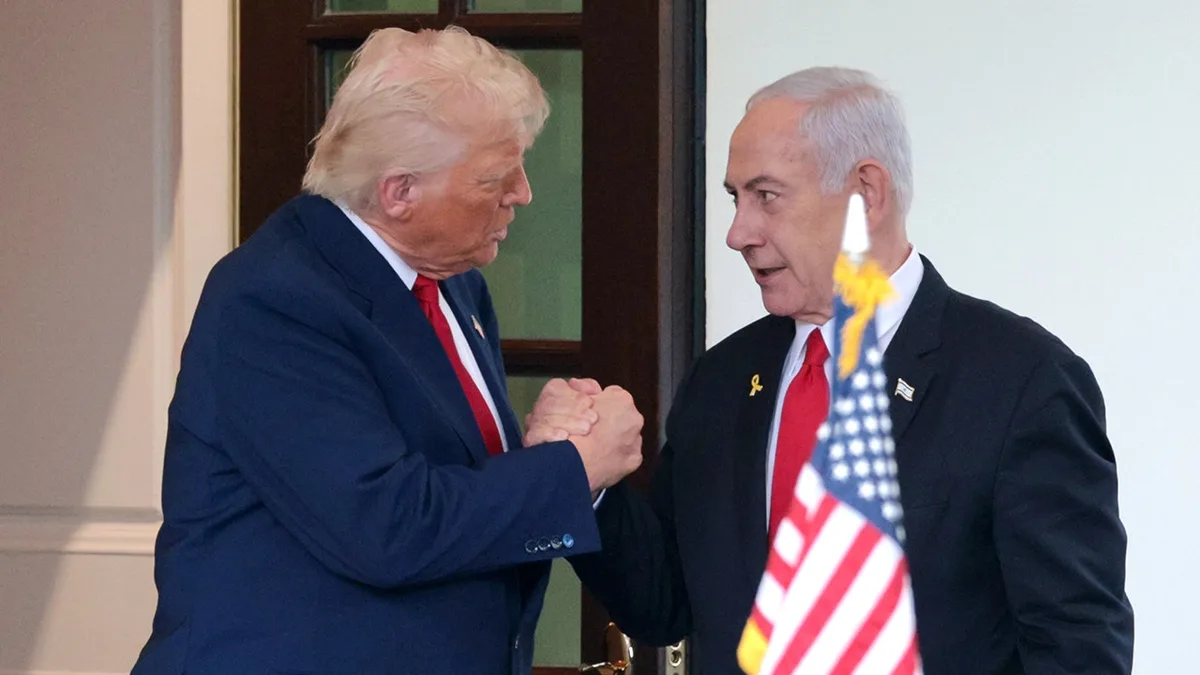
Israeli Prime Minister Benjamin Netanyahu and US President Donald Trump held a phone call on Sunday to discuss the possibility of renewing military fighting in Iran, with the call lasting over 30 minutes and ending shortly before Israel’s Security Cabinet meeting [1, 2].
During the call, Trump briefed Netanyahu on the outcome of his May 13-15 visit to China, highlighting potential implications for US and Israeli policy [1, 2]. Netanyahu said, "Our eyes are also open regarding Iran. I will speak today, as I do every few days, with our friend President Trump. I will certainly hear impressions from his trip to China, and perhaps other matters as well. There are certainly many possibilities, and we are prepared for every scenario" [2].
Trump posted a warning on his Truth Social platform saying, "For Iran, the Clock is Ticking, and they better get moving, FAST, or there won’t be anything left of them. TIME IS OF THE ESSENCE!" [1].
A ceasefire that took effect on April 8 between the US and Israel on one side, and Iran on the other, failed to produce a lasting agreement despite Pakistani mediation. Trump extended the truce indefinitely but signaled potential reconsideration following the phone call [1].
Recent intelligence assessments characterize Iran’s approach as a strategy of "deception and delay" designed to complicate any resumption of hostilities [2]. Iranian officials reportedly consider the 2026 World Cup and the US 250th anniversary as factors in their timing strategy, according to medium-confidence sources [2].
Reports indicate Iran is facing worsening economic conditions including signs of an emerging fuel crisis, shortages, rising prices, and increased unemployment [2].
Israel’s Security Cabinet meeting, which occurred shortly after the call, was expected to address the Iranian situation along with developments in Lebanon [1]. The evolving security discussions signal intensifying coordination between Washington and Jerusalem regarding Iran.
The next steps include further deliberations by Israel’s government and monitoring of Iran’s actions as diplomatic and military options remain under review.