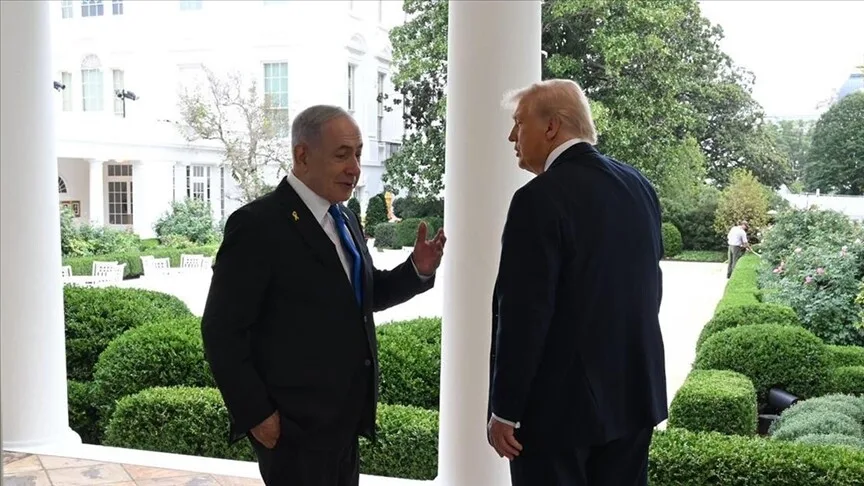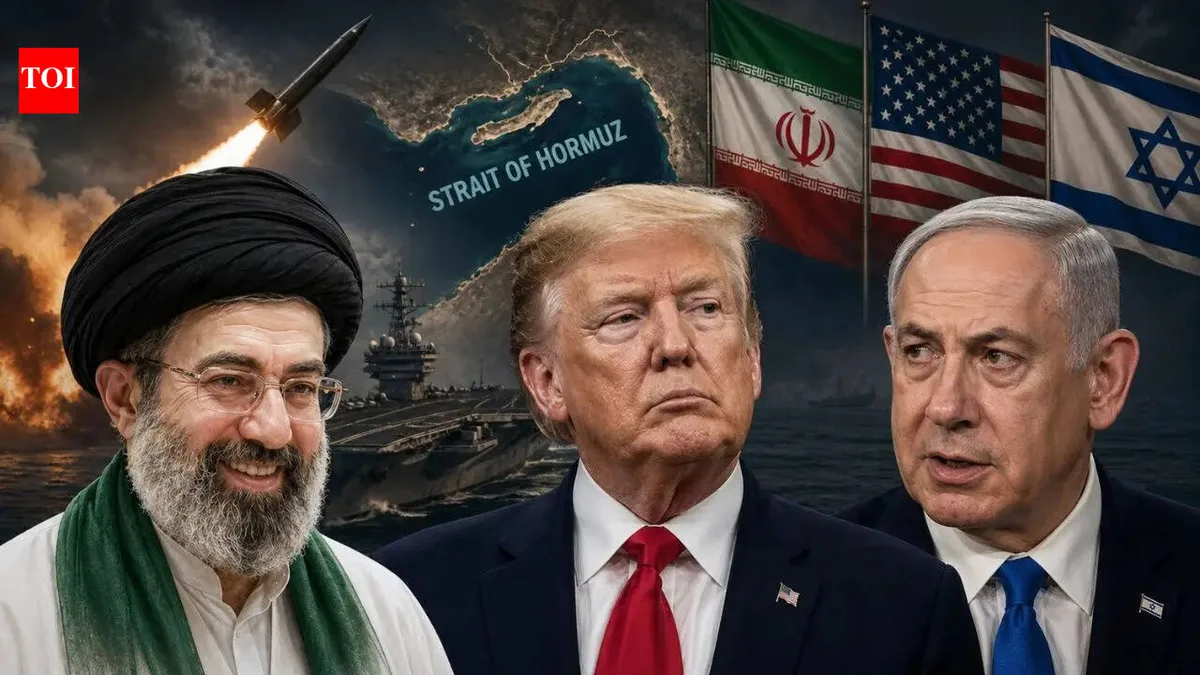
US President Donald Trump and Israeli Prime Minister Benjamin Netanyahu spoke on May 19 about a revised peace proposal designed to end the war with Iran. The call was described as tense, with Netanyahu said to have his "hair on fire," signaling strong frustration with the ongoing situation [1, 2].
The peace plan was crafted by Qatar and Pakistan, with backing from Saudi Arabia, Turkey, and Egypt as regional mediators. It calls for a 30-day negotiation period focused on Iran's nuclear program and reopening the Strait of Hormuz [1]. Trump said negotiations are in their "final stages" and raised the possibility of a "letter of intent" to pause hostilities and begin talks [1, 2].
Despite Trump's hope for a deal, Netanyahu pushed to resume military strikes aimed at weakening Iran's military and strategic infrastructure. Hostilities have been on pause since early April under an indefinite ceasefire extended by Trump [1, 2].Trump warned that if talks fail, military action remains an option, saying, "We’ll either have a deal or we’re going to do some things that are a little bit nasty." He added, "I'm in no hurry. I just, ideally, I'd like to see few people killed, as opposed to a lot" [1, 2].
Trump informed Netanyahu about potential targeted attacks on Iran under "Operation Sledgehammer" but said Gulf allies requested a pause on those strikes [1]. He downplayed divisions with the Israeli leader, saying, "Netanyahu will do whatever I want him to do. He's a very, very good man" and that they were "on the same page" regarding Iran [2].
The ceasefire that Netanyahu wants to end has been in place since early April. The Qatar delegation visited Tehran the week before the call to discuss the peace proposal [1, 2].
The next step is the possible signing of a letter of intent between the US and Iran to formally begin the 30-day negotiation period. Talks will focus on Iran’s nuclear program and security issues vital to the region’s stability [1].