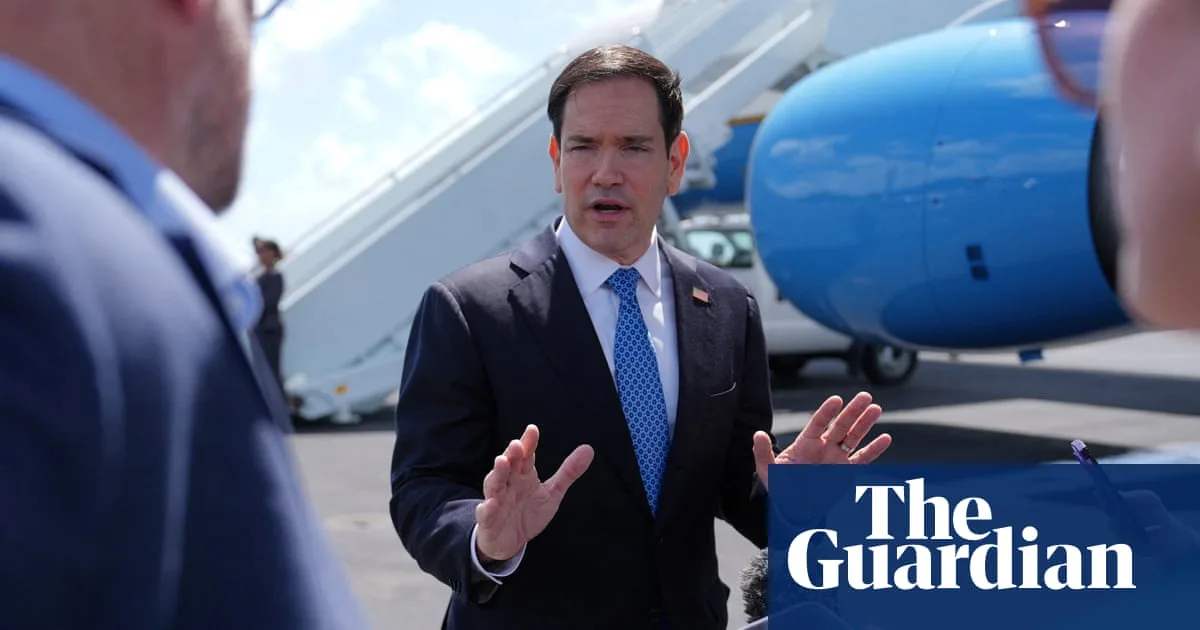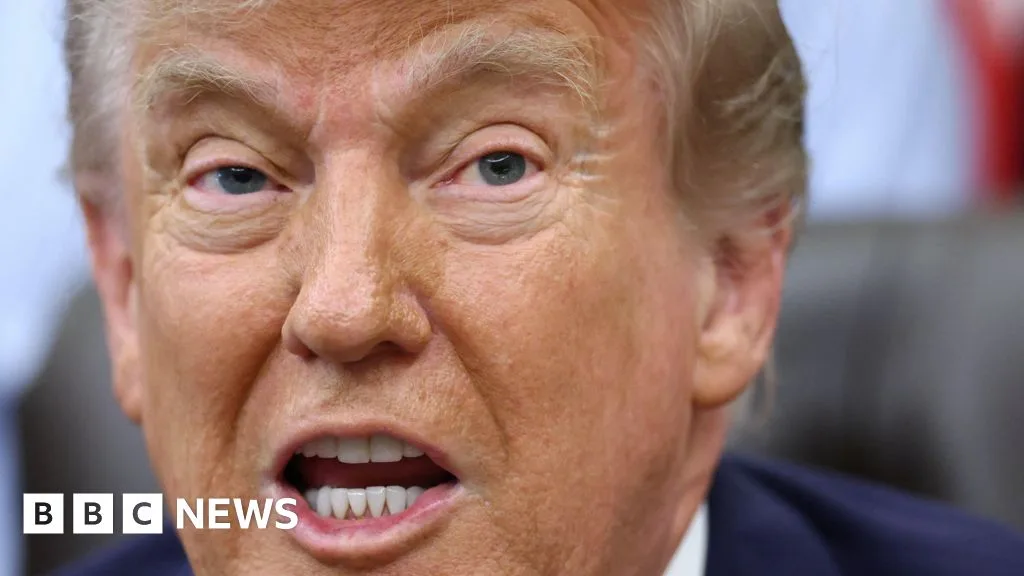
US President Donald Trump said he may be the first of several recent presidents to take military action against Cuba, stating, "Other presidents have looked at this for 50, 60 years, doing something. And, it looks like I’ll be the one that does it. So, I would be happy to do it" [1]. Trump and Secretary of State Marco Rubio reiterated that while they prefer a peaceful diplomatic agreement with Cuba, the chance of that happening with Cuba's current government is low. Rubio said, "[Trump’s] preference is always a negotiated agreement that’s peaceful. That remains our preference with Cuba. I’m just being honest with you... the likelihood of that happening... is not high" [1].
Rubio described Cuba as a national security threat because of its ties to US adversaries and alleged presence of Russian, Chinese, and Iranian agents on the island. The US intelligence community also claims Cuba has about 300 drones and discussed plans for strikes on US targets, including Guantanamo Bay and Key West. Reports mention Iranian military advisers working with Havana's government [2]. Cuba’s Foreign Minister Bruno Rodríguez strongly denied the accusations, saying, "The country neither threatens nor desires war; US is building a fraudulent case for military intervention" [2].
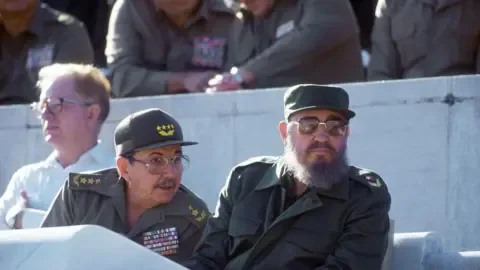
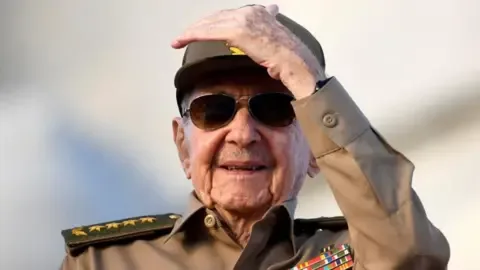
In May 2026, the US announced criminal charges against former Cuban President Raúl Castro, now 94 years old. The charges include murder related to a 1996 incident [1, 3, 4]. US officials including Rubio and CIA Director John Ratcliffe recently met with Cuban officials, but were unimpressed and responded by increasing sanctions, targeting Venezuela's oil shipments to Cuba and companies doing business there [1, 5, 4]. US flight-tracking data shows more military aircraft and surveillance near Cuba, seen as a move to maintain pressure [2].
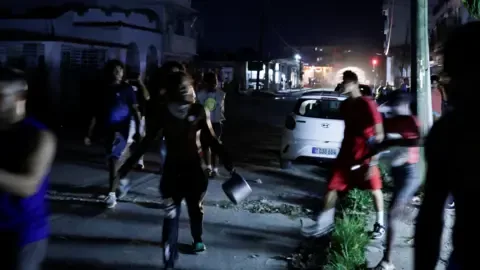
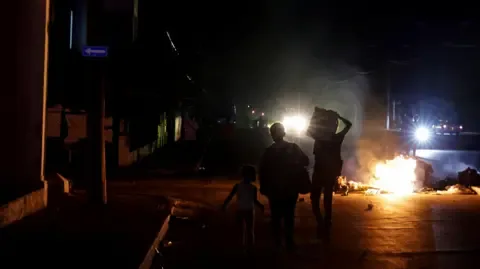
Despite the rising tensions, Trump denied that US aircraft carrier deployments near Cuba are meant to intimidate the Cuban government. He emphasized a humanitarian focus to help the Cuban people, including allowing Cuban-Americans to invest and aid Cuba. Trump stated, "No, not at all... it’s a failed country. Everybody knows that they don’t have electricity, they don’t have money... They don’t have food, and we’re going to help them along" and added he wants to assist Cuban Americans living primarily in Florida [6]. Rubio offered $100 million in food and medicine aid to Cuba on the condition that it would be distributed by charitable groups, blaming Cuba's elites for the crisis rather than US embargoes [3].
The US has been tightening economic and political pressure on Cuba since early 2026, including restricting Venezuelan oil shipments and threatening tariffs on fuel suppliers. Secondary sanctions have targeted firms doing business with Havana [4]. Trump and Rubio reiterated the possibility of military action if diplomacy fails during May 21-22 briefings [1, 5, 3]. The administration’s next concrete steps include monitoring the effectiveness of intensified sanctions and continuing diplomatic and intelligence engagements with Cuba.