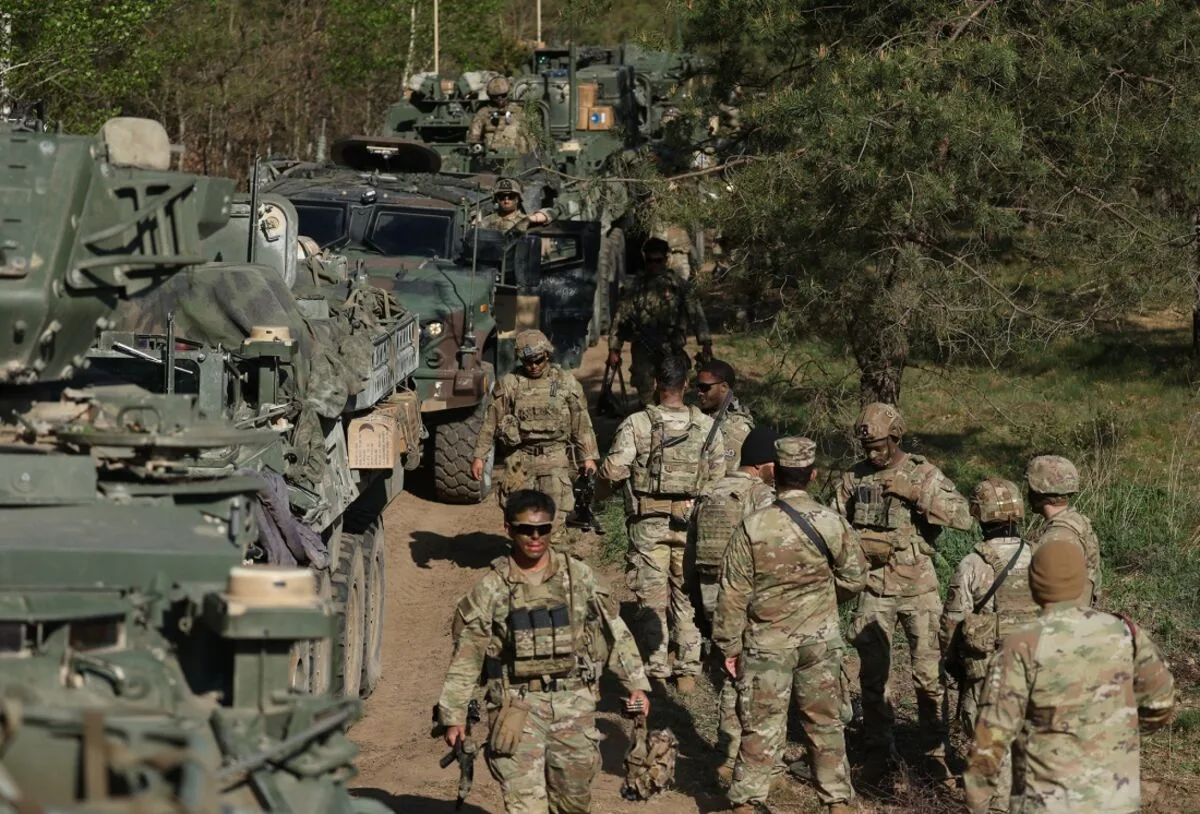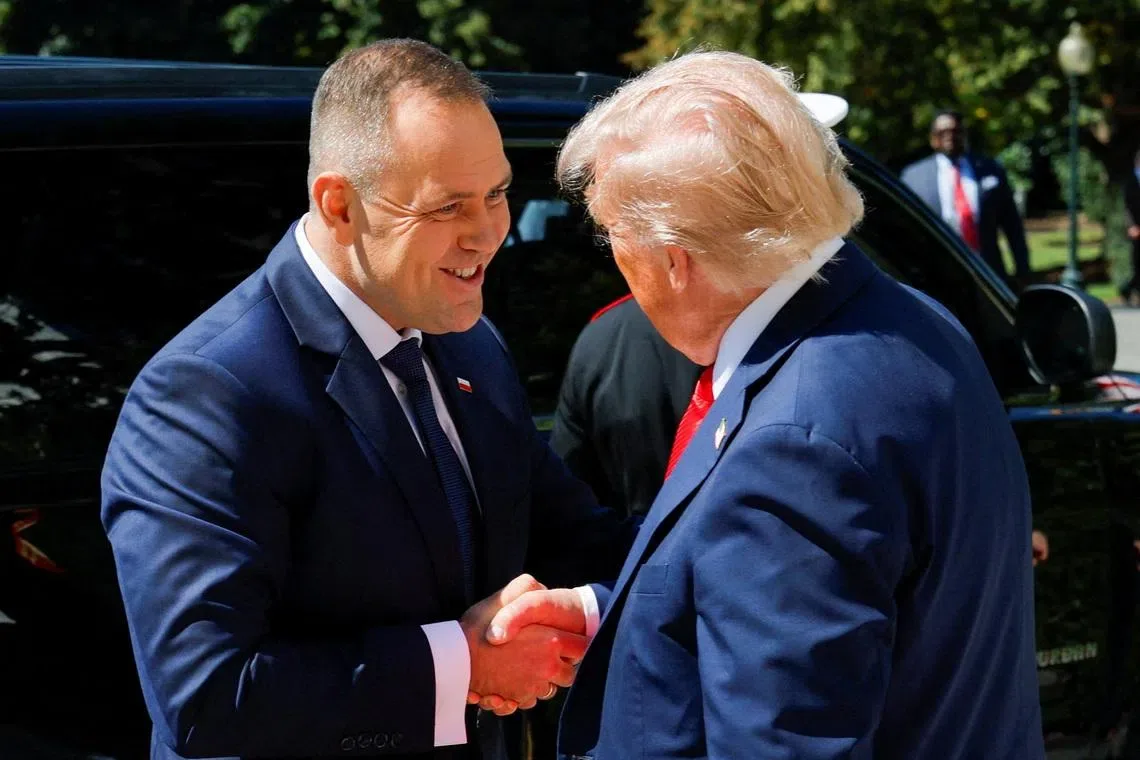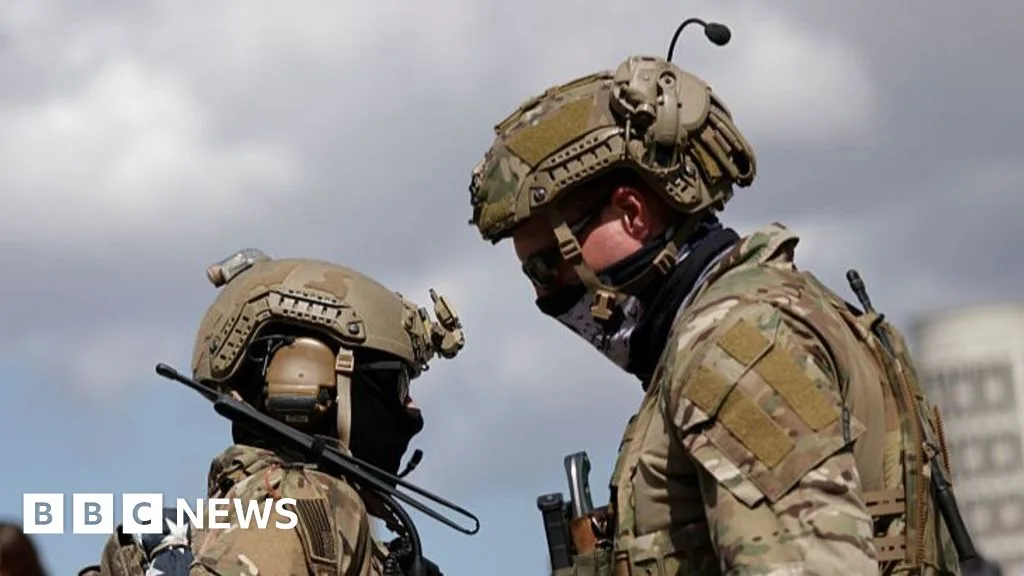
US President Donald Trump announced on May 21 that the United States will send an additional 5,000 troops to Poland, reversing an earlier Pentagon decision to cancel a planned deployment of about 4,000 troops to the country [1, 2, 3, 4]. Trump cited his relationship with Poland's nationalist President Karol Nawrocki as a key reason for the troop increase. Trump said on Truth Social, "Based on the successful Election of the now President of Poland, Karol Nawrocki, who I was proud to Endorse, and our relationship with him, I am pleased to announce that the United States will be sending an additional 5,000 Troops to Poland" [5].
The initial deployment of 4,000 troops faced conflicting reports about its status. The Pentagon announced the cancellation around May 14, but US Vice President JD Vance said on May 19 the deployment was only delayed, not cancelled, stating, "The deployment of the 4,000 troops had been delayed, not cancelled" [1, 2, 4, 6, 7, 5, 8, 9]. Trump did not clarify whether the new 5,000 troops will be part of the original planned forces or a separate contingent [1, 6, 7].
The announcement follows the US decision in early May to withdraw 5,000 troops from Germany amid tensions between Trump and German Chancellor Friedrich Merz [1, 2, 4]. Before the withdrawal, about 36,000 US troops were stationed in Germany. Additionally, about 12,000 US troops are in Italy and 10,000 in the UK [1].
NATO and Polish officials welcomed the troop increase but called for coordination. Polish President Nawrocki thanked Trump, saying, "Good alliances are those based on cooperation, mutual respect, and a commitment to our shared security. I thank U.S. President Donald J. Trump for his friendship toward Poland and for the decisions whose practical dimension we see very clearly today" [8]. Polish official Radosław Sikorski said US troop levels in Poland "will be maintained more or less at previous levels... All is well that ends well" [10].
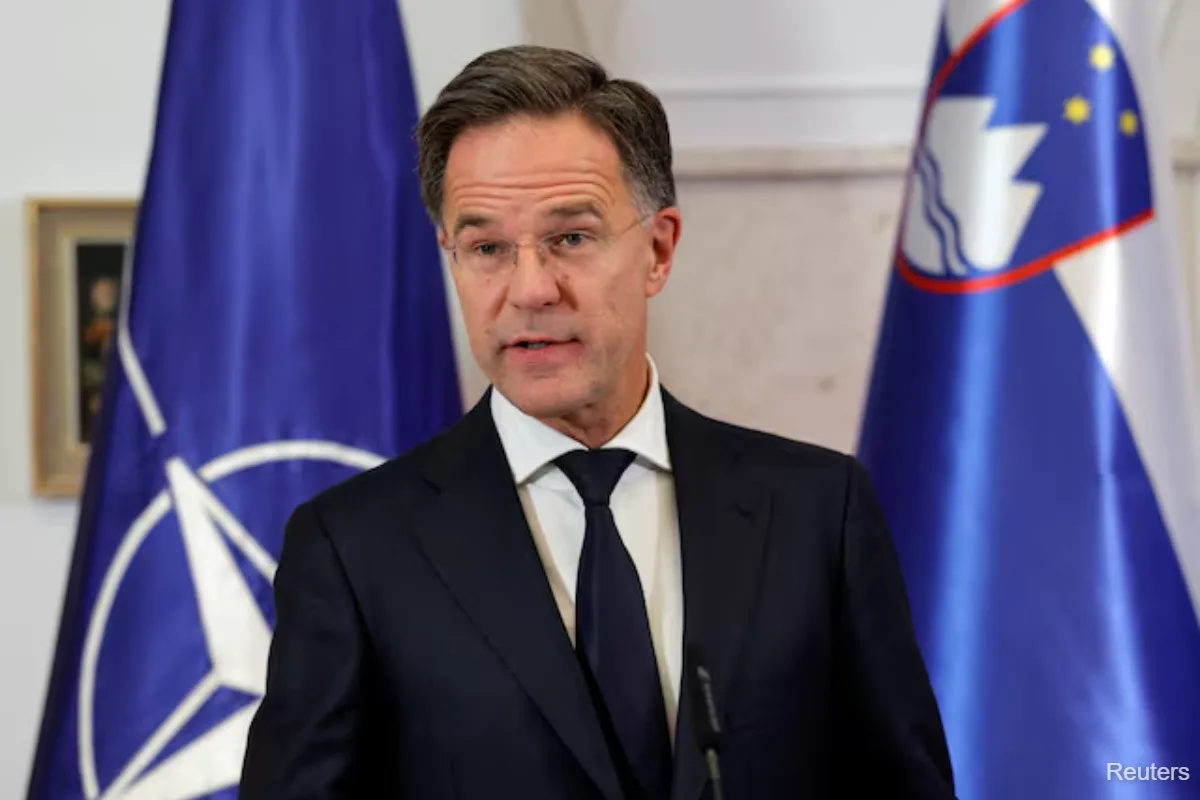
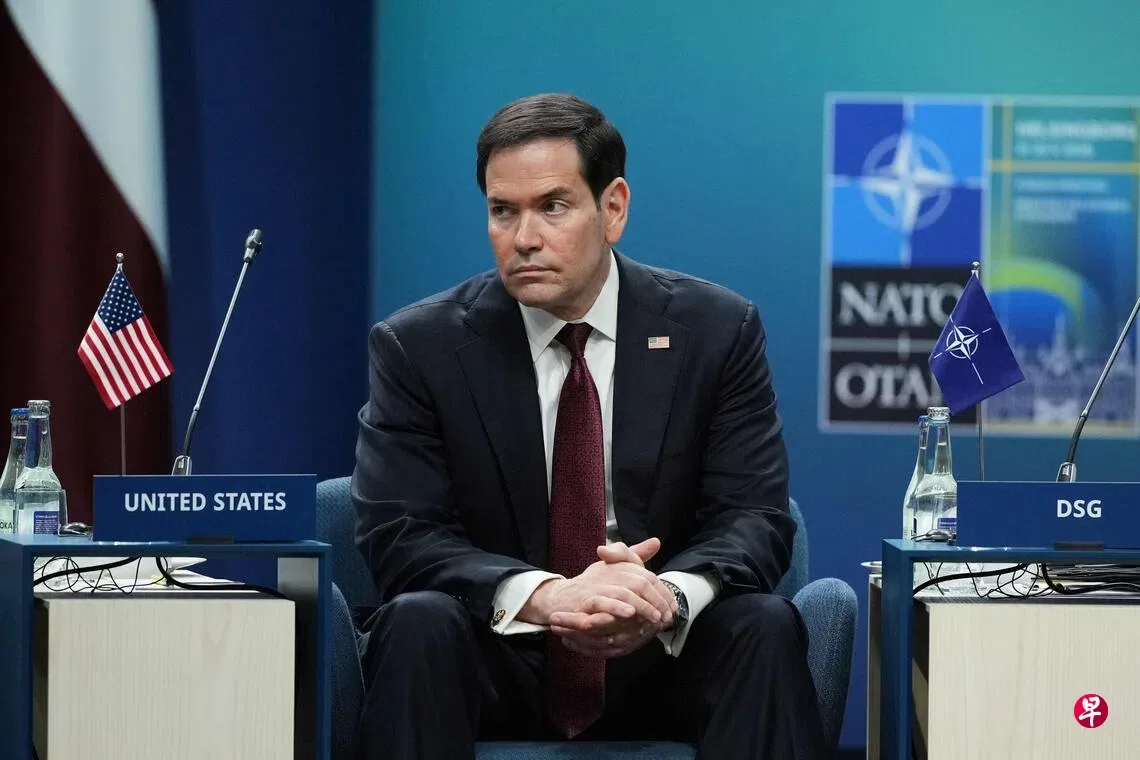
European NATO members expressed confusion over US troop deployment messaging and sought clarification during a NATO foreign ministers meeting in Helsingborg, Sweden, on May 22. Swedish Foreign Minister Maria Malmer Stenergard remarked, "It is confusing indeed, and not always easy to navigate" [10, 11, 12, 4]. US Secretary of State Marco Rubio explained the US troop decisions "were not punitive, but due to Washington constantly needing to reexamine deployments to meet global needs" [12].
Trump has remained critical of NATO allies for insufficient support related to the US-led war involving Iran [1, 2, 12, 4, 7]. The NATO ministers meeting on May 22 aimed to address those tensions and the troop movements. Following the meeting, Nawrocki publicly thanked Trump for the additional troops [8, 10].