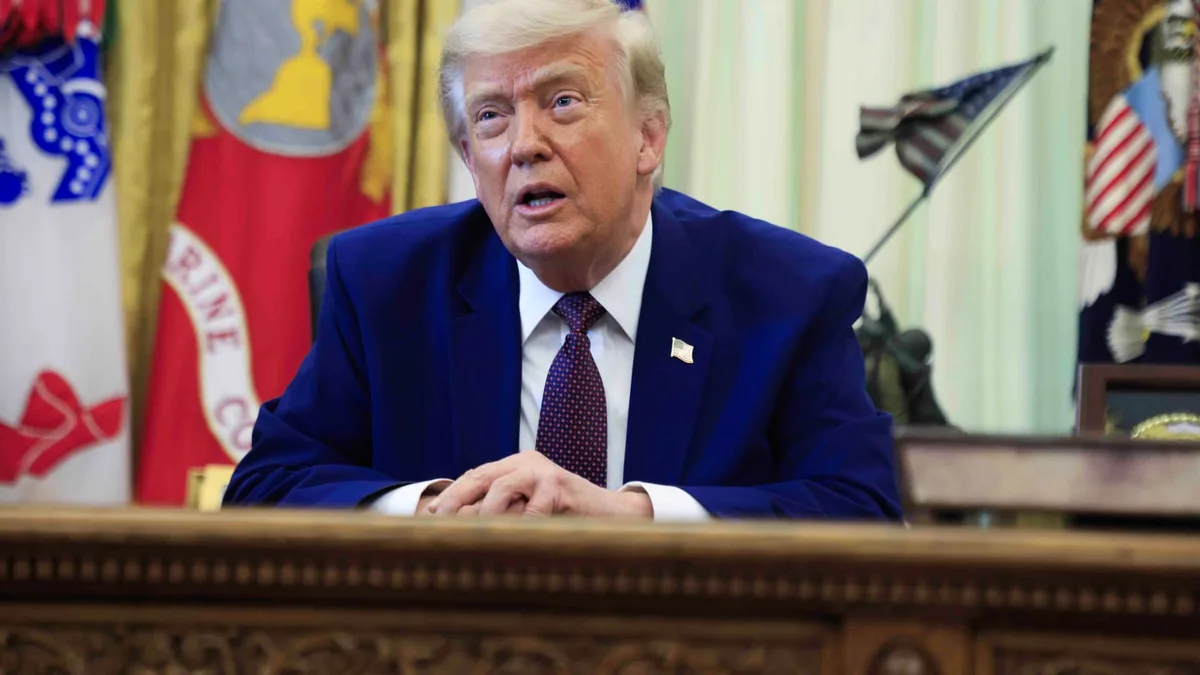
US President Donald Trump announced on June 11, 2026, that he intends to take over Iran’s Kharg Island, a crucial hub handling about 90% of Iran’s crude oil exports, as part of escalating military actions against Tehran [1, 2, 3, 4, 5]. Trump said the United States would strike Iran "very hard tonight," signaling intensified attacks on June 11 [1, 3, 6, 5]. He added that an operation to seize Kharg Island and other Iranian oil infrastructure would occur "at some point in the not too distant future" [3, 4, 5]. Trump stated, "My preference has always been - take Kharg Island ... my preference would be that. I don't know that America has the stomach for it" [1].
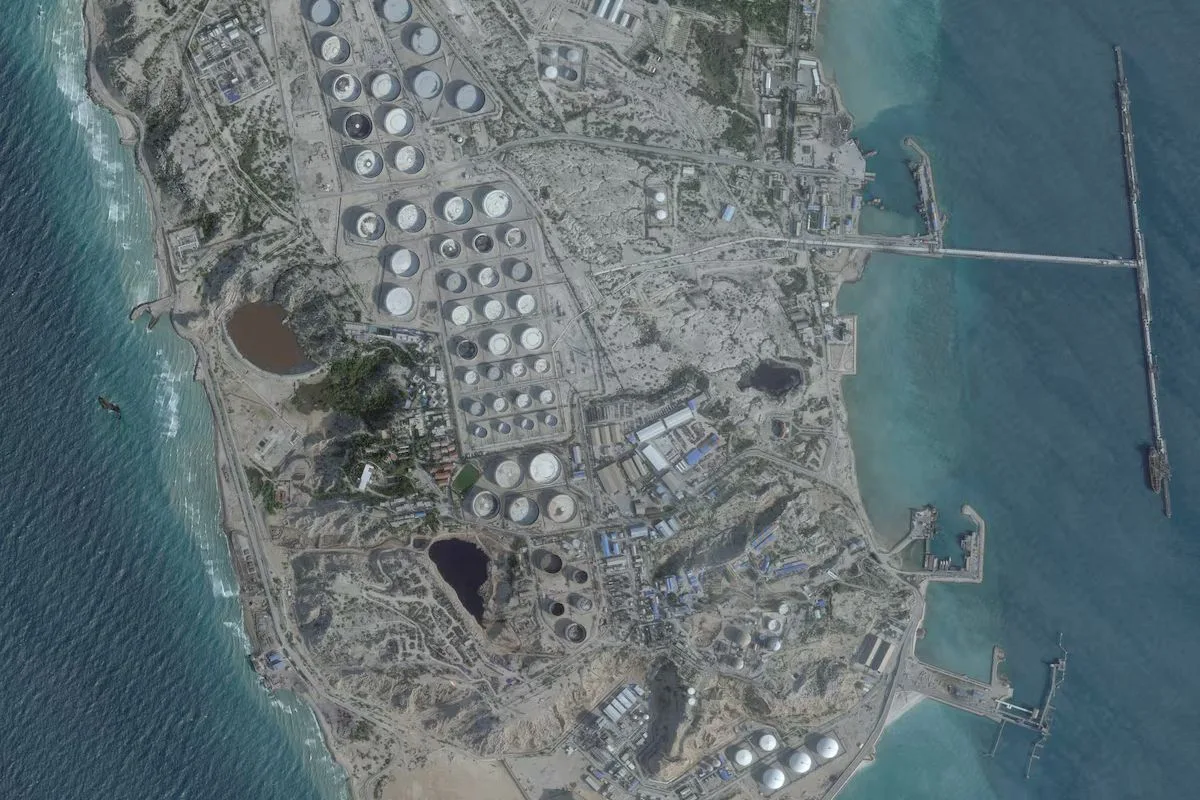
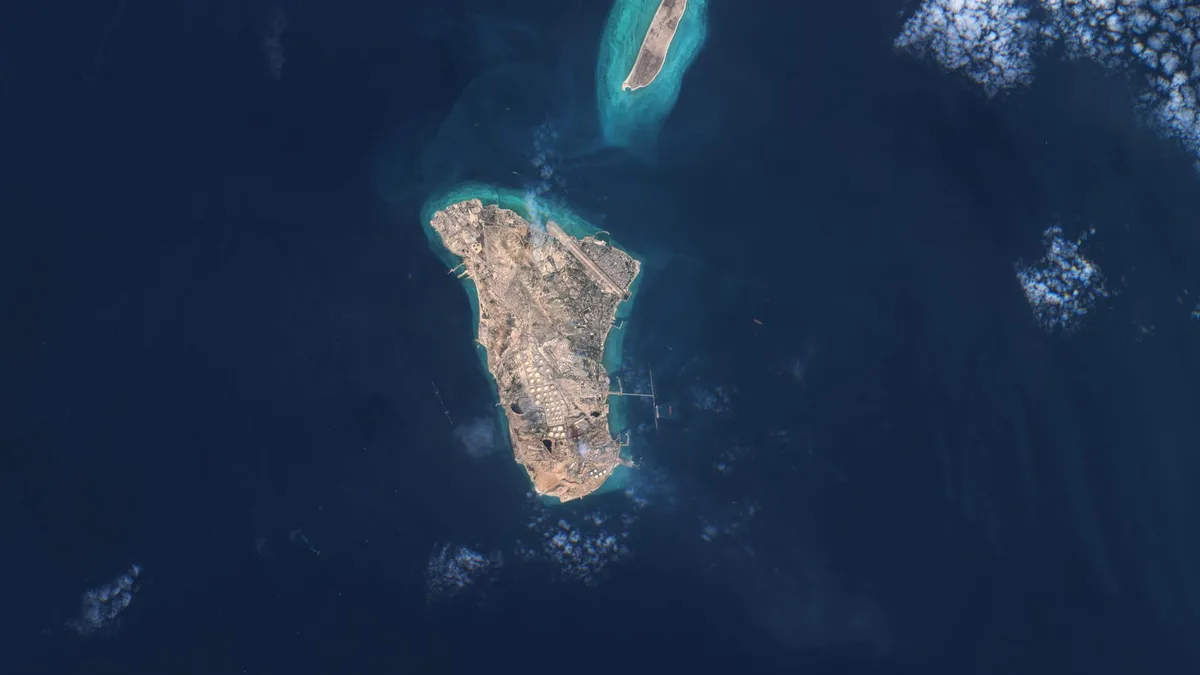
Kharg Island lies approximately 15 to 26 kilometers off Iran's coast and serves as a major oil terminal with a capacity of up to 6 to 7 million barrels per day. It allows large oil tankers to dock, making it a critical facility for Iran’s energy exports [2, 4, 7]. US forces previously targeted Kharg Island’s military sites but spared its oil infrastructure in strikes during March and April 2026, shortly after the February 28 start of the US-Iran war [2, 4, 7].
Despite the threats, Trump later said seizing Kharg Island would be off the table if a peace deal between the US and Iran is signed soon. "If we sign this agreement, it would be (off the table)," he said after negotiations mediated by Pakistan indicated a ceasefire and possible peace deal could be signed "as early as this weekend" in June 2026 [8, 9, 10, 5].
Iran condemned US strikes as illegal and criminal and responded with missile and drone attacks on US bases [9]. Mohammad-Bagher Ghalibaf, Iran’s chief negotiator, warned that "wrong strategies and impulsive decisions will reset the entire board of the worse, explode energy infrastructure and markets and create an endless quagmire that you will be stuck in for years" [9].
Analysts from the Foundation for Defense of Democracies cautioned that seizing Kharg Island would likely extend the conflict rather than bring a decisive victory. "A seizure and occupation of Kharg Island is more likely to expand and extend the war than it is to deliver any sort of decisive victory," said Ryan Brobst and Cameron McMillan [2]. Conversely, US military sources say forces including Marine Expeditionary Units and the 82nd Airborne Division have the capability to conduct an air assault and occupy Kharg Island quickly [7].
The war began on February 28, 2026, with multiple US strikes on Kharg Island hitting military targets but sparing oil facilities in March and April [2, 7]. A fragile ceasefire mediated by Pakistan started in early April [9, 5]. On June 11, Trump announced intensified strikes and Kharg Island seizure plans but later canceled strikes in light of the ongoing peace talks [1, 8, 3, 6, 4, 9, 10, 5].
Negotiators will continue pursuing a peace agreement this weekend with the potential to avert a US attack on Kharg Island and end the conflict soon [9, 10, 5].