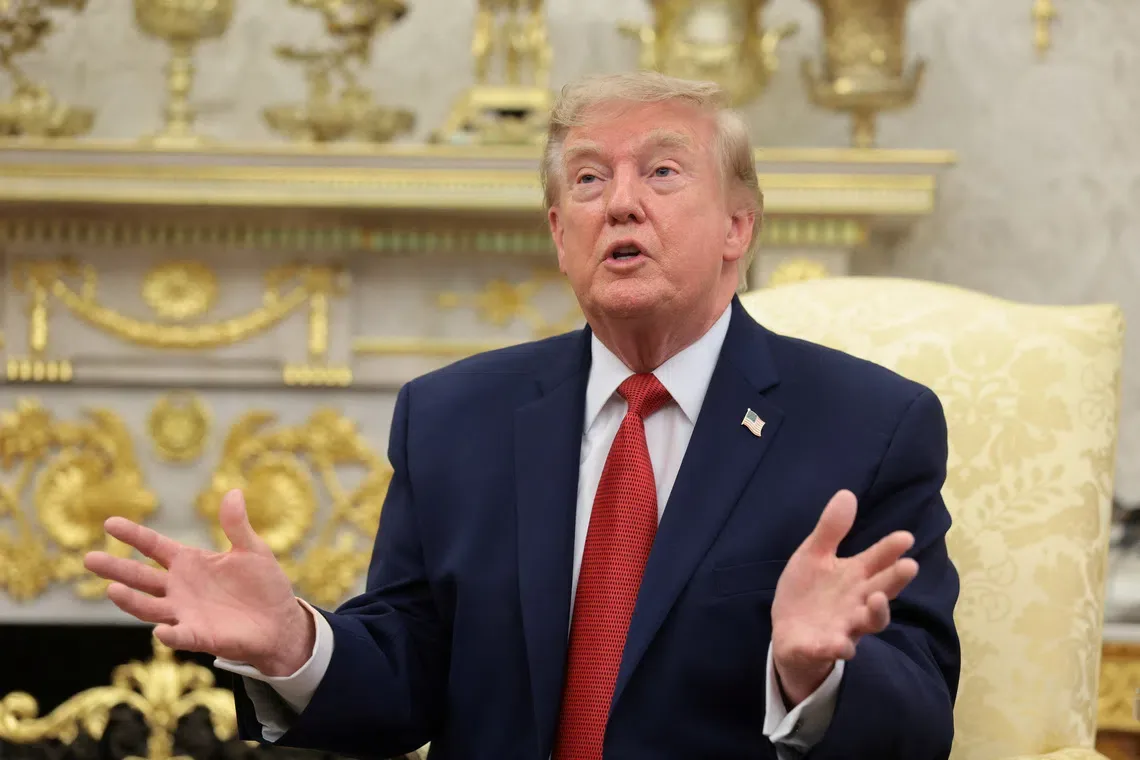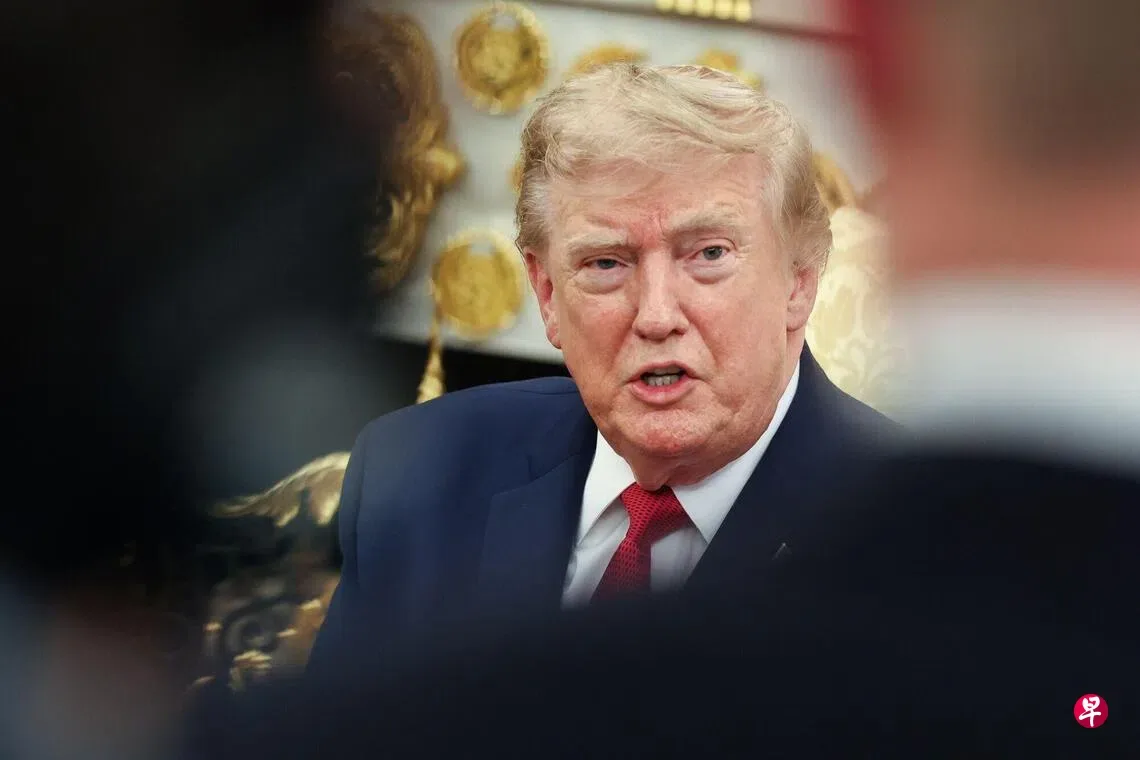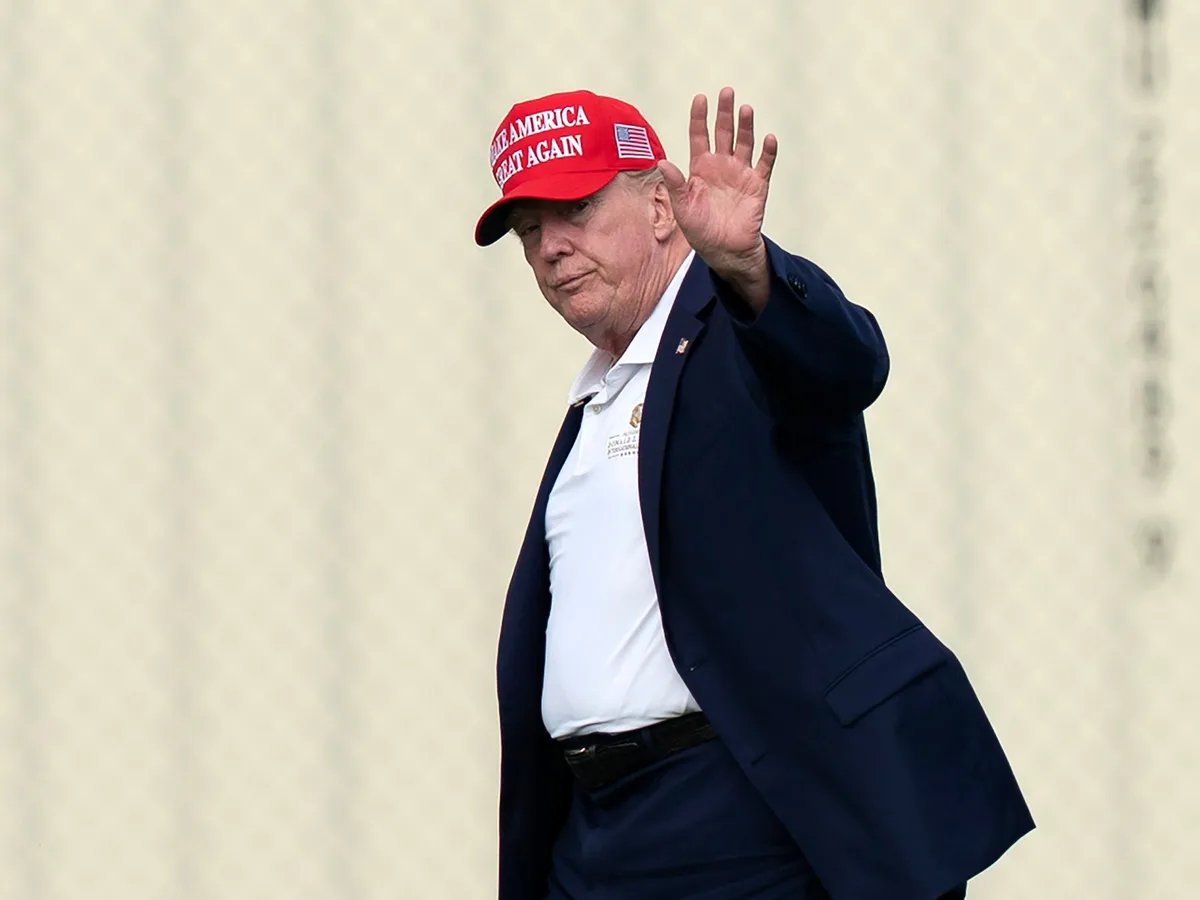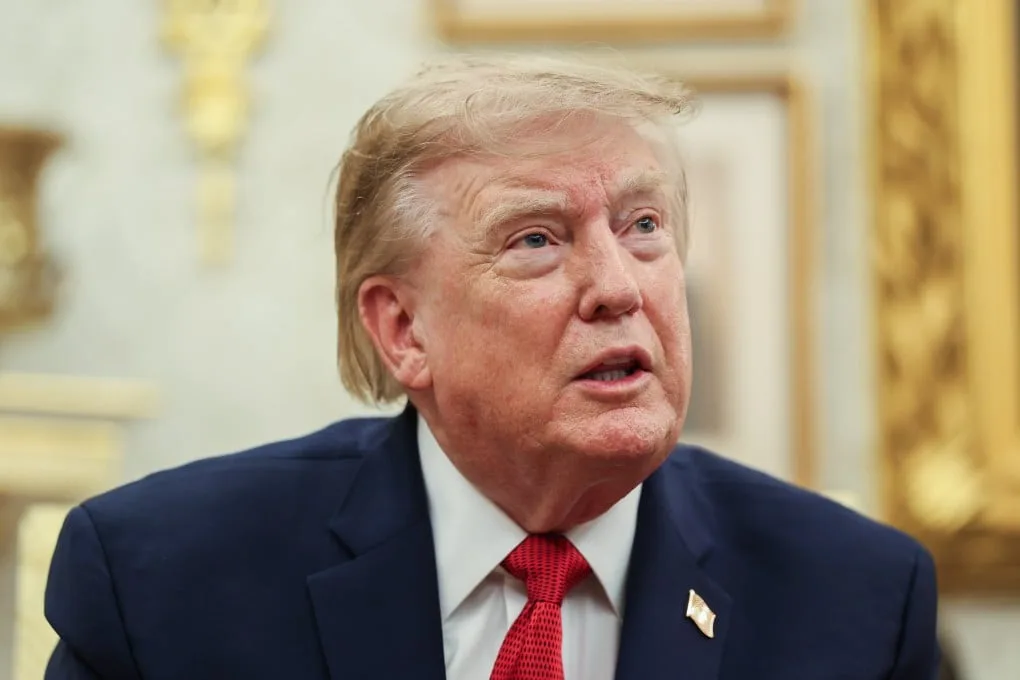
President Donald Trump's approval rating dropped to 33%, the lowest point of his current presidency and matching the low in December 2017 during his first term, according to a Reuters/Ipsos online poll conducted August 14-17 with 1,166 U.S. adults and a ±3 percentage point margin of error [1, 2, 3, 4, 5]. The rating declined from 35% earlier in August [1, 6, 7]. Meanwhile, 64% of Americans disapprove of Trump's performance in office [1, 6, 7].
The poll showed about 80% of Americans, including 87% of Democrats and 71% of Republicans, believe U.S. involvement in the war with Iran will continue for a long period. Only 16% expect the conflict to end in a few weeks [1, 6, 7]. However, some polls such as Financial Times/Focaldata and Quinnipiac find less than half of Republicans support continuing military action and report lower approval ratings among Republicans for Trump and the war [8, 5].
The ongoing conflict involving Iran and Israel has disrupted about one-fifth of global oil trade, causing gasoline prices to surge. This has placed financial pressure on U.S. households and added political pressure on Republicans defending majorities in the November midterm elections [1, 6, 7, 9, 2, 3]. Approximately 38% of voters favor Democrats' economic management compared with 35% for Republicans, marking a shift from past years [6, 3, 10, 11, 12, 4, 5]. Republicans retain a slight advantage on immigration policy approval, 40% to 38% for Democrats, the narrowest margin in Trump's time in office [3, 10, 11, 12, 4].
Trump addressed the issue in a rally around August 14, saying paying "a tiny little bit more for your gasoline" was worth preventing "a very evil country" from acquiring nuclear weapons [6, 9, 3]. He initially promised the Iran conflict would only last a few weeks and was necessary to stop Iran's nuclear ambitions [1, 6, 7, 9, 3].
The Reuters/Ipsos poll results follow a Financial Times/Focaldata poll from August 7-10 that showed a 35% approval rating for Trump and highlighted decreased Republican support for both Trump and the Iran war [8, 5]. Political analysts note the rising oil prices are creating challenges for Republicans ahead of the midterms [1, 6, 2].