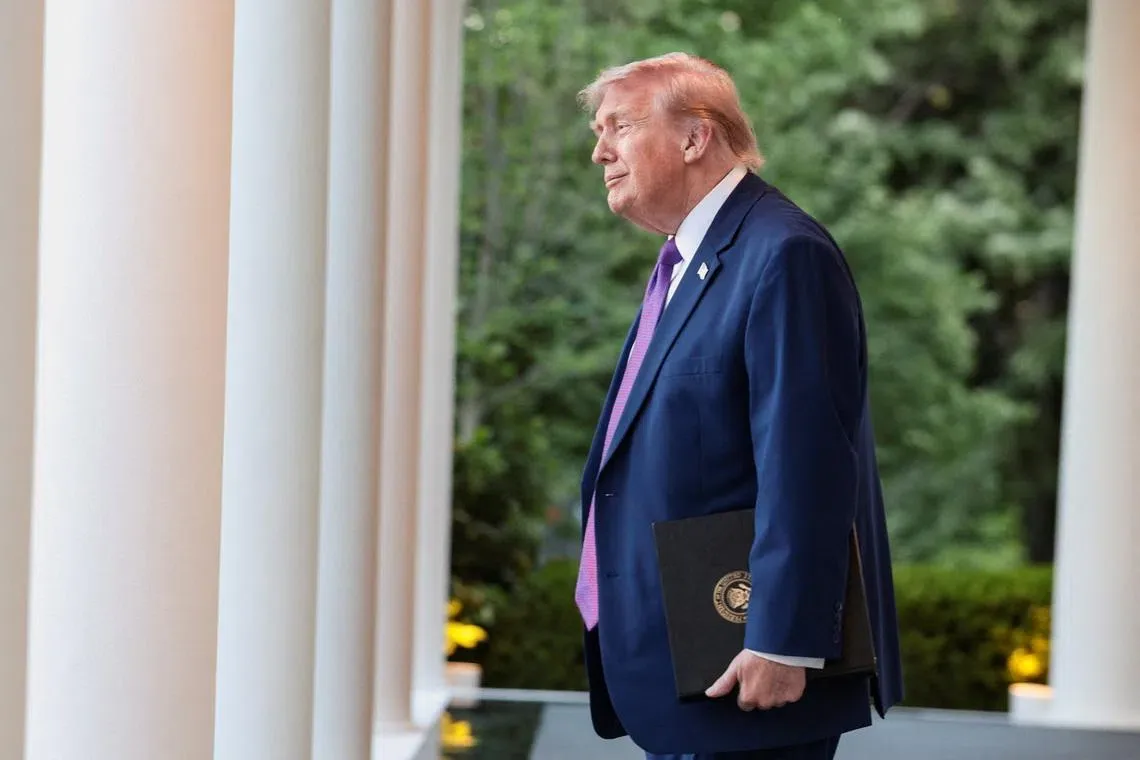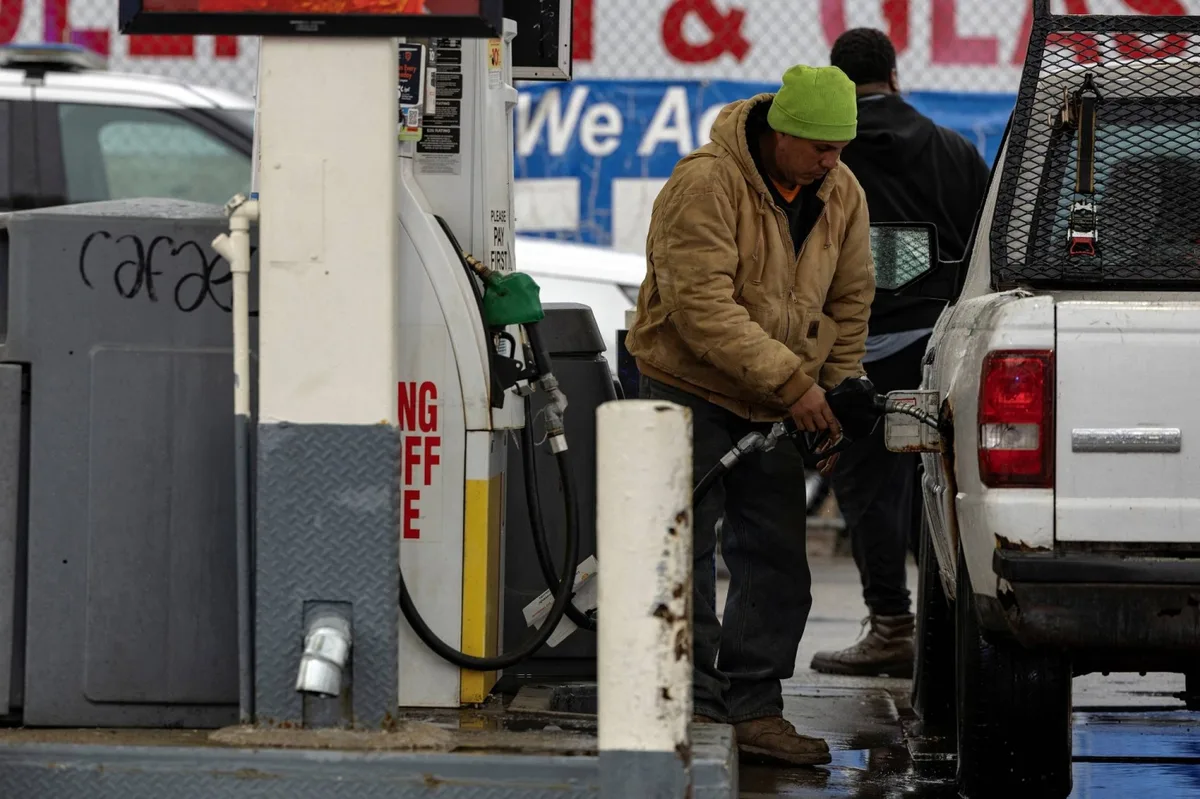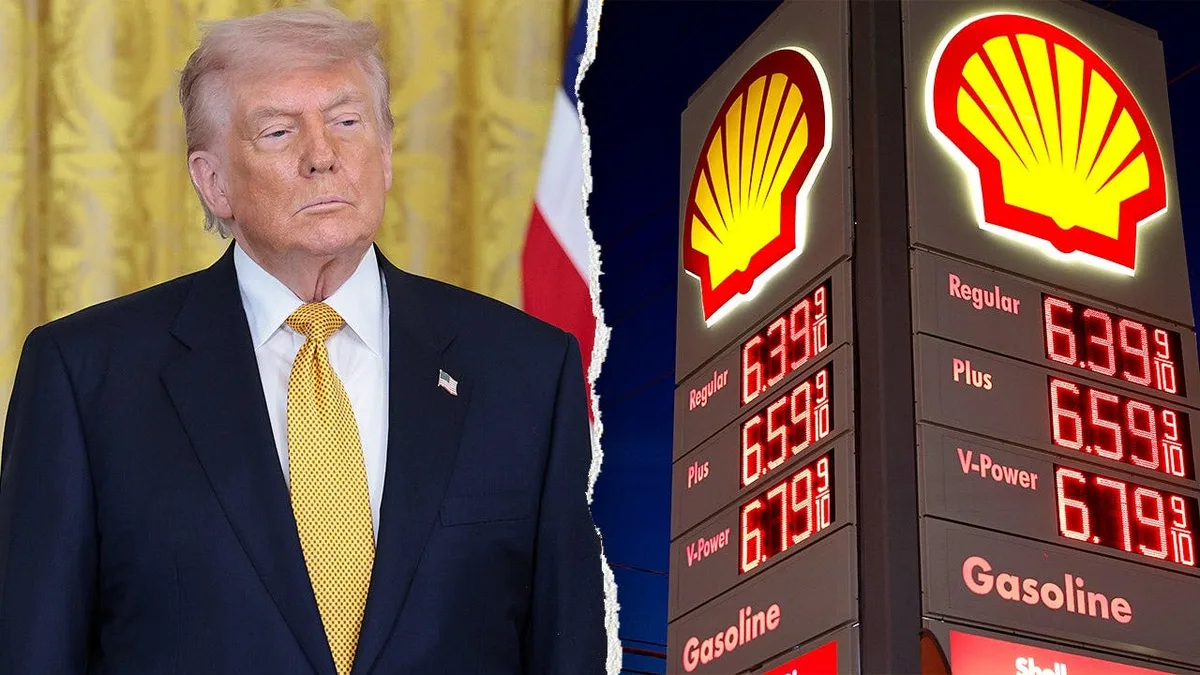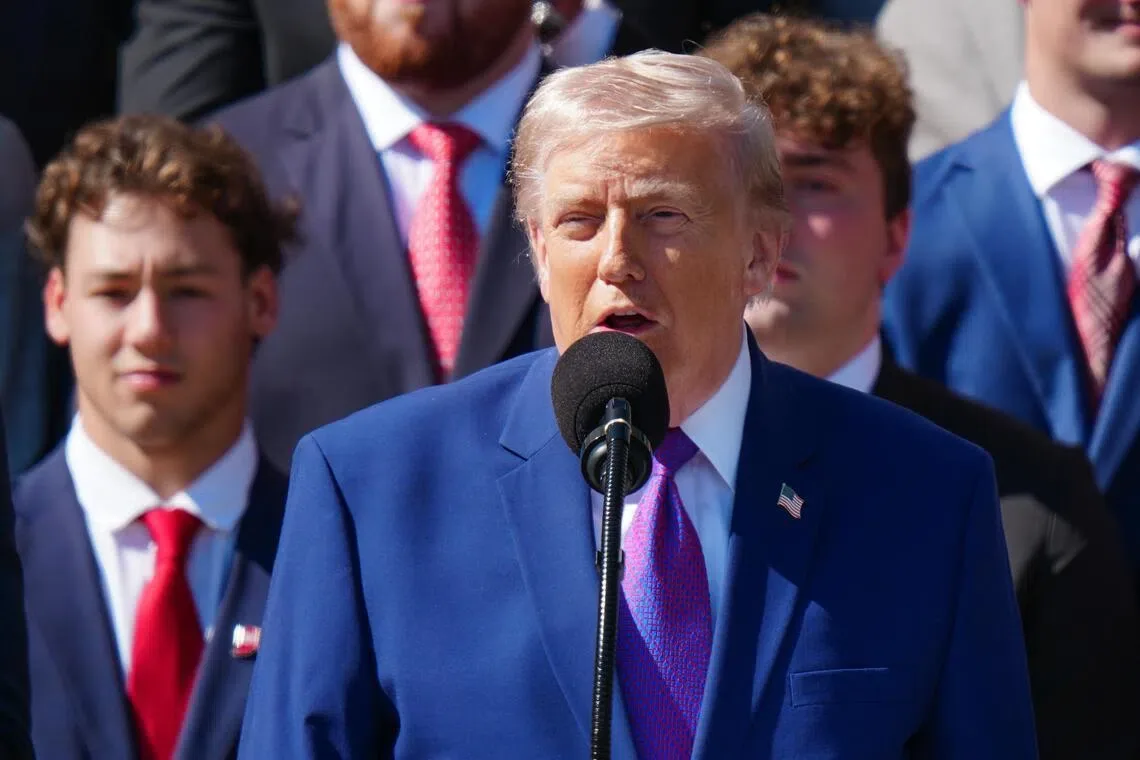
US President Donald Trump called for suspending the federal gasoline tax of 18.4 cents per gallon to reduce fuel prices amid ongoing conflict with Iran. He publicly voiced support during a May 11 White House event and said, "Yeah, I’m going to reduce [the gas tax] till it’s appropriate" [1, 2, 3].
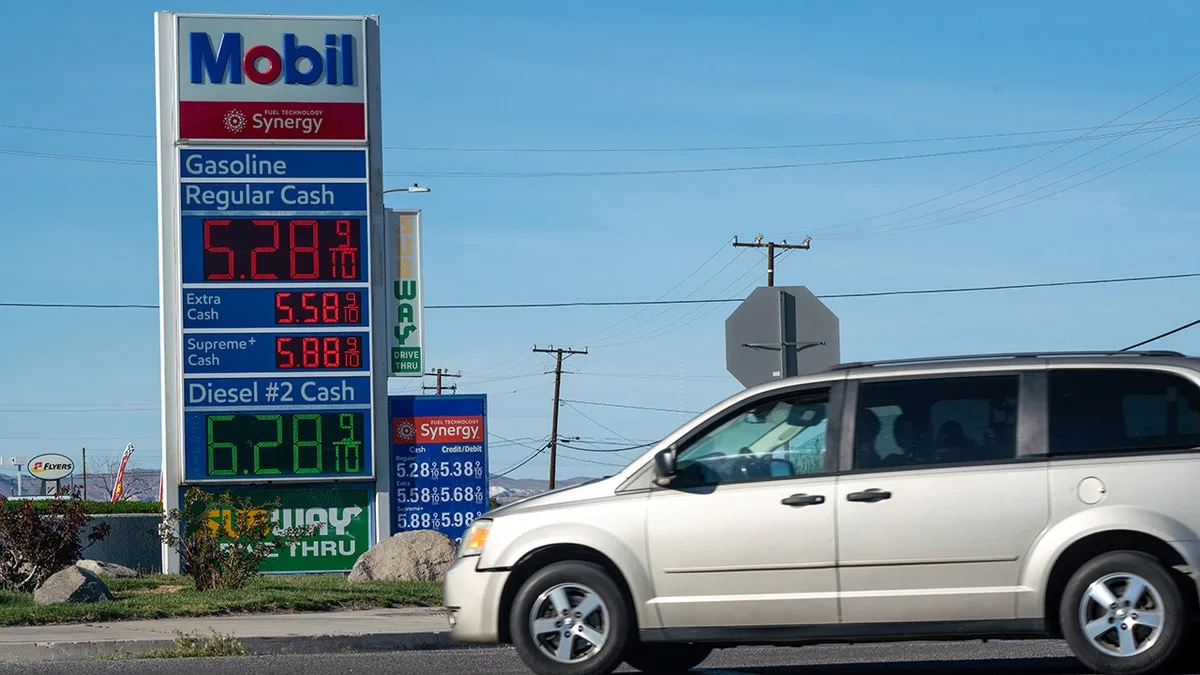
The move comes as US gas prices averaged about $4.50 per gallon in early May 2026, the highest level since 2022. The Iran war, which began February 28, 2026, has disrupted supply lines near the Strait of Hormuz, driving energy costs higher [1, 2, 3].
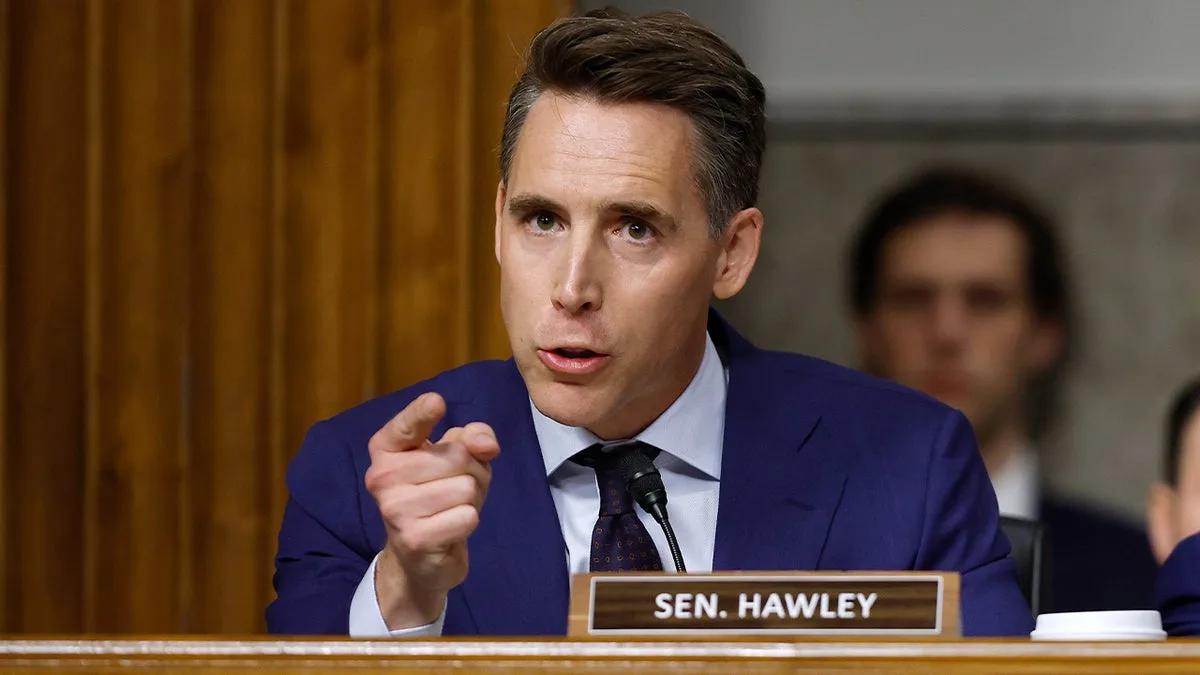
Senator Josh Hawley introduced legislation on May 11 to suspend both the federal 18.4-cent gas tax and the 24.4-cent diesel tax for 90 days. Trump’s backing of the bill adds pressure on Congress, though suspension requires legislative approval [1, 3]. Senate Majority Leader John Thune raised concerns that the gas tax funds about $2.5 billion monthly for road repairs [1].
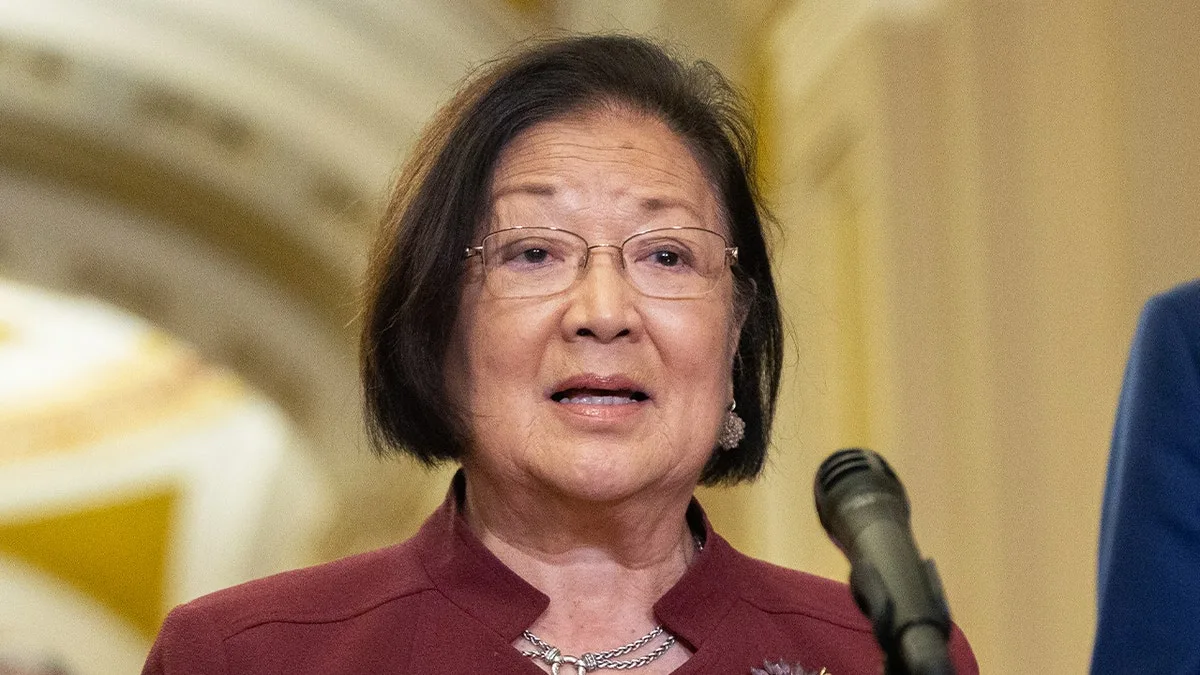
Democrats criticized the proposal as insufficient. Senator Chris Murphy said, "He’s got to bring this war to an end if he wants these gas prices to come down. And he’s gotta stop this war and stop looking for other gimmicks" [3]. Senator Mazie Hirono called the war illegal and faulted Trump for rising prices, saying he should end the conflict to ease costs [3].
Some Republicans suggested alternatives. Representative Don Bacon said higher gas prices raise grocery costs and expressed openness to the tax suspension [3]. Others argued expanding year-round access to E-15 ethanol-blended fuel would reduce prices more effectively than suspending the gas tax [3].
On May 12, Trump emphasized Iran’s nuclear threat over economic pain, saying, "The only thing that matters, when I’m talking about Iran, they can’t have a nuclear weapon... We cannot let Iran have a nuclear weapon. That’s all" [4]. Rising energy costs contributed to the largest US consumer inflation gain in three years in April 2026 [4].
The fuel crunch has also hit airlines. Spirit Airlines ceased operations on May 2, citing high jet fuel prices, and several low-cost carriers have requested bailouts [1].
The next step is congressional consideration of the proposed 90-day suspension of federal gas and diesel taxes introduced by Senator Hawley on May 11.