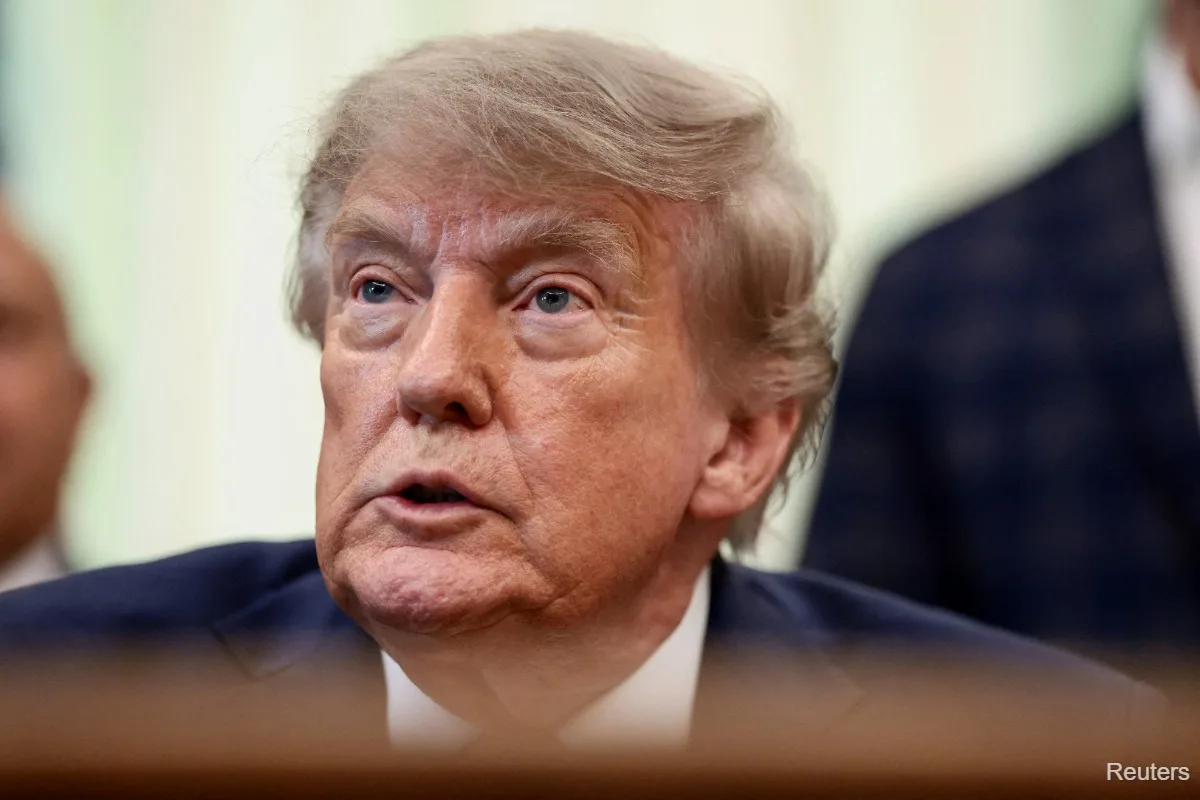
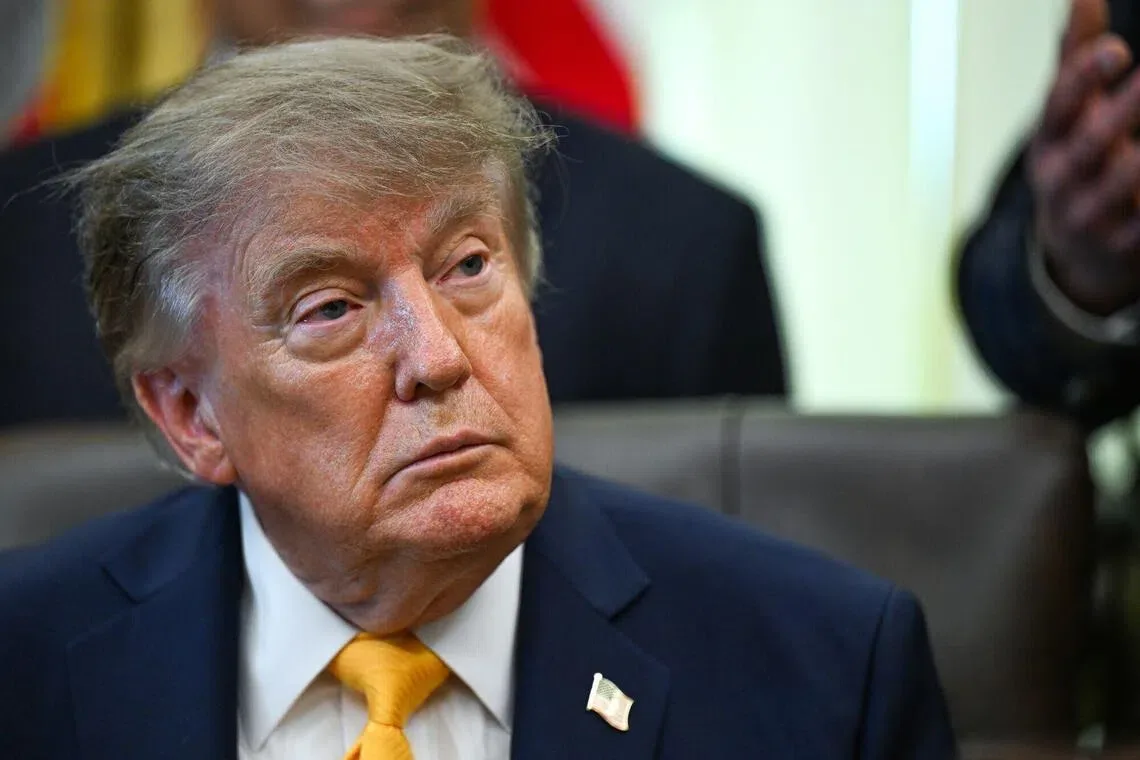
US President Donald Trump referred to the ongoing conflict with Iran as a "military conflict" and called it "small potatoes," saying it is "not a big thing" and that there is currently no active fighting. "We do intermittent strikes," he said, while asserting US control over the Strait of Hormuz [1, 2, 3, 4, 5].
Trump acknowledged the death toll of 18 US service members in the conflict, calling them "18 great souls" and stating, "one is too much." However, he compared this number to the tens of thousands of American deaths in the Vietnam and Afghanistan wars, adding, "What we’ve done is amazing. We took over Venezuela, and we have essentially taken over Iran" [1, 2, 4, 5].
Vice President JD Vance also downplayed the situation as a war, saying, "I wouldn’t call it a war. Right now, there is no active shooting. Major combat operations only lasted six weeks. I recognise there have been places where this has flared up" [1, 2, 3, 4, 5].
The US and Israel launched the war against Iran at the end of February 2026, and the conflict has now lasted more than six months [3, 5, 1, 2]. Secretary of Commerce Howard Lutnick drew criticism when he mistakenly said no American service members had died, later acknowledging he "misspoke" [1, 2, 4].
The conflict and the blockade of the Strait of Hormuz have triggered a significant energy crisis, with rising energy prices impacting Americans and raising concerns about the political consequences for Republicans ahead of the November midterm elections [3, 5, 1, 2].
Trump declined to directly answer when asked if the 18 US deaths were "small fry" but later stressed the losses were significant. He also boasted of US leadership in space during the same press conference [5].
Polling shows poor public approval for Trump’s handling of the Iran conflict amid these developments and economic impacts [1, 2, 4, 5]. The US continues to conduct intermittent strikes on Iran while maintaining control over the critical Strait of Hormuz, keeping the situation under close watch.