The US-Iran conflict has lasted more than six months, resulting in 18 US military deaths and contributing to rising gasoline prices in the US [1, 2, 3, 4, 5, 6, 7, 8].
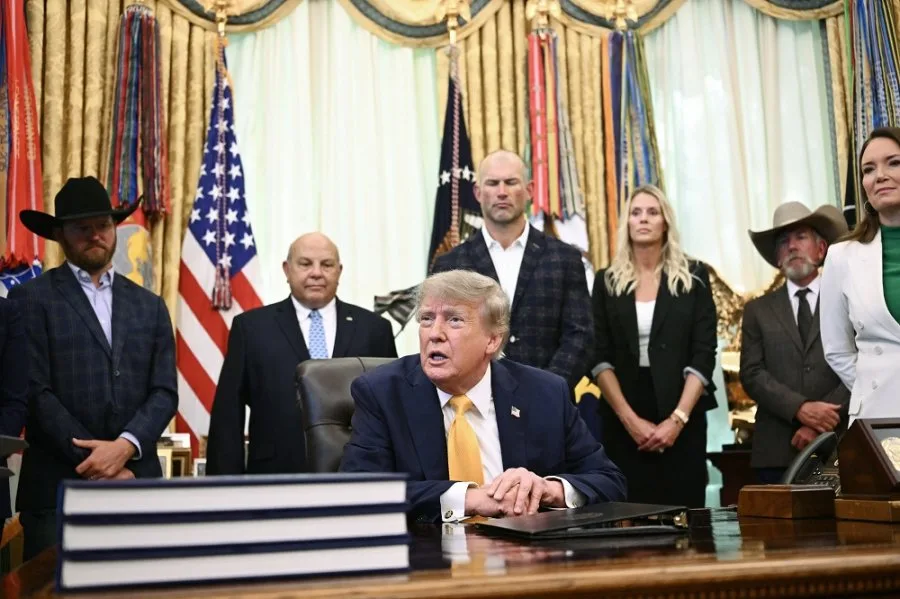
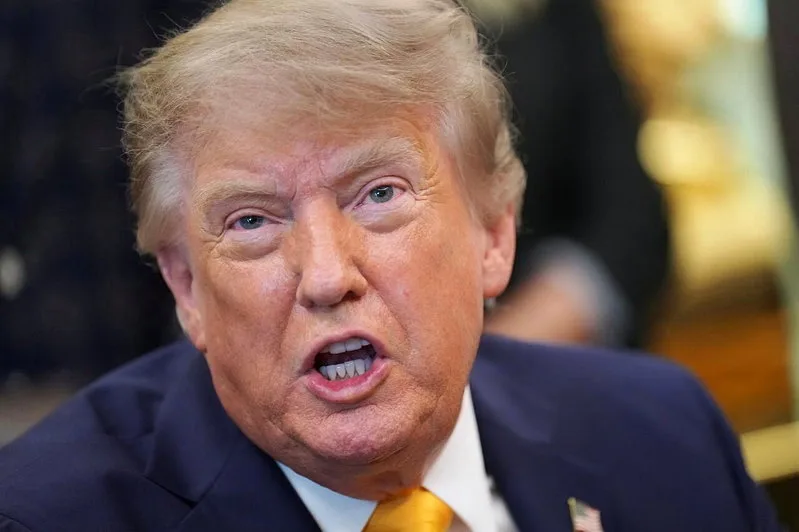
On September 4, 2026, President Donald Trump described the conflict as “small potatoes” for the US and referred to it as an intermittent military engagement rather than a full-scale war. He stated, “很多人不說這是戰爭。我說是軍事衝突,因為對我們來說只是小事一樁,不是什麼大事” (“Many people don’t call this a war. I say it’s a military conflict, because for us it’s just small potatoes, not a big deal”) [1].
Trump emphasized that US forces are conducting occasional strikes but that there is currently no active fighting. “說我們現在沒有在打仗,其實很符合事實。現在沒有戰鬥。” (“Saying we are not at war now is actually accurate. There is no fighting now”) he added [1].
His comments follow Vice President JD Vance’s statement on September 3, rejecting the notion of ongoing war. Vance said, “我不會稱這是戰爭。現在沒有發生交火。” (“I wouldn’t call this a war. There is no active combat now”) [8].
Meanwhile, Trump threatened possible imminent attacks on the heavily fortified underground Iranian facility known as “Pickaxe Mountain” (鎬山) near the Natanz nuclear site, about 220 kilometers south of Tehran [1, 2, 6]. He warned, “我們可能很快就會打擊鎬山。只要情況不對,我們就打他們。我們會狠狠打擊他們。” (“We may soon strike Pickaxe Mountain. If the situation goes wrong, we will hit them hard”) [1].
The Pickaxe Mountain complex is believed to contain underground tunnels possibly linked to Iran’s nuclear program [6]. US defense systems have faced Iranian ballistic missile attacks, firing 96 to 128 Patriot interceptors against 32 incoming missiles on a single night, illustrating the ongoing military tensions [6].
Trump compared the US-Iran conflict to earlier military engagements in Venezuela and past US wars such as Vietnam and Afghanistan, noting the relatively low US casualty count. “我覺得怎麼說都不重要,重要的是我們已經取得巨大成功。我們阻止了伊朗擁有核武器。” (“I don’t think it matters what you call it, what matters is we’ve achieved huge success. We have stopped Iran from having nuclear weapons”) he said [3].
The conflict has driven up fuel prices, which could hurt the Republican Party in the upcoming November 3 midterm elections [1, 3, 4, 7]. The Trump administration is shifting focus toward economic pressure on Iran and sanctions against its trade partners, though it downplays China’s support for Tehran. Trump stated China’s involvement is limited and could have done more if it chose to intervene [1, 2].
The next significant date is November 3, when the US will hold midterm elections amid ongoing debate over the Iran conflict’s impact on the domestic political climate.