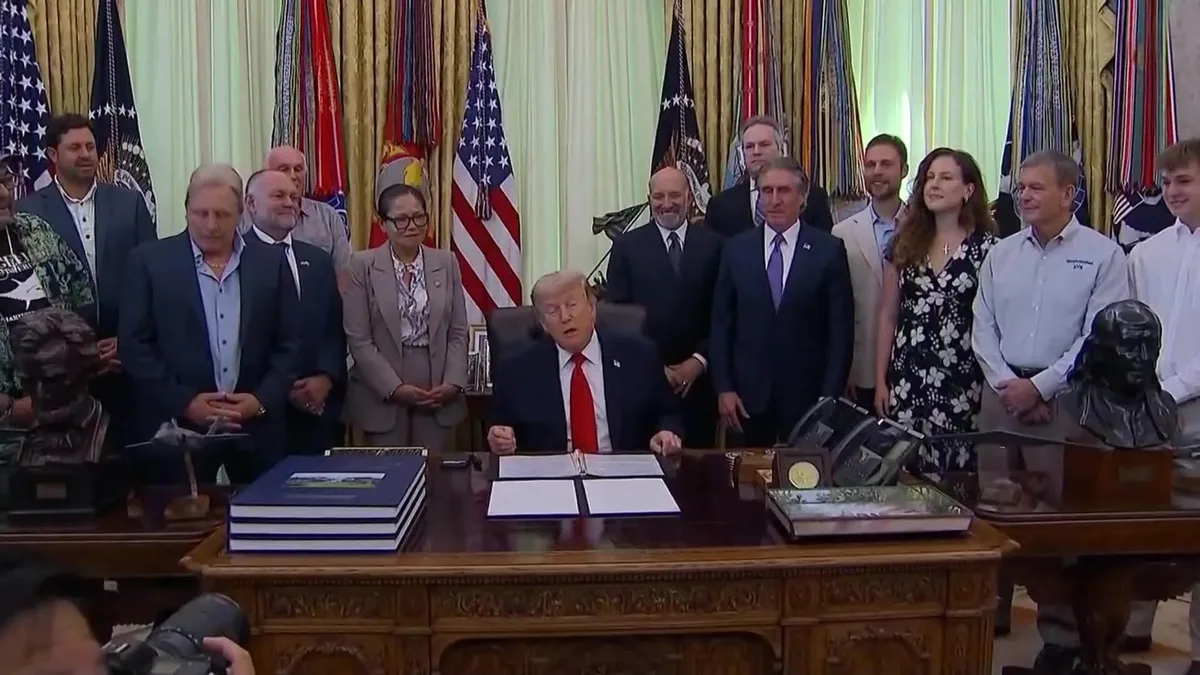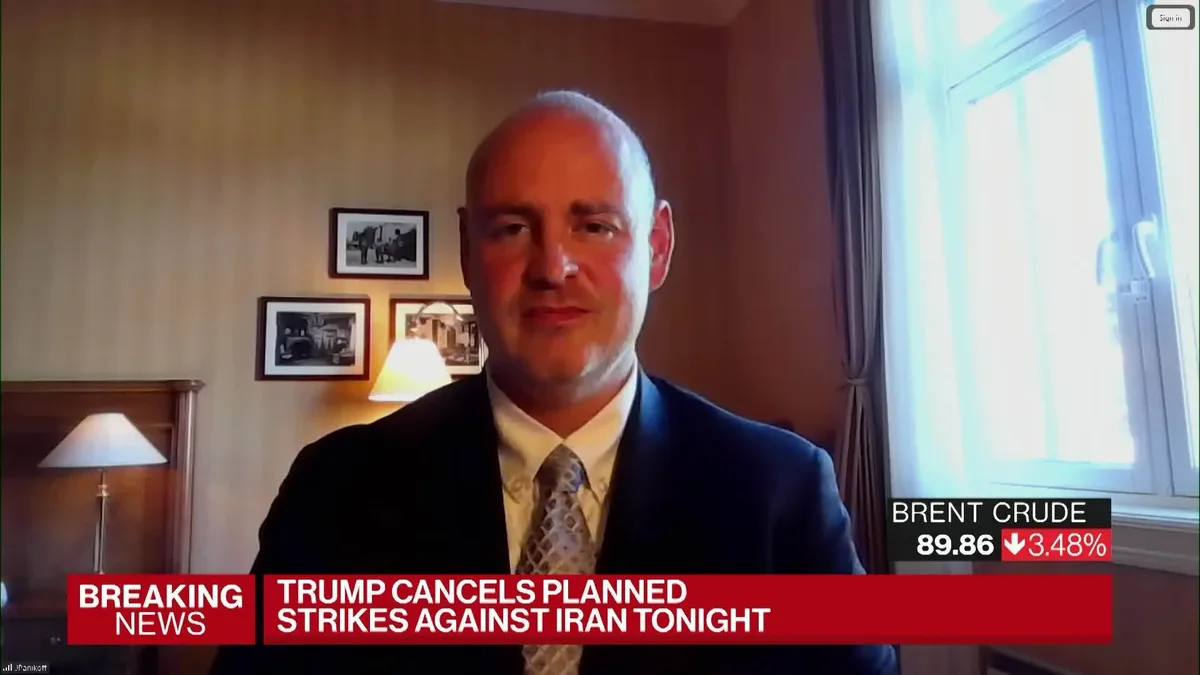
US President Donald Trump canceled planned military strikes against Iran on June 11, citing approval of talks at the highest levels of Iranian leadership. [1, 2, 3, 4] Trump said, "Based on the fact that discussions with the Islamic Republic of Iran have been brought to the highest level of Iranian leadership and approved, I have, as President of the United States of America, cancelled the scheduled strikes and bombings against Iran this evening." [2]
The decision followed US missile strikes on June 10 that damaged two water storage facilities in southern Iran, affecting about 20,000 people and raising legal questions about potential war crimes. [5] Trump stated that the peace discussions had also received approval from multiple regional countries, including Israel, Saudi Arabia, UAE, Qatar, Turkey, Pakistan, Bahrain, Kuwait, Jordan, and Egypt. [2]
Trump indicated a peace deal with Iran could be signed as soon as the weekend of June 13-14, with Vice President JD Vance expected to attend a signing in Europe. [4, 6, 7, 8, 9] A senior US official said the likelihood of a deal signing within days was 80-85%, but noted internal fractures within Iran complicated the process. [8] Despite this, Iranian authorities denied a finalized agreement had been reached, stating parts of the text remained under negotiation and that Iran would not compromise on red lines. [5, 8] Iranian foreign minister Abbas Araghchi said the deal was close but cautioned against premature speculation before finalization. [8, 9]
Trump expressed frustration with Iranian negotiators on June 12-13, calling them "very dishonorable people to deal with" and saying on social media, "With them, there is no such thing as dealing in good faith …. They better get their act together, and FAST!" [8]
Dozens of protesters gathered outside Iran's foreign ministry in Mashhad on June 13, opposing the peace deal and calling negotiators dishonorable, demanding resignations. [9] Iran’s foreign minister warned, "The administration of Strait of Hormuz will no longer be the same as before. One of our main instruments of deterrence is the waterway." [9]
Oil prices sharply declined following Trump’s announcement of canceled strikes and the possibility of a deal. Brent crude hovered around $89 a barrel, while West Texas Intermediate dropped below $87 then near $85 on June 11-12. [10, 6, 7] The US maintains a naval blockade on Iranian oil exports during the crisis, which Trump said would remain until the peace deal is finalized. [2, 9]
The situation remains fluid as Trump sets the stage for a possible signing event in Europe later this weekend, with tensions high on all sides and key details still under negotiation. [4, 6, 7, 8, 9]