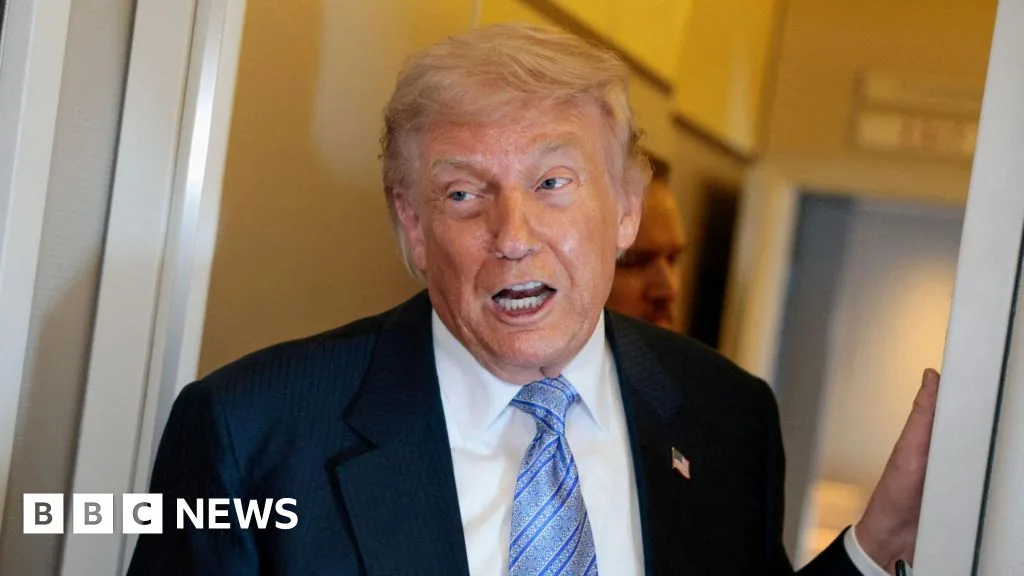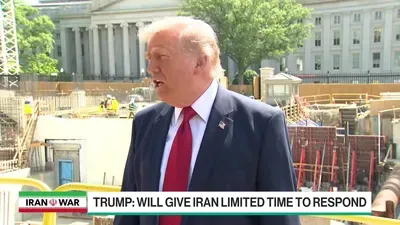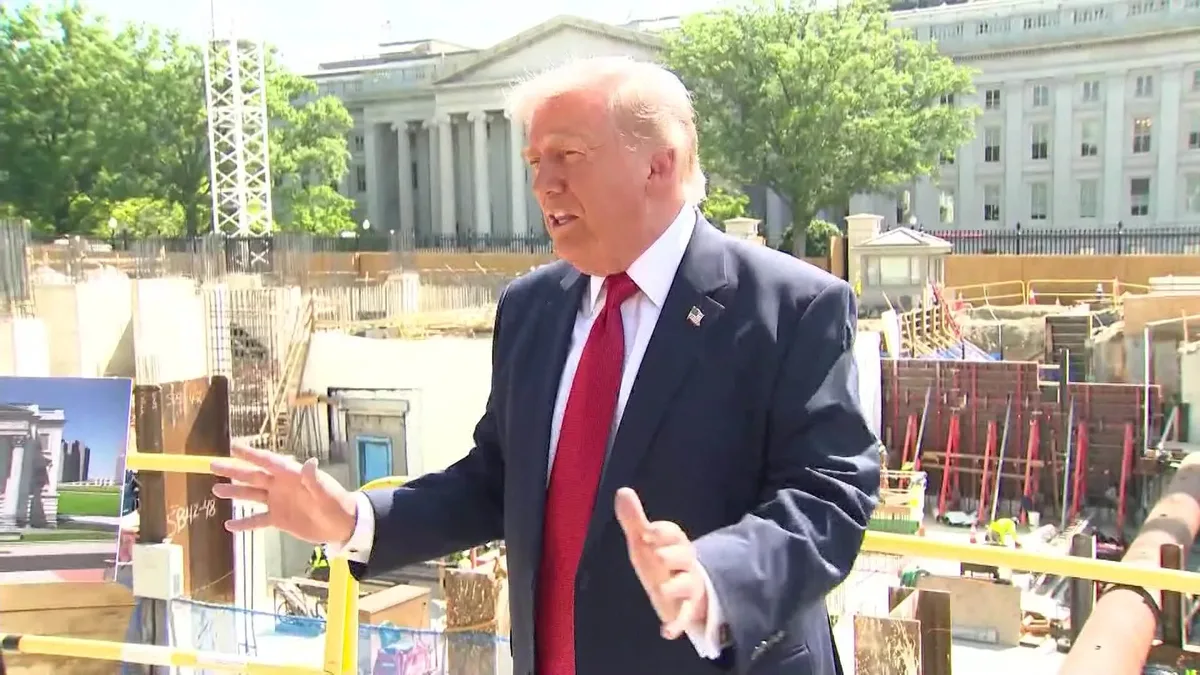
US President Donald Trump halted a planned military strike on Iran scheduled for Tuesday, May 19, 2026, following requests from Gulf allies Qatar, Saudi Arabia, and the United Arab Emirates, according to multiple sources [1, 2, 3, 4, 5, 6]. Trump said the decision was made to allow serious negotiations and diplomacy to continue toward an acceptable deal to end the US-Israeli war with Iran [1, 2, 3, 6]. He warned the US military remains ready to launch a full-scale assault on Iran on short notice if no agreement is reached [1, 3, 4, 6].
Trump claimed he was about an hour away from ordering the attack on May 19 before postponing it [7, 8, 9]. He added that Iran is "begging" to make a deal but gave a warning that new strikes could come within "two or three days or early next week" if talks fail [7, 8, 9]. Despite Trump's threats, he showed some hope diplomacy might succeed, saying, "If we can do that... if they’re satisfied, we will be probably satisfied also" [5].
Iran’s latest peace proposal was delivered to the US through mediation by Pakistan, focusing first on ending the war, reopening the Strait of Hormuz—a strategic waterway through which 20% of the world’s oil and LNG passes [1, 6]—and lifting maritime sanctions while deferring contentious nuclear issues to later talks [3, 4, 6]. However, progress remains difficult. A Pakistani source said, "The sides keep changing their goalposts. We don’t have much time" [3]. Iran denies US demands and remains defiant, with officials calling American conditions excessive. Tehran continues to control the Strait of Hormuz and has not lifted its blockade [1, 6, 8, 9].
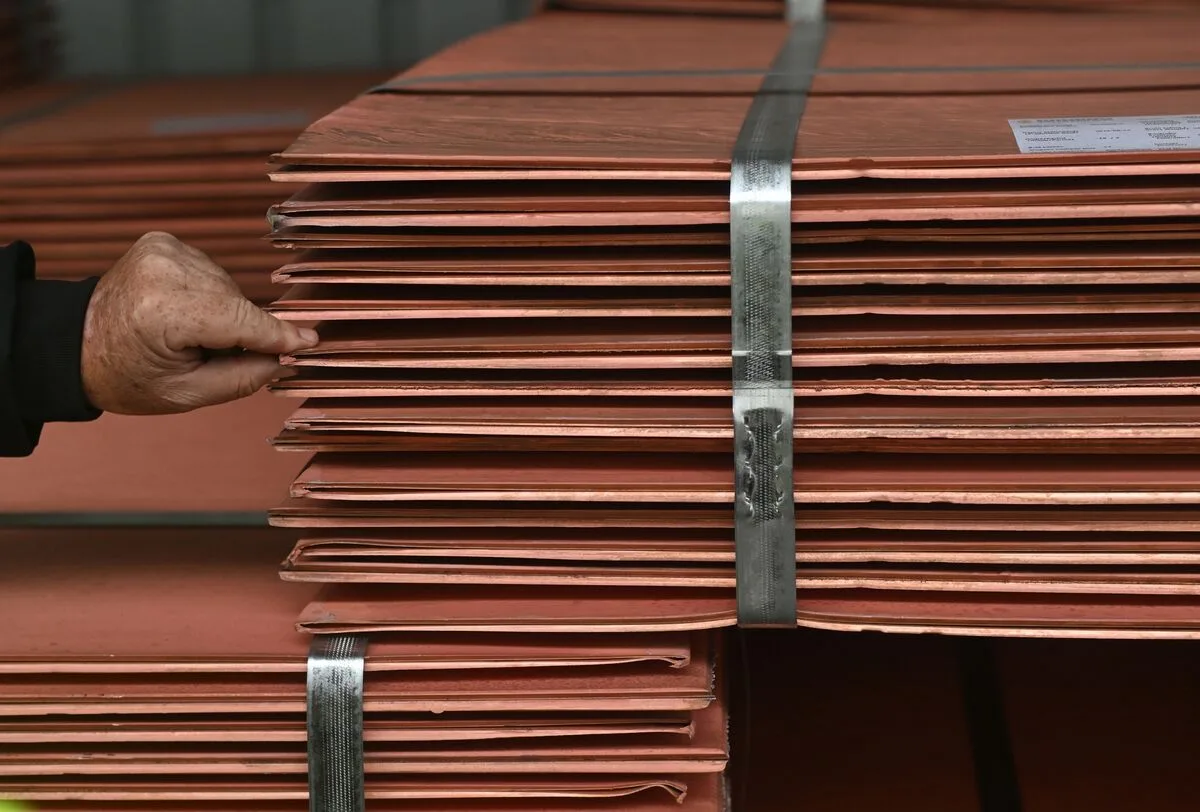
The US continues enforcing a naval blockade of Iranian ports to pressure Tehran toward concessions [1, 6]. The US has agreed in principle to release 25% of Iran’s frozen funds held abroad, while Iran demands all funds be freed [3]. Markets for copper and base metals showed volatility following Trump’s statements, reflecting uncertainty over the talks and risk of escalation [10].
The ceasefire agreed in April between the US-Israeli coalition and Iran has mostly held but tensions and occasional exchanges of fire continue [1]. On May 19, US Vice President J.D. Vance said progress had been made in talks and neither side wants renewed conflict [9].
The next few days will be critical as the US maintains readiness for resumed strikes should negotiations fail. Trump set a deadline for accepting a deal within two to three days or early next week, warning of a "limited period of time" to avoid Iran acquiring nuclear weapons [8].