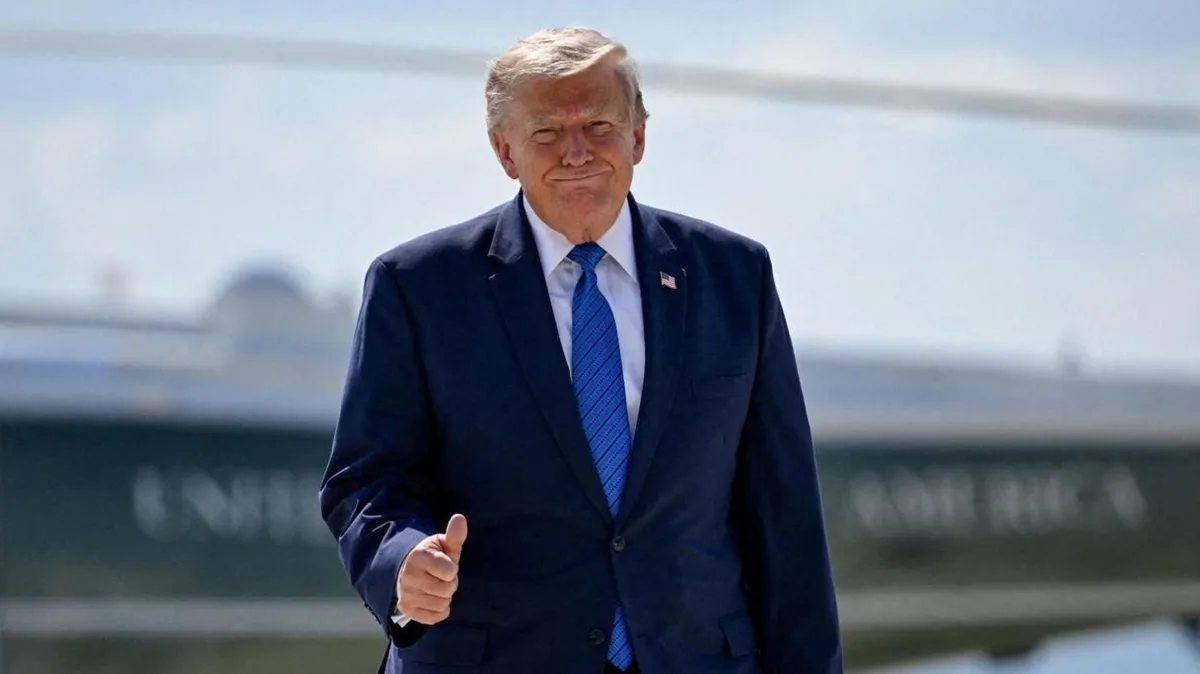
US President Donald Trump announced he would cancel planned strikes on Iran if a rapid deal is reached, including the reopening of the Strait of Hormuz and an end to Iran’s nuclear threat, a move made jointly with Israel at the request of Iran and other Middle Eastern nations [1, 2]. Trump posted on Truth Social that despite being "locked and loaded" and ready for military action at levels not seen since World War II, he agreed to hold off attacks contingent on reaching a deal quickly [1, 2].
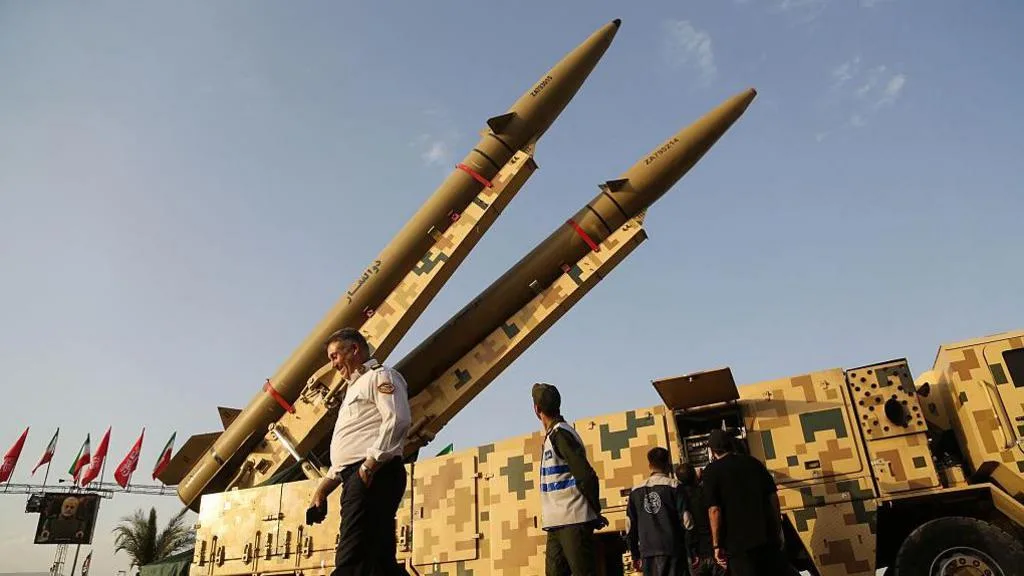
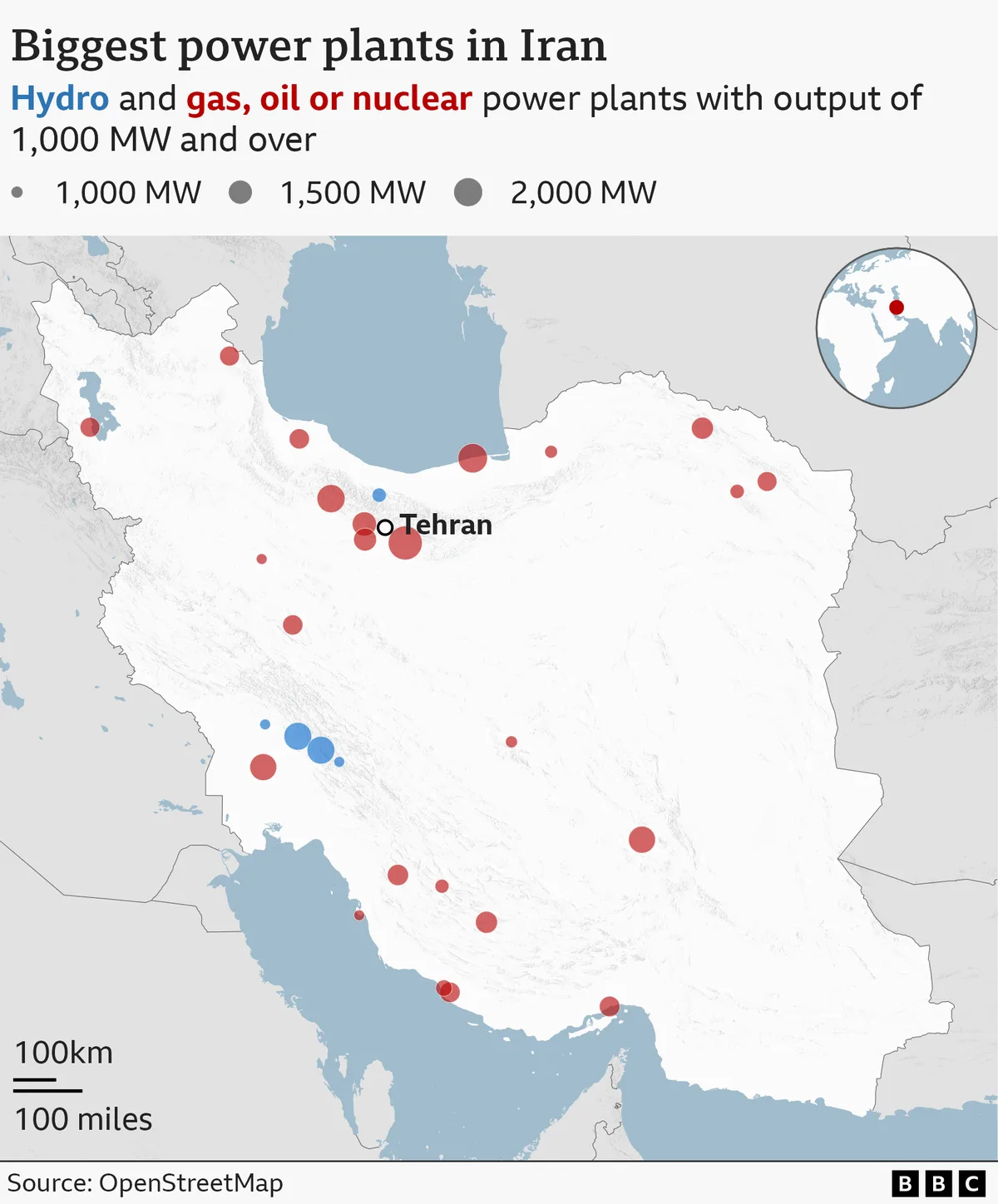
Since February 28, US and Israeli forces have launched strikes against Iranian targets, escalating tensions in the region [1, 3]. Iran responded with drone attacks on US bases in Kuwait and Bahrain, while Kuwait’s military destroyed hostile Iranian drones targeting vital infrastructure [4, 3, 5, 6]. Amid growing threats, Iranian Foreign Minister Abbas Araqchi warned the US against fresh attacks, saying Iran would retaliate decisively and strike energy infrastructure in Saudi Arabia, the United Arab Emirates, Qatar, and Israel if Iranian energy facilities come under attack [4, 7, 8, 9, 5, 10, 6]. Araqchi stated any aggression would be met with a proportionate response, raising regional security concerns [4].
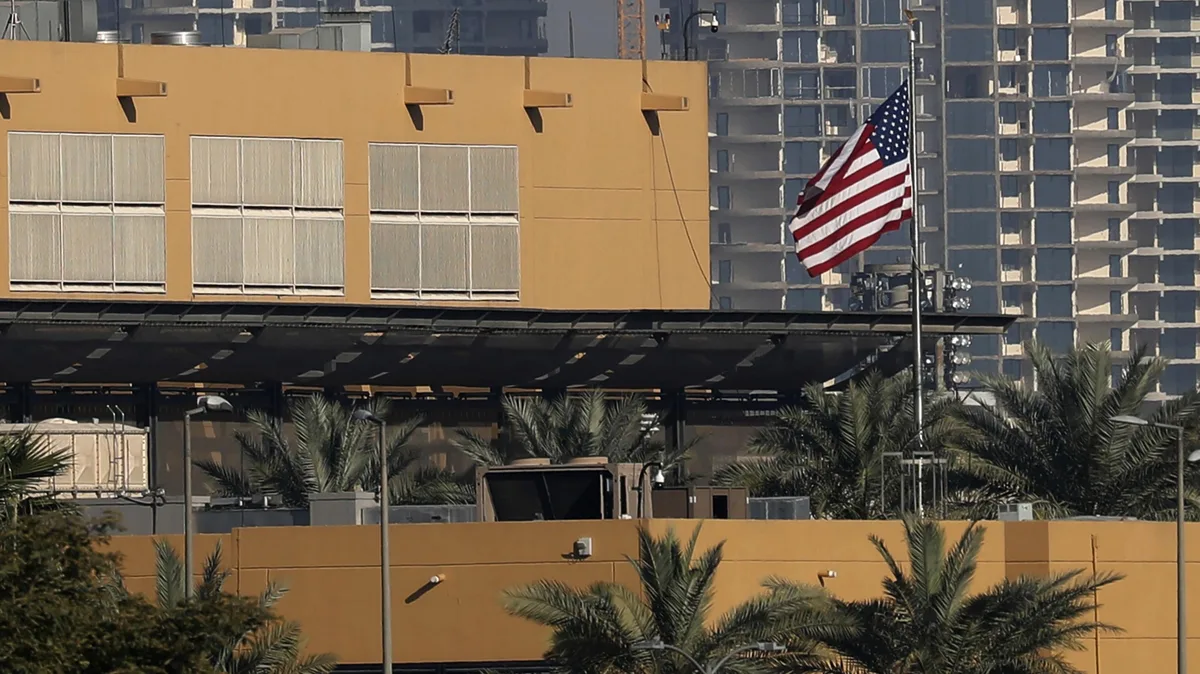
The conflict has triggered a blockade of Iranian ports by the US and raised alerts at US embassies across the Middle East urging Americans to exercise caution [1, 3, 11]. Oil prices remain elevated, with Brent crude rising 24% in July and expecting further increases amid instability [4, 7, 8]. Recently, a tanker near Oman was struck by an unknown projectile, and another tanker reported an explosion nearby, highlighting the risks faced by commercial shipping near the Strait of Hormuz [3].
Trump expressed frustration over Iran’s reliability, claiming they "break their word so often," reflecting deep mistrust despite ongoing talks [4, 7, 8, 9, 6]. The president’s decision to pause strikes follows a cabinet meeting at Camp David on July 31, where he voiced both hope for a deal and readiness to strike hard at Iran [1, 4, 7, 8, 9, 2].
The next step depends on rapidly concluding an agreement that satisfies US demands and addresses Iran’s nuclear program and regional security concerns. The situation remains tense as all parties watch for Iran’s response and efforts to negotiate a resolution [1, 2].