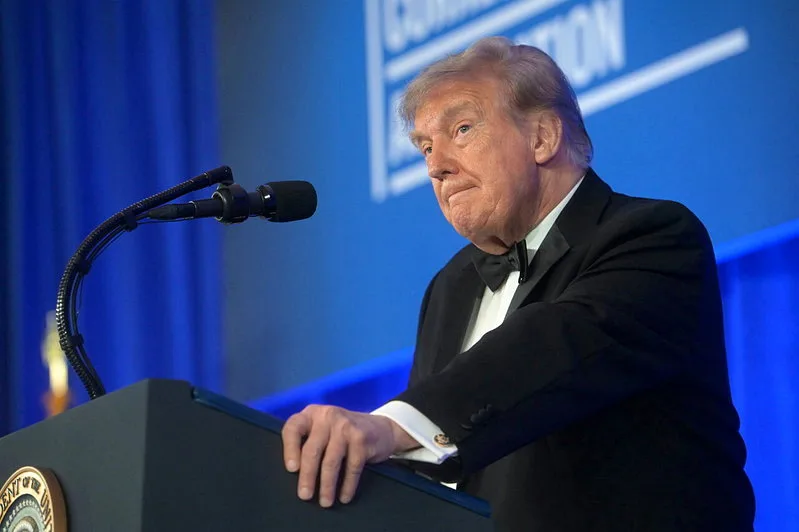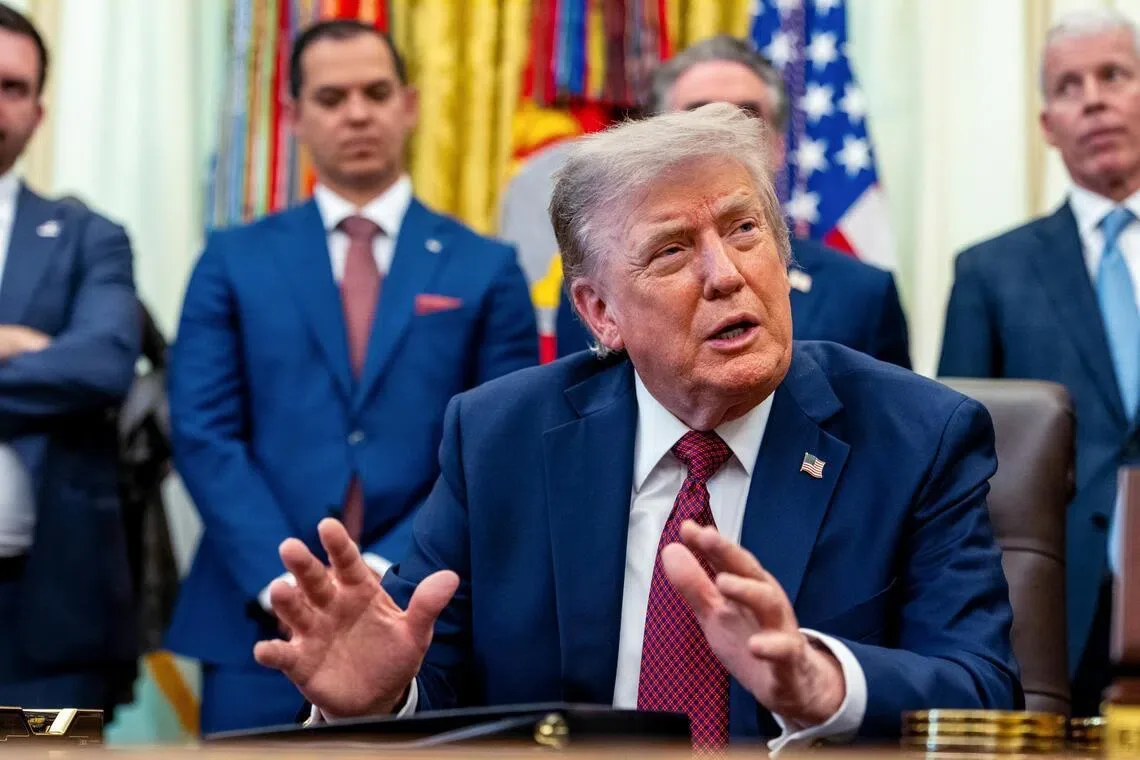
US President Donald Trump continues to struggle with the protracted war against Iran nearly 13 months after authorizing bombing of Iranian nuclear sites in July 2025 [1, 2]. Despite America's military might, Trump faces frustration amid depleted missile and interceptor stocks and unpredictable conflict dynamics [1, 2, 3, 4].
Trump's military actions have included B-1 bomber strikes on underground nuclear facilities and sending Delta Force commandos on a failed mission to capture Venezuelan President Nicolás Maduro in January 2026 [1, 2, 4]. The heavy fighting has drained US military supplies, raising concerns about readiness as the conflict wears on [3, 4].
Policy options under consideration include resuming large-scale offensive operations, intensifying economic sanctions such as blocking shipping through the Strait of Hormuz, or declaring victory and withdrawing forces [3, 4]. However, each path poses serious risks. Large bombings could cause catastrophic civilian casualties and famine without guaranteeing Iran will negotiate [3, 4]. Economic sanctions take time to impact but are costly and may invite attacks on US allies in the Gulf [3, 4]. Withdrawal could leave Iran close to nuclear weapons capability and control strategic oil routes, worsening the global energy crisis [3, 4].
About a month ago, Trump briefly considered pursuing a ceasefire and negotiations to limit economic and political damage [3, 4]. On July 24, 2026, influenced by US Central Command chief Brad Cooper, Trump suspended airstrikes on Iran, pausing attacks for 13 days by late July [4]. The pause is seen as creating space for diplomacy [4].
The war's effects have disrupted oil prices, stock markets, and shipping routes through the Hormuz and Red Sea corridors [3, 4]. Meanwhile, foreign leaders such as Chinese President Xi Jinping and Russian President Vladimir Putin are perceived to be monitoring US military strain closely, possibly adjusting their own actions in Taiwan, Ukraine, or Europe based on Washington's status [3, 4].
Trump has publicly cited his "own morality" in navigating these complex challenges [1]. The conflict continues amid strained military resources and competing pressures.
The next crucial step involves whether Trump will extend the pause on airstrikes beyond July or resume military operations, as US advisers continue to debate the best approach to the Iran conflict [4].