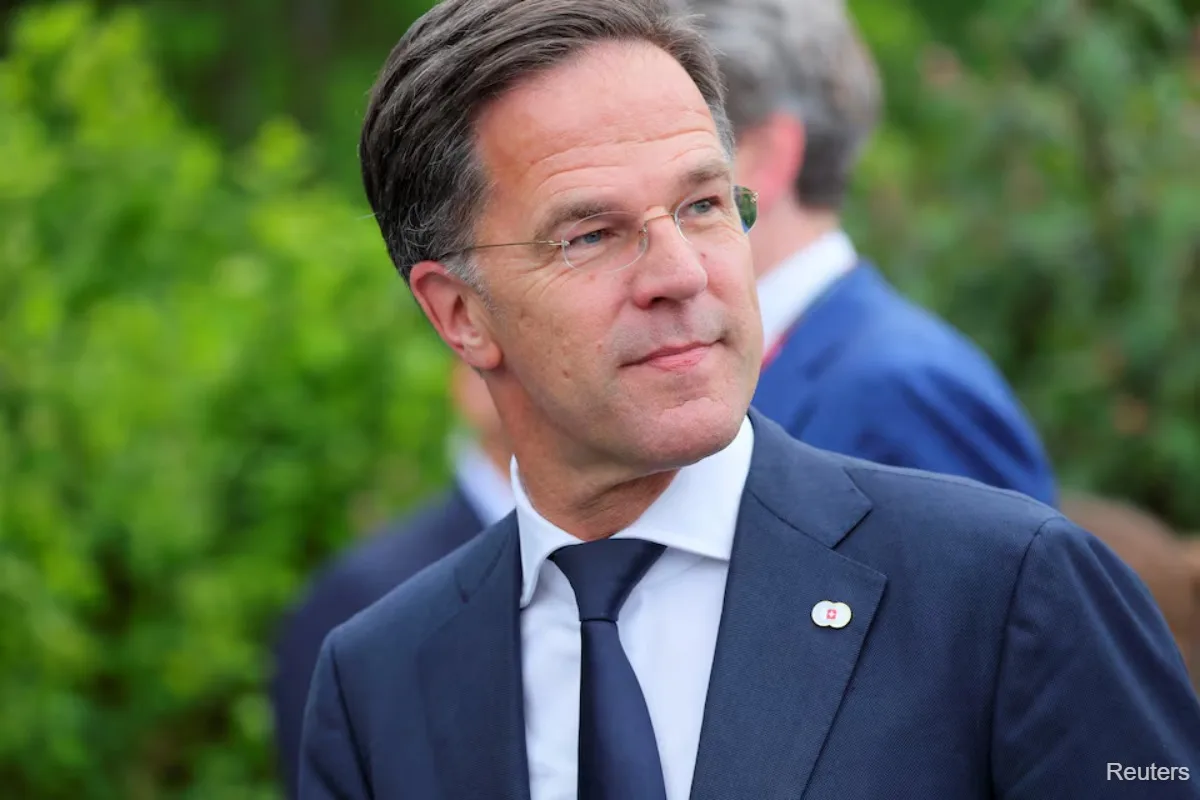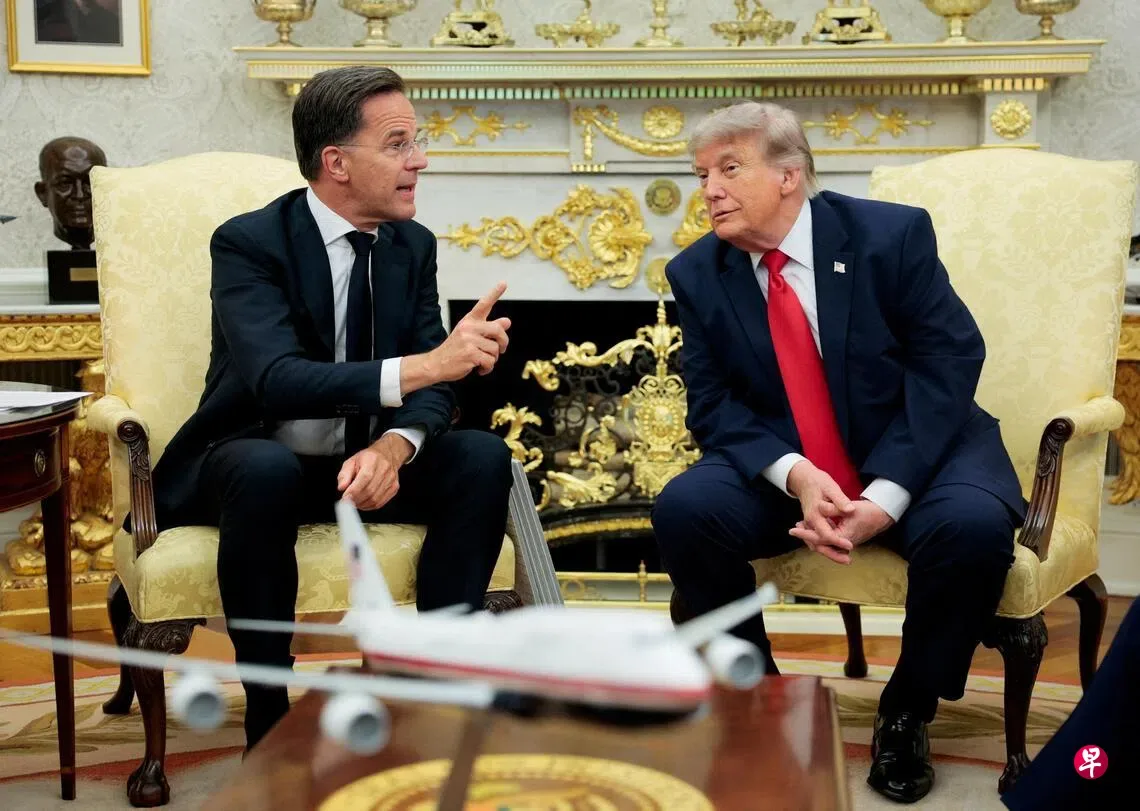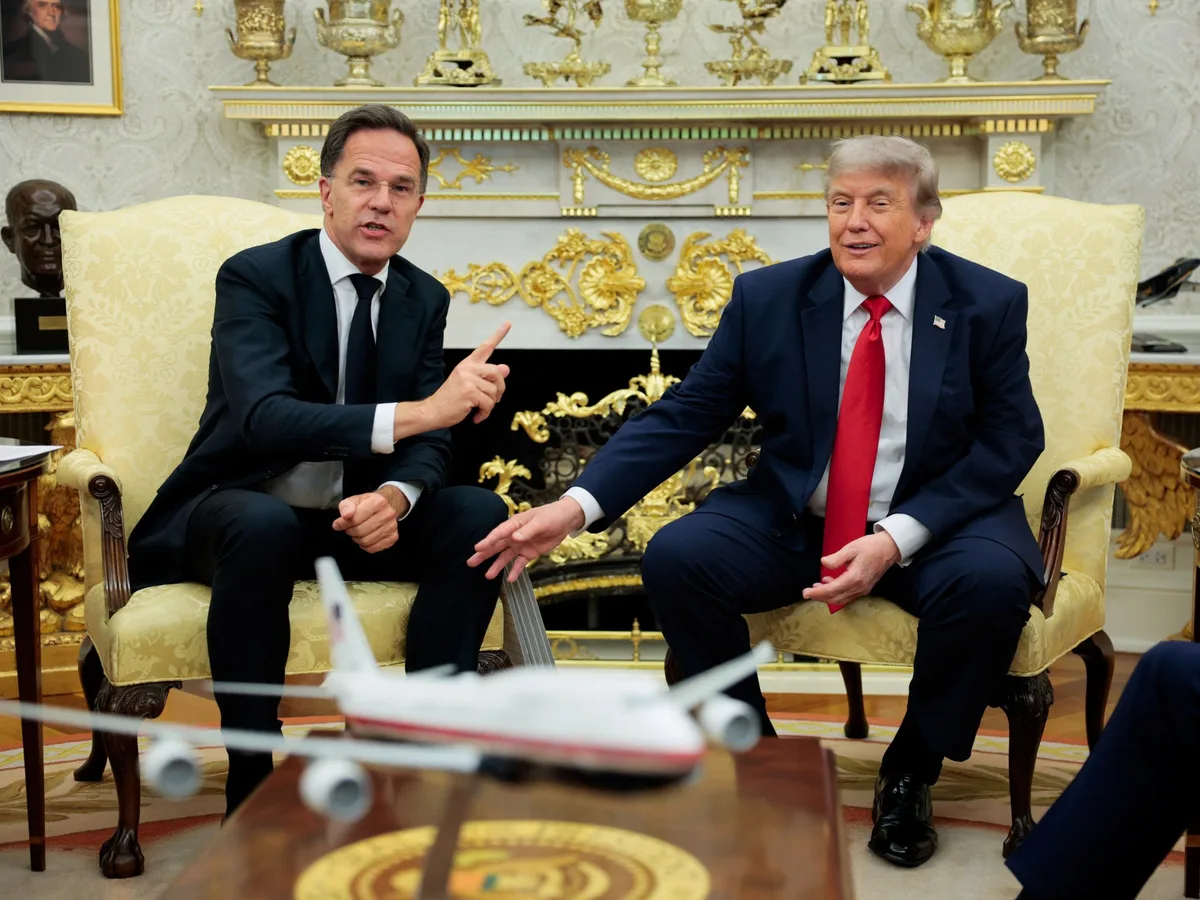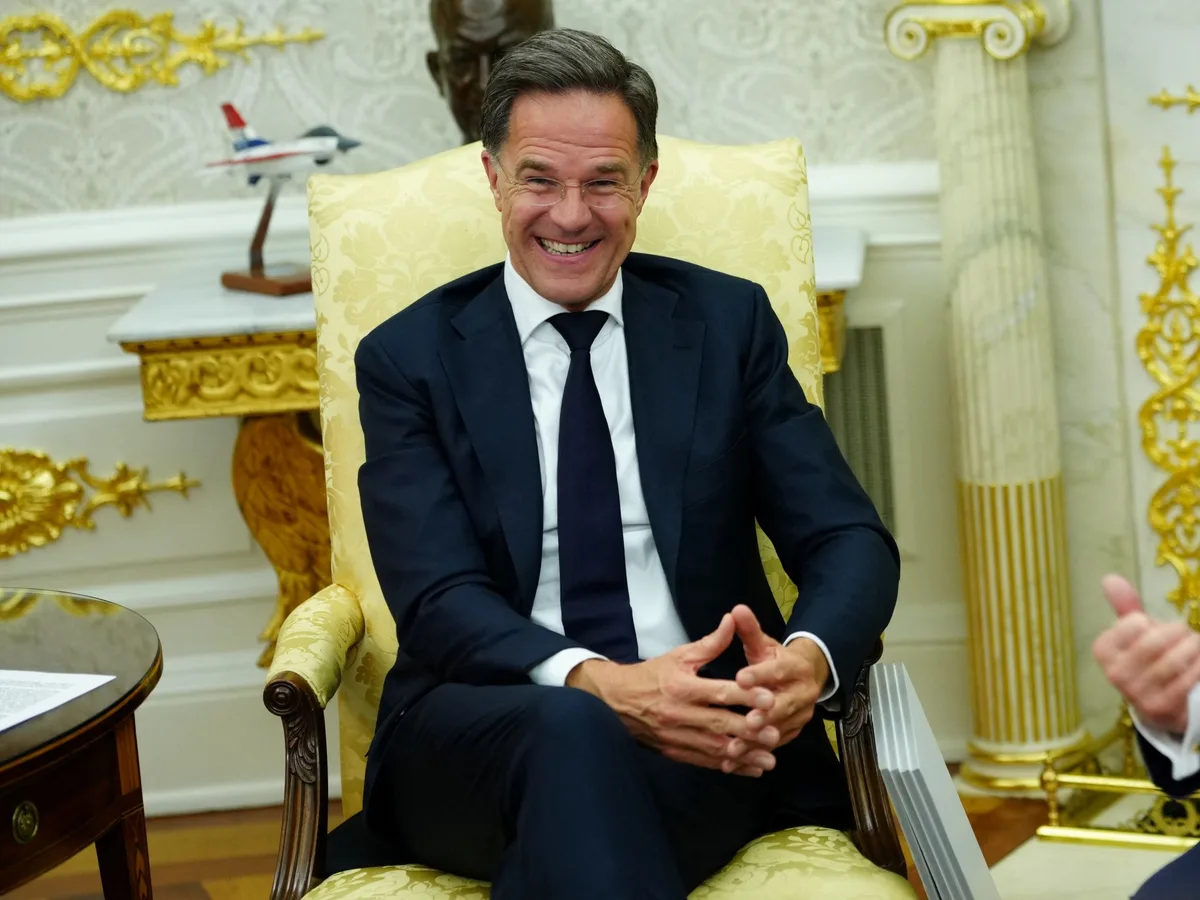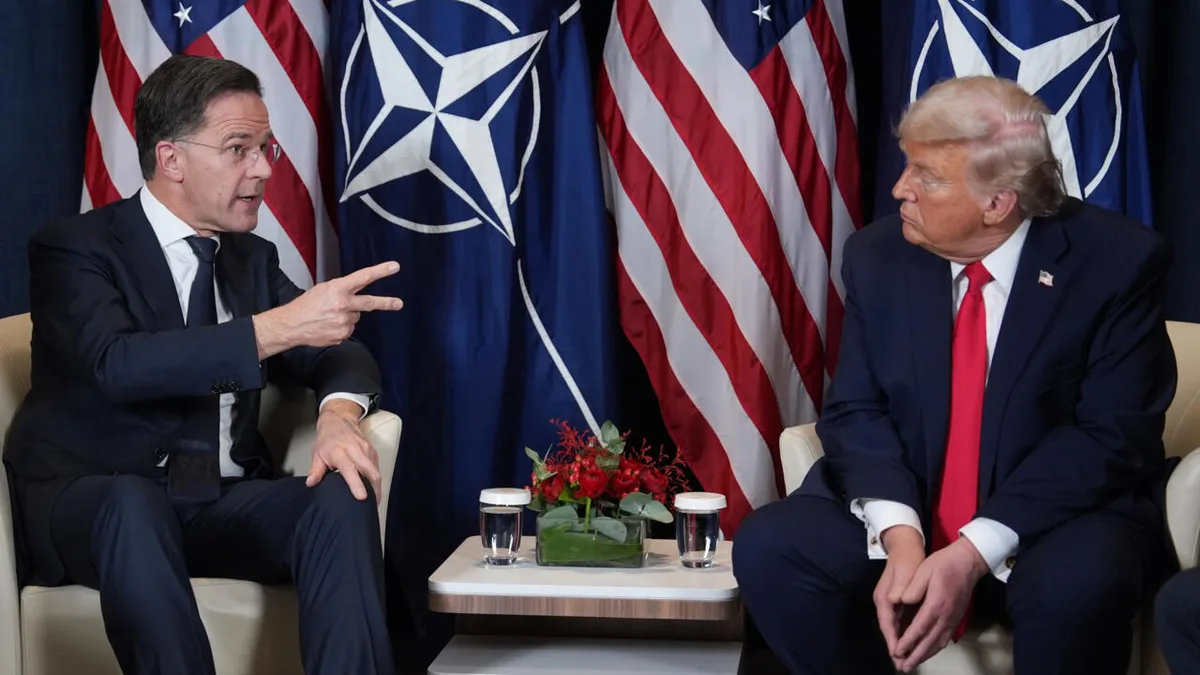
US President Donald Trump sharply criticized NATO allies for their lack of support in the US war against Iran, saying he felt “let down” by key countries including the UK, Germany, France, Italy, and Spain. Speaking at a June 24 meeting with NATO Secretary General Mark Rutte, Trump said, “We were let down. We didn’t need help on this at all. We demolished (Iran) literally in the first week but it would have been nice if they would have said, ‘We’d like to help.’” He called Spain a “horror show” on support, adding, “I only want their loyalty. We don’t need their money. We have the strongest military in the world” and thousands of troops stationed in Europe [1, 2, 3, 4].
Rutte defended NATO allies’ role in the conflict, emphasizing that “country after country, ally after ally after ally, have made their bases available for Epic Fury,” the US military operation against Iran. He cited as many as 4,000 to 5,000 US military planes hosting sorties from bases across Europe, including 500 from Italian bases alone. He noted Romanian support by reducing commercial flights to accommodate US tanker operations and continued cooperation in defending the Strait of Hormuz [5, 6, 4, 7, 8].
Italy quickly refuted claims of permitting combat flights, saying it only authorized “technical and logistical” flights under existing agreements. Iran condemned Rutte’s acknowledgment as proof of NATO’s complicity in “an unlawful war of aggression” [5, 7].
Trump praised Rutte personally but said if another NATO chief were in charge, the US might not even meet with NATO due to disappointment. Rutte responded that Trump remains fully committed to the alliance and reassured that “if Europe is attacked, the US will absolutely protect Europe” [1, 2, 6, 9, 3].
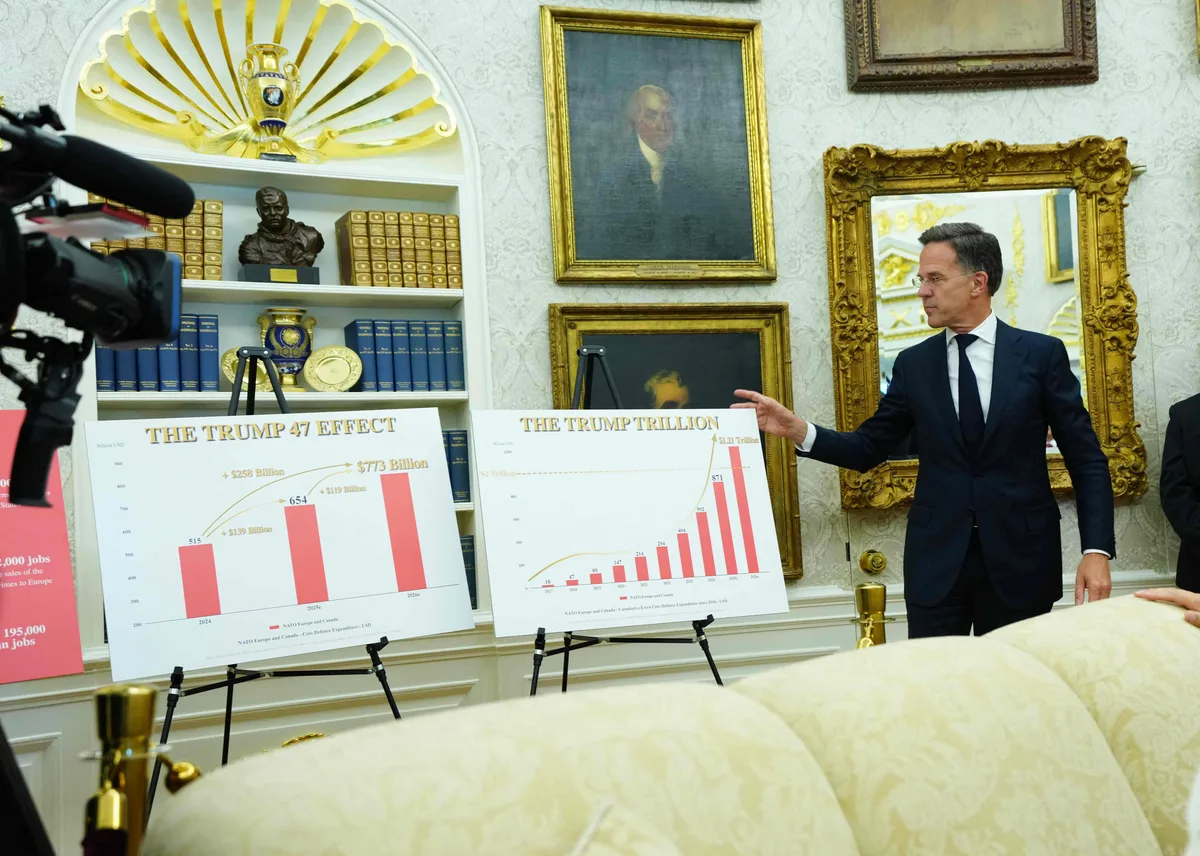
Trump reiterated calls for European NATO members to take on more defense responsibility, warning of a possible reduction in US military presence in Europe [1, 3, 10]. Rutte presented charts showing increased NATO defense spending since 2017 and credited Trump with strengthening NATO cohesion [1, 6, 9].
The US and Israel launched a joint military attack on Iran on February 28. The June 24 Trump-Rutte White House meeting was their first public exchange since the start of the conflict. NATO leaders from all 32 member countries are scheduled to meet for a summit in Ankara, Turkey from July 7 to 8, where the alliance’s ongoing role in regional security and collective defense is expected to feature prominently [1, 2, 9, 10].