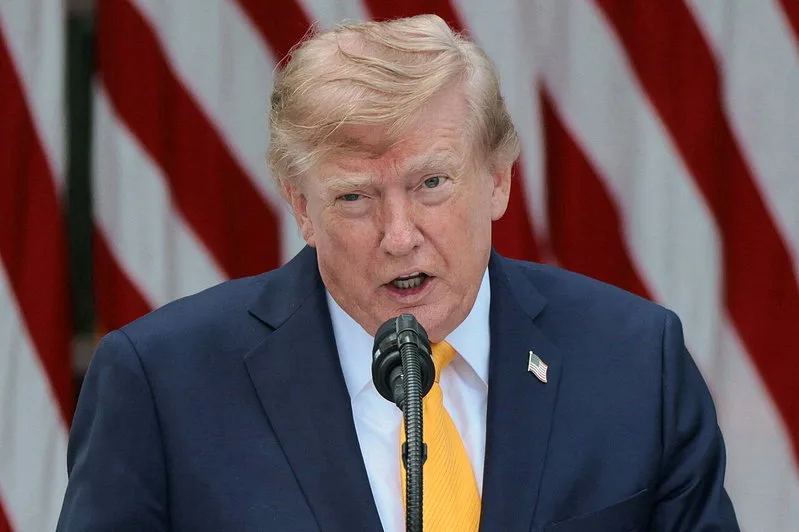
President Donald Trump signed an executive order on August 26, 2026, declaring a national emergency over foreign-made equipment used in the US electric grid and banning the purchase, import, or installation of certain large bulk-power system electrical components and related software in the country [1, 2, 3, 4].
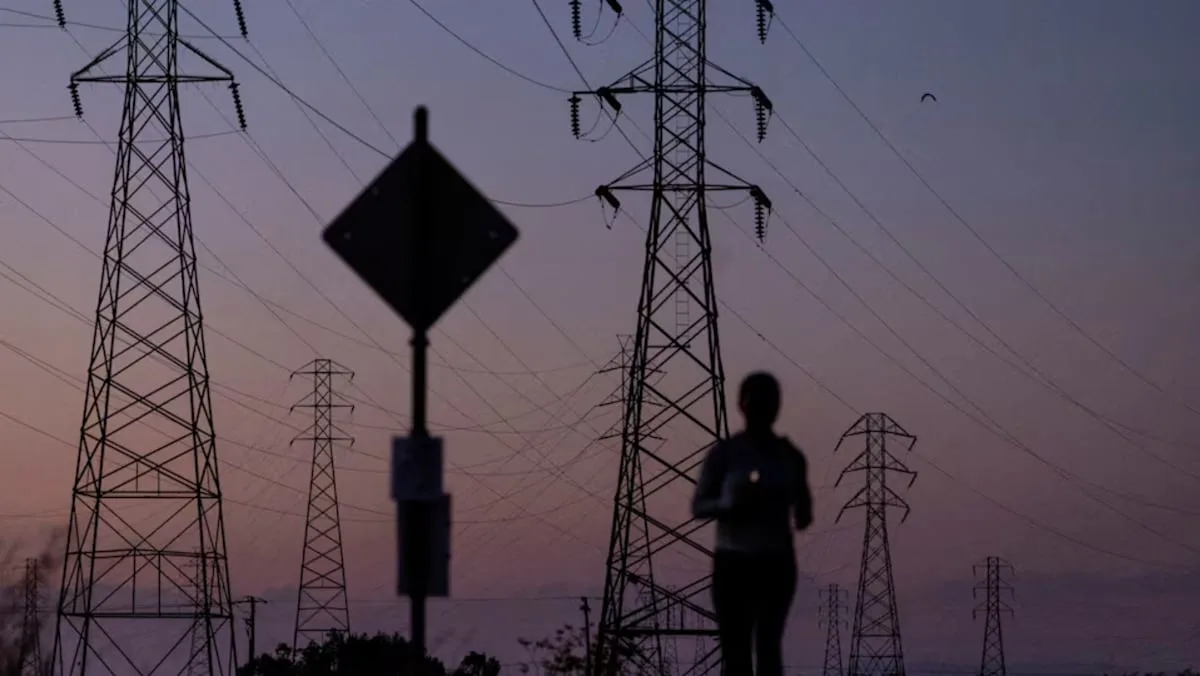
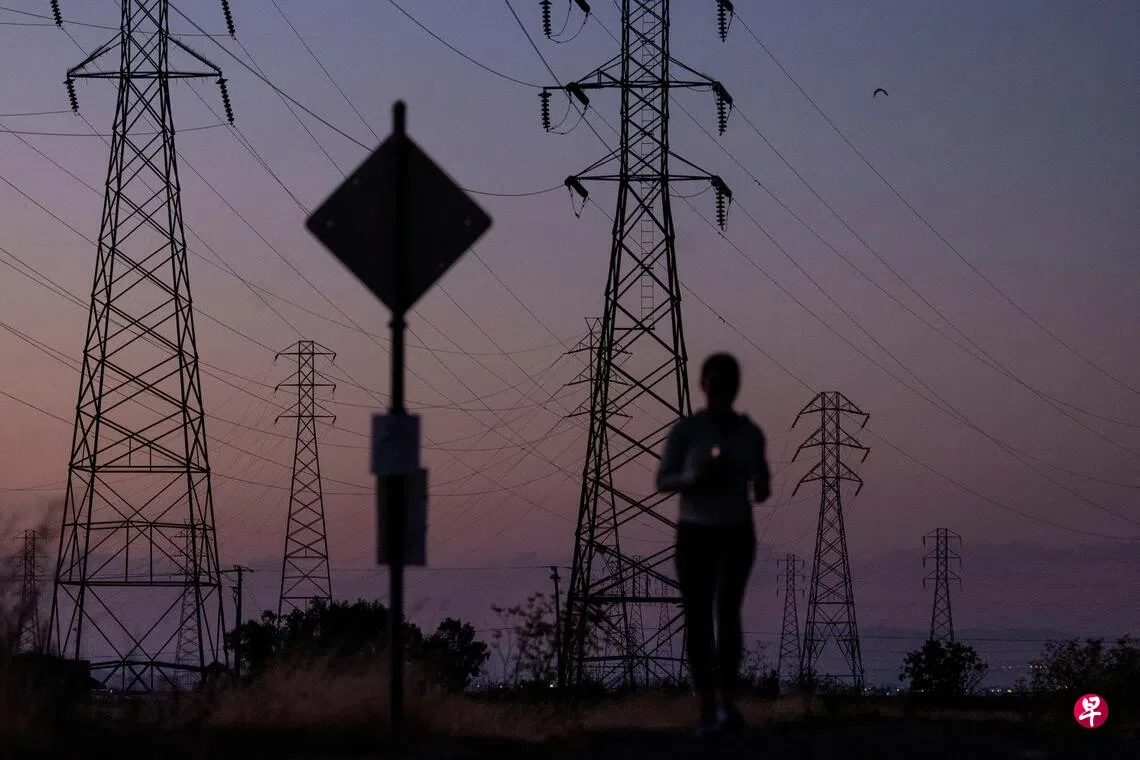
The bulk-power system includes high-voltage transmission lines, substations, and power plants that form the backbone of US electricity delivery [2, 3, 5]. The order identifies foreign-manufactured equipment as an unusual and extreme threat to US national security, foreign policy, and the economy, concluding the risk mainly stems from outside the US. Trump said, "I hereby declare a national emergency to deal with this threat" [1].
Although China is not explicitly named, the ban is widely understood to target Chinese-made grid components amid concerns over embedded security risks, including hidden communication devices in Chinese solar inverters. The order warns foreign equipment software may contain digital "backdoors" allowing secret remote access that could disrupt US grid operations [1, 2, 3, 5].
The White House stated prohibited items include certain foreign bulk-power system equipment and critical software with network security or operational risks that pose a threat to the electric grid [1]. Trump stressed the growing US reliance on stable power due to the surge in AI data centers and advanced technology projects, saying, "If the grid goes down, the damage will be greater than ever before" [2].
The ban applies to countries under US arms embargoes or sanctions and those deemed harmful to US interests [2, 3]. China accounts for about 80% of global battery and solar inverter manufacturing capacity, and US imports of Chinese large power transformers have increased significantly over the past decade, raising security concerns [1, 6]. Taiwanese suppliers of transformers and energy components are not automatically banned and may gain business as a result [7].
US Energy Secretary is authorized to impose additional restrictions on existing equipment already installed that fall under the ban [1, 2]. The government plans to issue detailed regulations and a whitelist of qualified equipment and suppliers by December 24, 2026 [7].
Earlier this year, the EU Commission banned public funding for energy projects using Chinese-made solar inverters [1, 8, 2]. The US move aligns with tightening global scrutiny on Chinese technology linked to critical infrastructure.
The Energy Department is tasked with finalizing the regulatory framework and approved supplier list by December 24, 2026 [7].