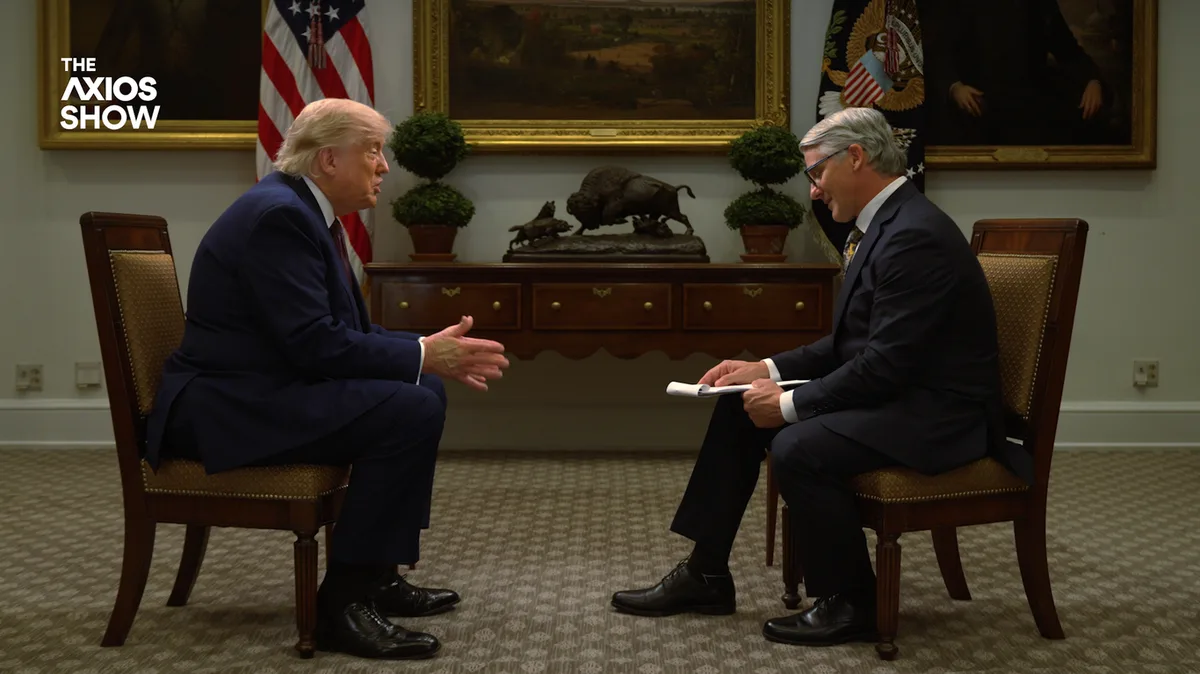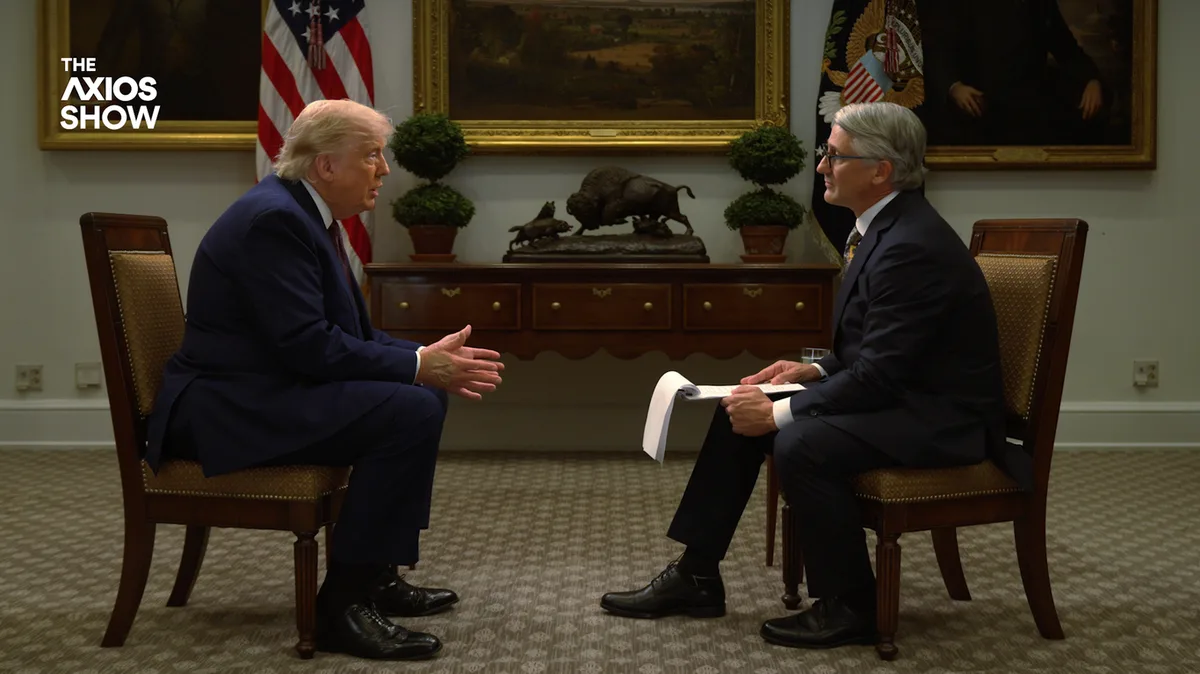
US President Donald Trump said there are "no limits" to his power following the recent war with Iran. In an interview with Axios on June 18, he said, "I haven't learned that lesson yet. I know there are, but there are no limits" [1]. Trump claimed the US "defeated them totally militarily" in the Iran conflict and described the memorandum of understanding signed to end hostilities as effectively "unconditional surrender" from Iran [1, 2, 3].
On June 17, 2026, the US and Iran digitally signed a 14-point memorandum agreeing to end months of conflict and reopen the Strait of Hormuz [2, 4]. Under the agreement, the US lifted its naval blockade while Iran agreed to reopen the strategic shipping lane [4]. Trump acknowledged the naval blockade prevented ships from passing and said "no one else could have pulled it off" [1, 2, 3].
Trump warned that continuing bombing to be tougher would risk closing the Strait again, which could cause global oil shortages and "a worldwide depression" [1, 5, 2]. He defended the war’s impact, saying it severely diminished Iran's military, including loss of its Air Force, Navy, radar, and other equipment, stating, "The War has diminished Iran! It doesn't, any longer, have an Air Force, a Navy, Antiaircraft Equipment, Radar, or practically anything else" [4].
He dismissed Democratic critics who argued Iran was stronger after the conflict [4]. Trump continued defending his actions on June 19, posting on social media and giving another Axios interview covering multiple topics [5, 4].
The memorandum includes a 60-day negotiation period following the signing to finalize details and ensure compliance [4].