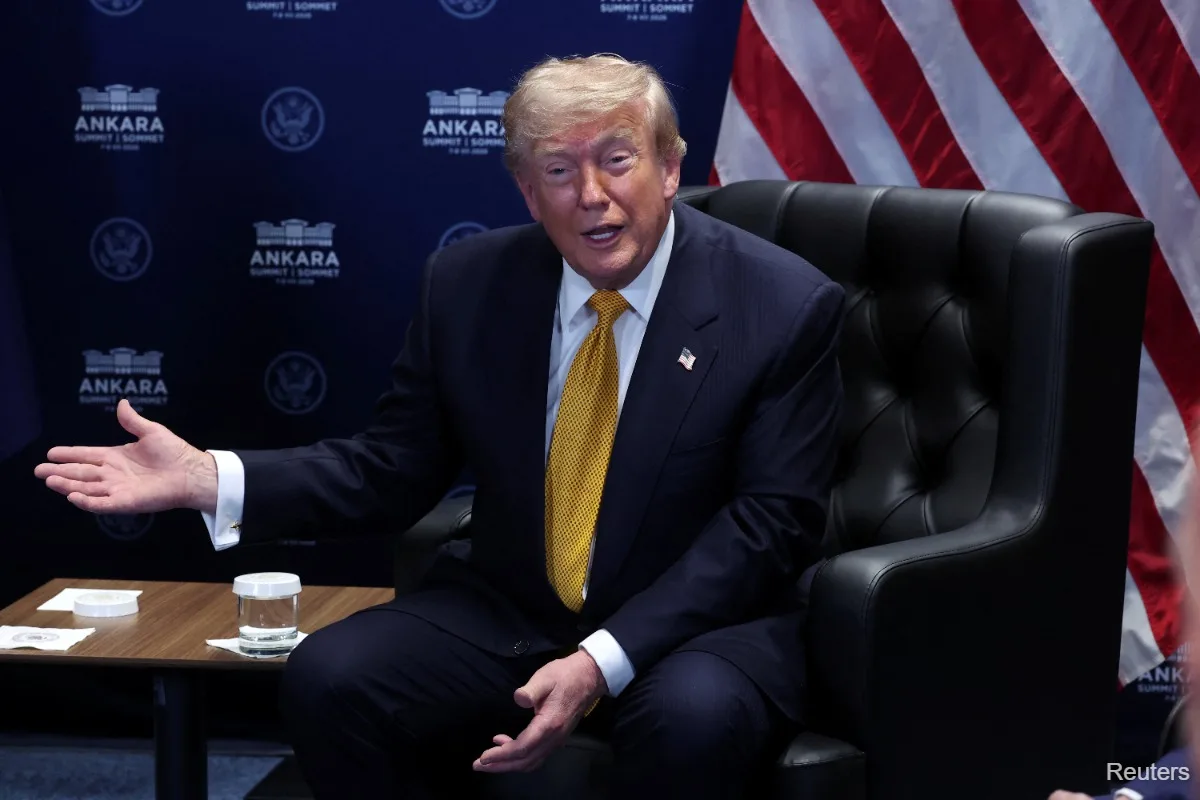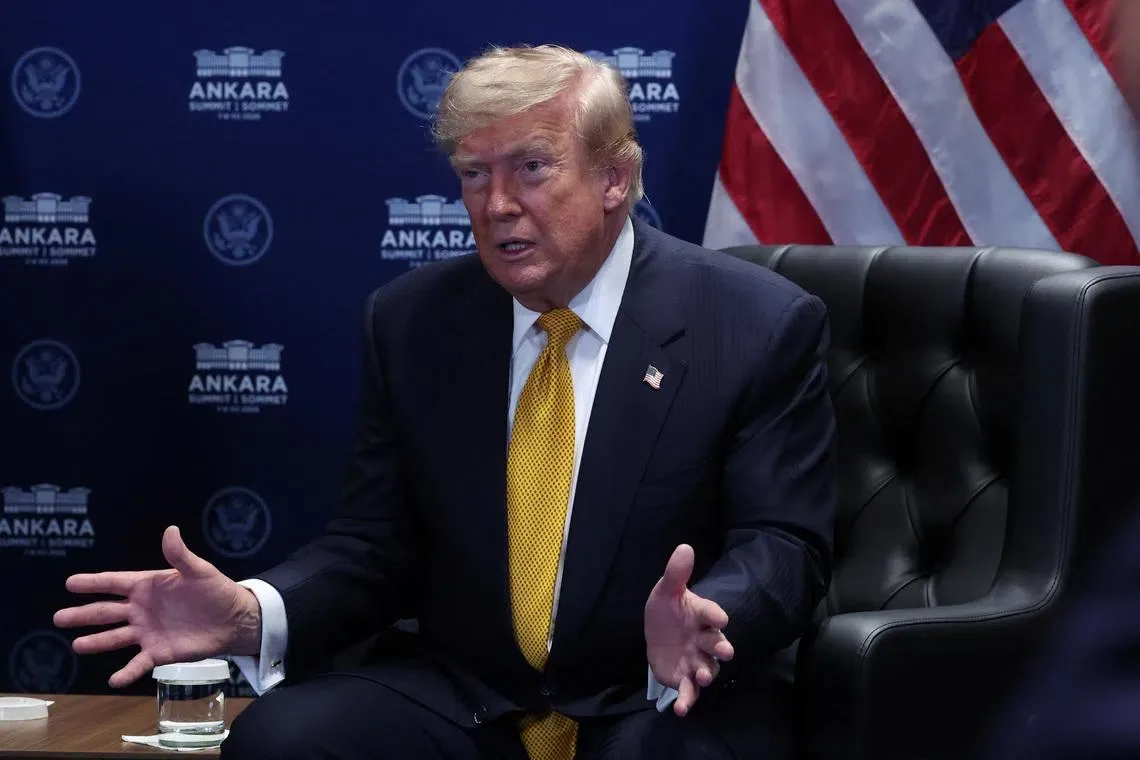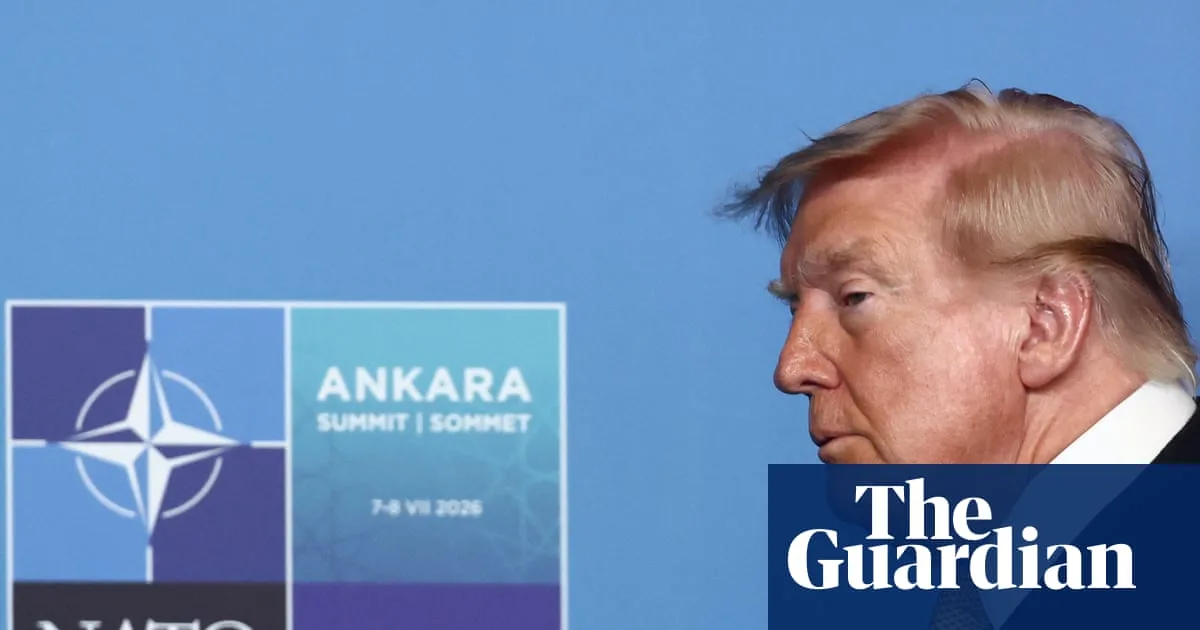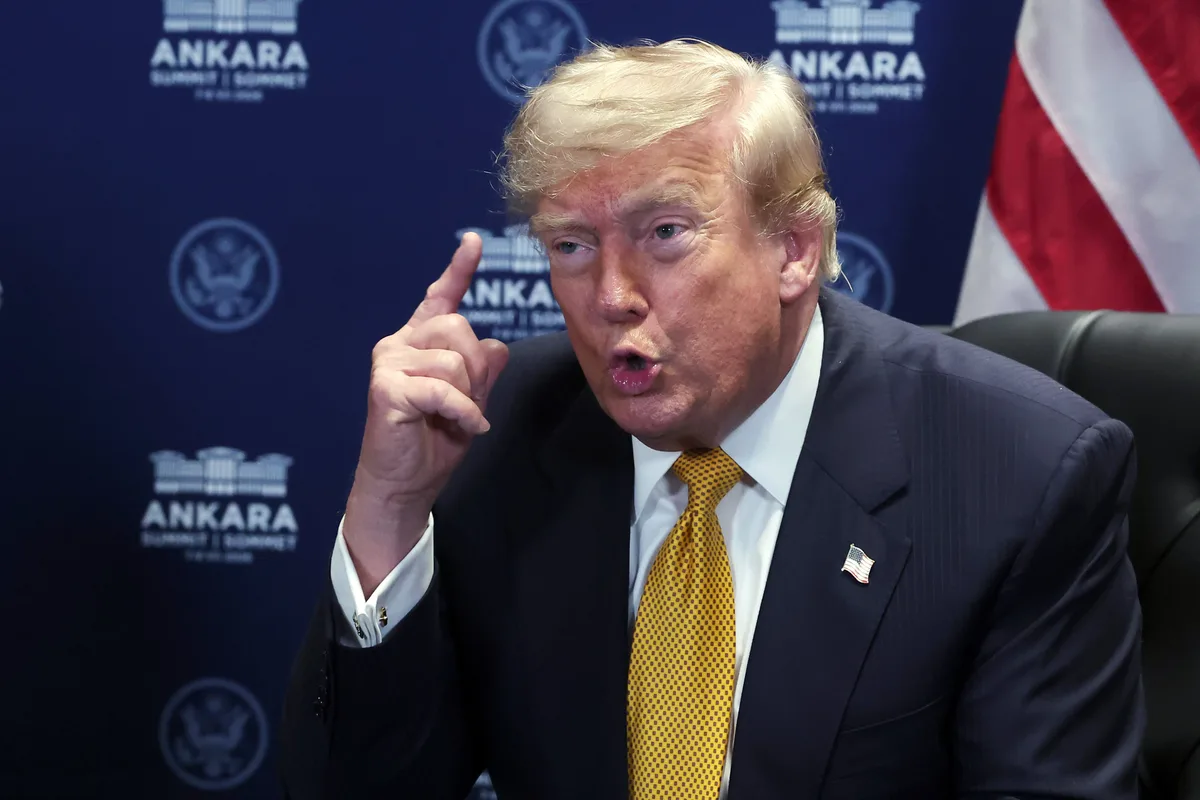
US President Donald Trump declared the interim memorandum of understanding (MoU) with Iran to end hostilities "over" on July 8, 2026, during a NATO summit in Ankara [1, 2, 3, 4, 5, 6]. Trump said, "To me, I think it's over. I don't want to deal with them. They're scum. They're sick people. They're led by sick people" [1].
The fragile ceasefire began in April 2026 after Pakistan mediated a 60-day interim agreement designed to pave the way for permanent talks [1, 5]. However, indirect negotiations held in Qatar ended last week without progress [1]. Trump said US negotiators remained willing to talk but doubted meaningful outcomes would arise [3, 4, 5].
Tensions escalated rapidly after three commercial vessels were hit by projectiles in the Strait of Hormuz on July 7, triggering US military strikes against over 80 Iranian targets around the strait on July 7 and 8 [1, 4, 5, 6]. Iran retaliated with attacks on US military sites in Bahrain and Kuwait on July 8 [5, 7, 8]. NATO Secretary General Mark Rutte supported the US response, saying, "When you have a ceasefire and Iran is basically violating the ceasefire, I think it is totally crucial that the US forcefully react" [5].
Alongside declaring the ceasefire void, Trump announced he ordered Treasury Secretary Scott Bessent to cut trade ties with Spain, accusing Madrid of being a "terrible partner" in NATO [2, 4, 9]. He also criticized some NATO members, including Spain and initially the UK, for not supporting US efforts on Iran [2, 4].
The US revoked a temporary license that had allowed Iran to sell crude oil and petrochemical products through August 21, setting a July 17 deadline for Iran to wind down transactions under the license [1, 4]. The announcement and renewed fighting pushed Brent crude oil prices up more than 5%, reaching about $78.50 per barrel on July 8 [10, 7, 8]. The US dollar stayed near a one-week high, influenced by market jitters over the geopolitical tensions and upcoming Federal Reserve meeting minutes [10, 7, 8].
Despite the sharp escalation, Trump said he did not anticipate a return to full-scale war, expecting any clashes to be brief and to end quickly. "I don't think it's going to start again. I think it's going to go very quickly. They hit a couple of ships, and so we hit them much harder," he said [11, 10].
During the NATO summit, Trump also made unrelated remarks about Greenland’s strategic importance to the US compared to Denmark, reflecting ongoing disputes within the alliance [4].
US-Iran tensions remain high as the July 17 deadline approaches for Iran to cease oil sales under the revoked license and as both sides sustain military pressure following the end of the ceasefire agreement.