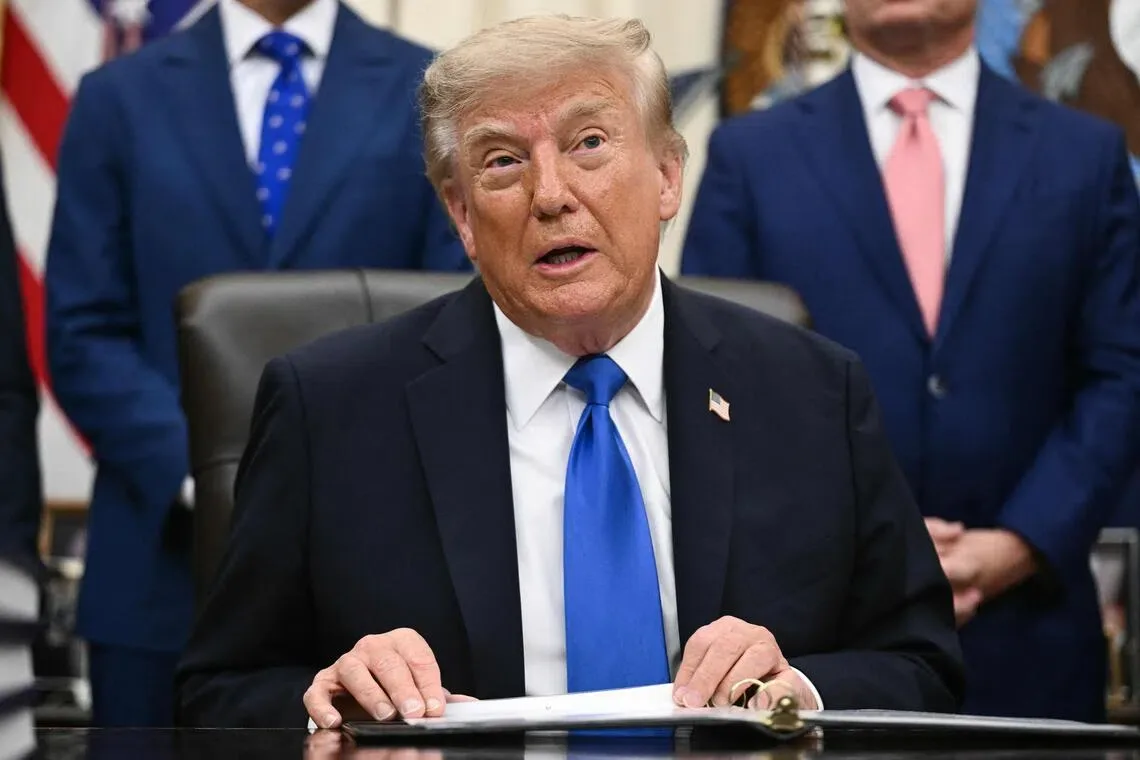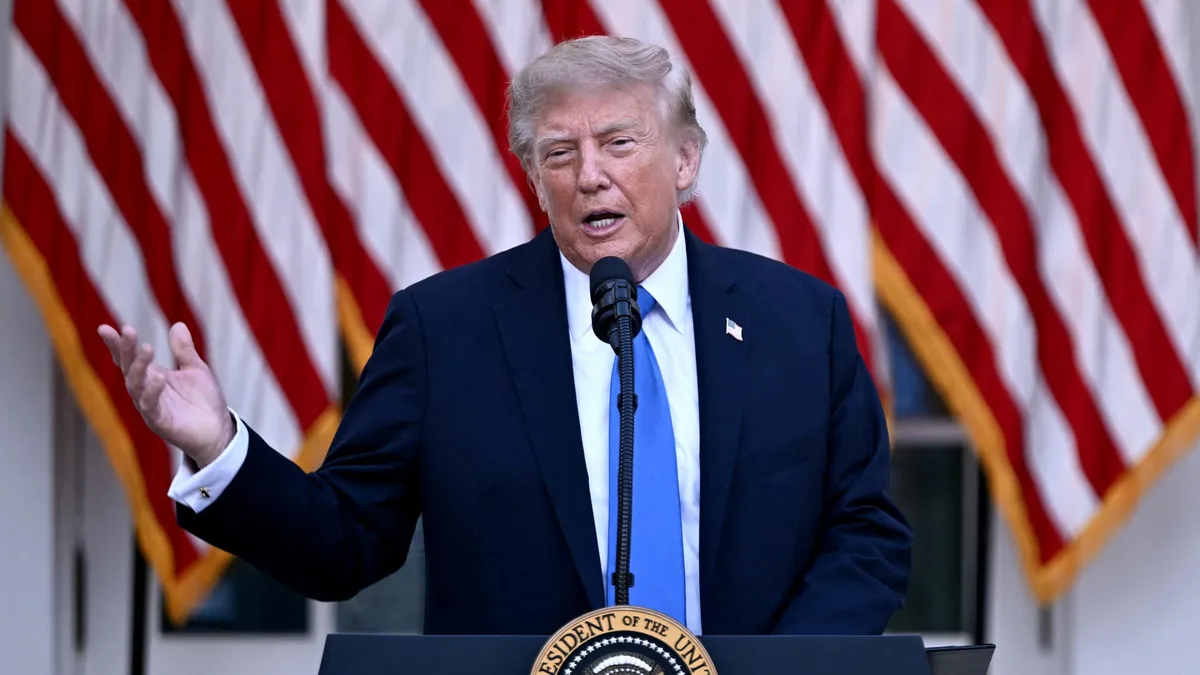
Former President Donald Trump called on the Federal Reserve to reduce interest rates, threatening to stop trading with countries that run trade surpluses against the US if rates are not lowered. He made the demand on September 4, 2026, in a post on his Truth Social platform urging Fed Chair Kevin Warsh and the central bank to "get smart" and be "patriots" by cutting rates [1, 2, 3, 4, 5, 6, 7, 8].
Trump argued that US interest rates at around 4% put the country at an "unfair disadvantage" internationally and said the US should have the lowest interest rates in the world. "Lower the interest rates because the U.S.A. is a much stronger credit than it was just a short time ago! A STRONG COUNTRY MEANS A LOWER INTEREST RATE," he wrote [2, 9, 4, 5, 6, 7, 10, 11, 12, 8]. He suggested rates should be around 1% or even 0.5%, far below current levels [2, 11, 12, 8].
Trump cited the stronger-than-expected August 2026 US jobs report — which showed 162,000 new jobs added, well above the forecasted 53,000, and an unchanged unemployment rate of 4.1% — as justification for pushing the Fed to lower rates despite strong labor market data [1, 2, 3, 4, 5, 6, 7, 10, 11, 12, 8].
He named Switzerland, Mexico, and the European Union among countries with trade surpluses against the US and said the country has the right to stop trading or impose tariffs on them. Trump referenced a US Supreme Court ruling affirming the president’s authority on tariffs and trade measures as backing for his threat [1, 2, 3, 9, 4, 5, 6, 7, 11, 8].
The US trade deficit hit its highest level since early 2025 in July 2026, driven by imports of computers and tech equipment, including a record $20.7 billion deficit with Taiwan [4, 5, 6, 7]. Analysts note that halting trade with deficit countries could lead to legal challenges and question how it would lower US borrowing costs or interest rates [2, 3, 11].
Kevin Warsh recently took over as Fed chair, succeeding Jerome Powell. Trump initially eased pressure on the Fed but resumed demands for rate cuts following Warsh’s appointment [2, 3, 11]. Market expectations after the August jobs report point to about a 62% chance of a Fed rate hike at the September 15-16 policy meeting [2, 11, 12].
The Federal Reserve is scheduled to meet on September 15-16, 2026, where policymakers are expected to weigh interest rate changes amid these competing economic signals and political pressures [2, 11, 12].