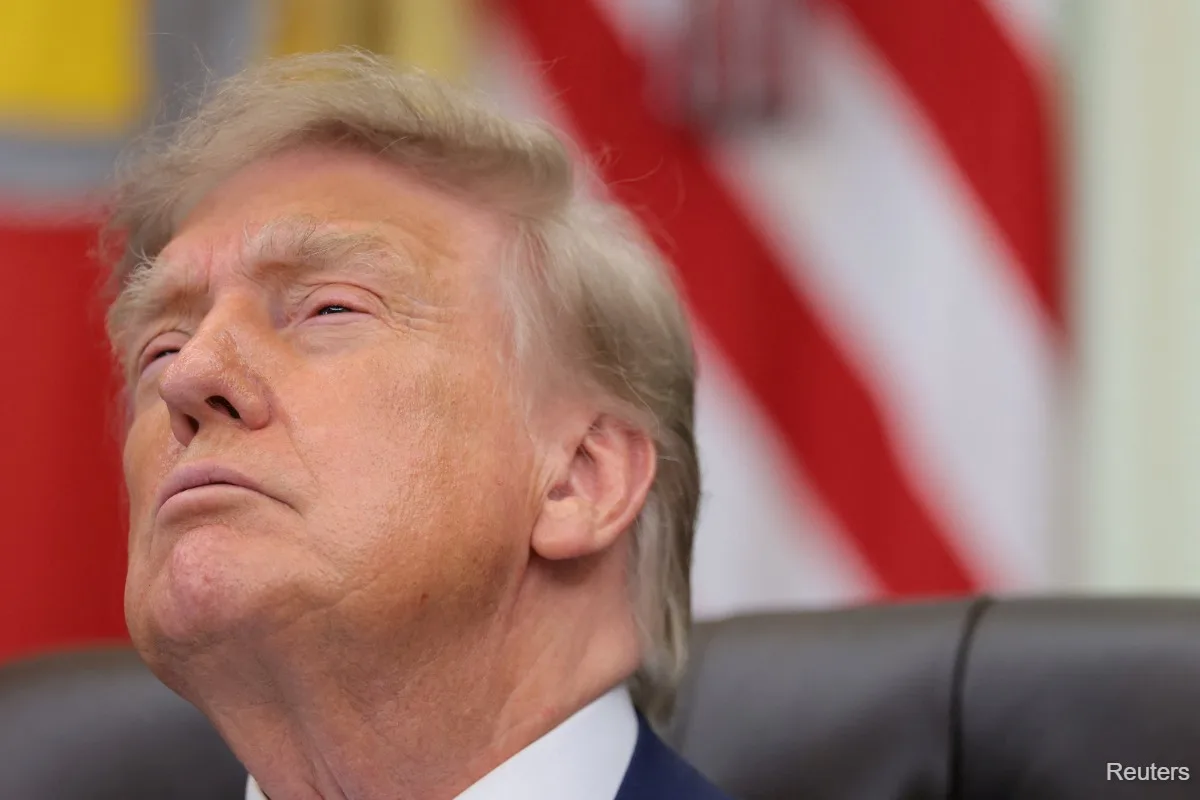
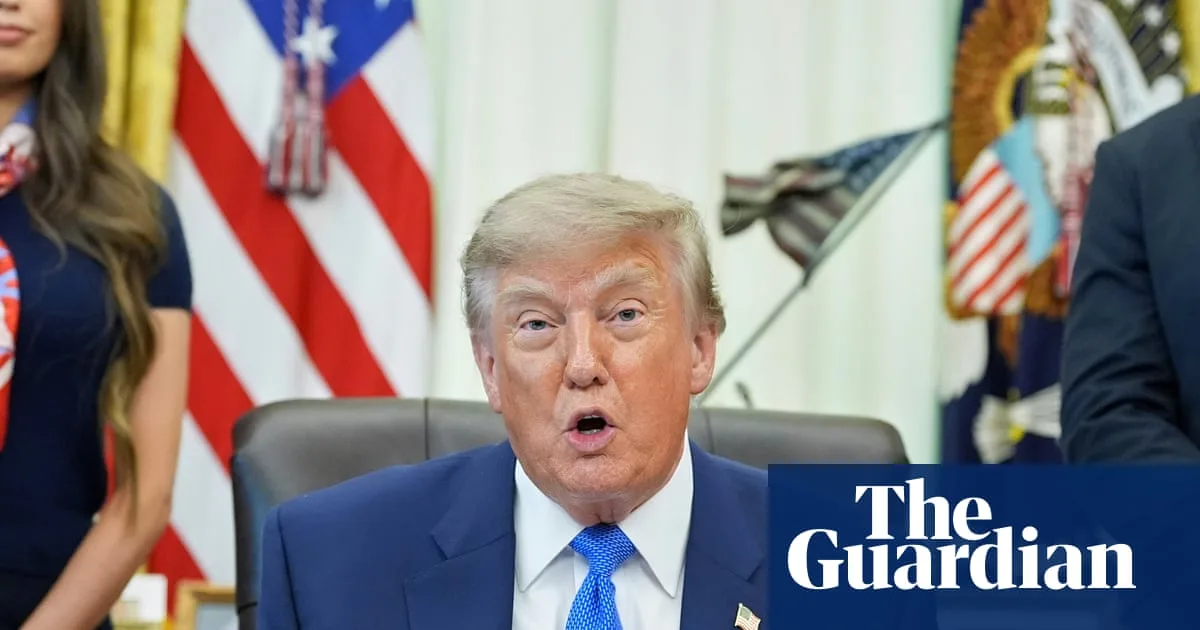
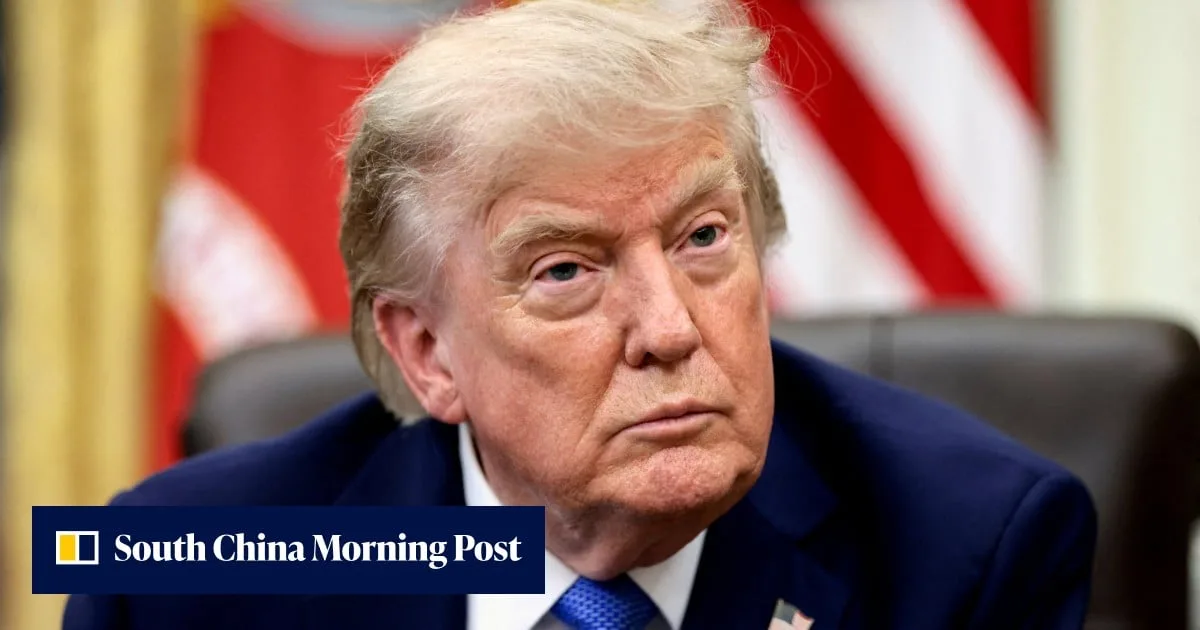
US President Donald Trump demanded Iran pay compensation for people killed or wounded by Iran's roadside bombs, conflicts, and protests over the past 50 years. He said families of the 17 US sailors killed in the 2000 USS Cole bombing, attributed to al Qaeda, should also receive reparations. Trump stated he has instructed US negotiators to make compensation claims part of all future negotiations with Iran [1, 2, 3, 4, 5, 6, 7, 8, 9, 10].
Trump also expanded his compensation demands to include damages caused by Iran in Lebanon, Syria, Yemen, and Gaza [4, 6, 9, 10]. He claimed, "We're going to ask for money for the damage they've done over a 50-year period. So if there's damages to be paid, I think Iran should pay those damages" [4].
The demands come amid stalled talks over reopening the Strait of Hormuz, which has been effectively blocked since the war began in February 2026. The strait previously carried about 20% of global oil trade, causing major disruptions [3, 4, 10]. Trump claimed US Navy now holds full control of the Strait and that it is open, saying, "It's open now. The U.S. is the only one that has control of the Strait of Hormuz right now" [8].
Iranian officials maintain the strait will remain closed until the US lifts its naval blockade, ends sanctions and military threats, pays reparations, and returns frozen assets. Iranian Supreme National Security Council Secretary Mohammad Baqer Zolghadr said, "The strait won't reopen until Washington lifts its naval blockade and sanctions, withdraws American forces, pays reparations and returns frozen Iranian assets" [4, 5, 7, 8].
Talks between Iran and Oman continue over defining new shipping lanes through the strait, but no agreement has been reached. Iran announced progress toward a deal contingent on compensation and sanctions relief from the US ahead of Trump's announcement [1, 4, 10].
Trump accused Iran of killing about 52,000 protesters in recent months, a figure disputed by some rights groups and Iranian sources reporting lower estimates between 3,000 and 7,000 [4, 10]. Meanwhile, Iranian President Masoud Pezeshkian confirmed Supreme Leader Mojtaba Khamenei is in good health after a recent meeting and emphasized internal unity amidst the conflict [11].
Elsewhere in the region, Israeli Prime Minister Benjamin Netanyahu rejected a US-backed 15-point plan to end the Gaza war, saying, "Unlike all those who lecture us, we do what needs to be done for Israel’s security, and we can and know how to stand our ground" [3].
The next key milestone will be the continuation of Iran-Oman negotiations to define new shipping lanes through the Strait of Hormuz, with any reopening still dependent on US-Iran agreements on compensation, sanctions, and security.