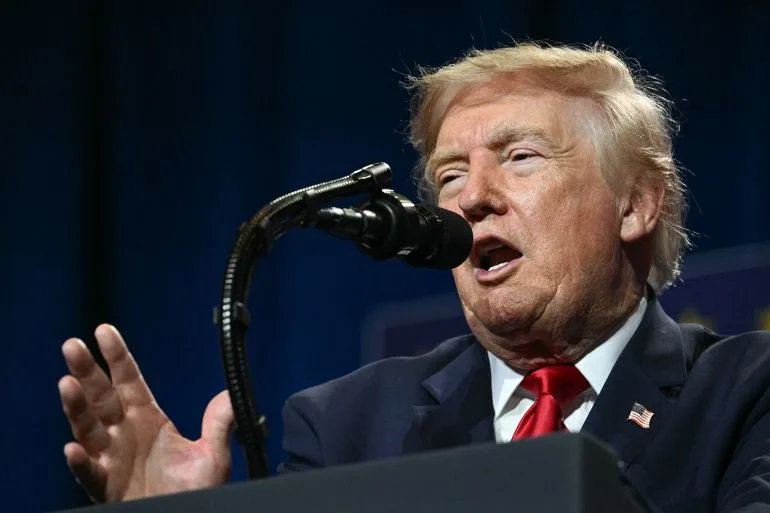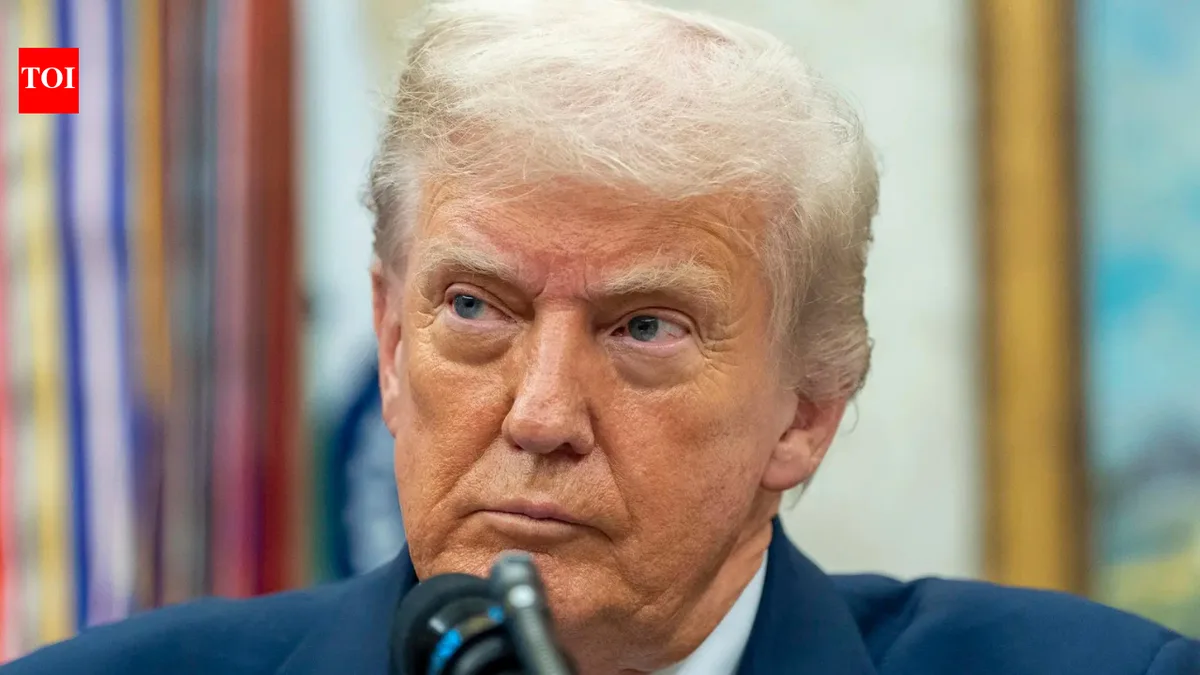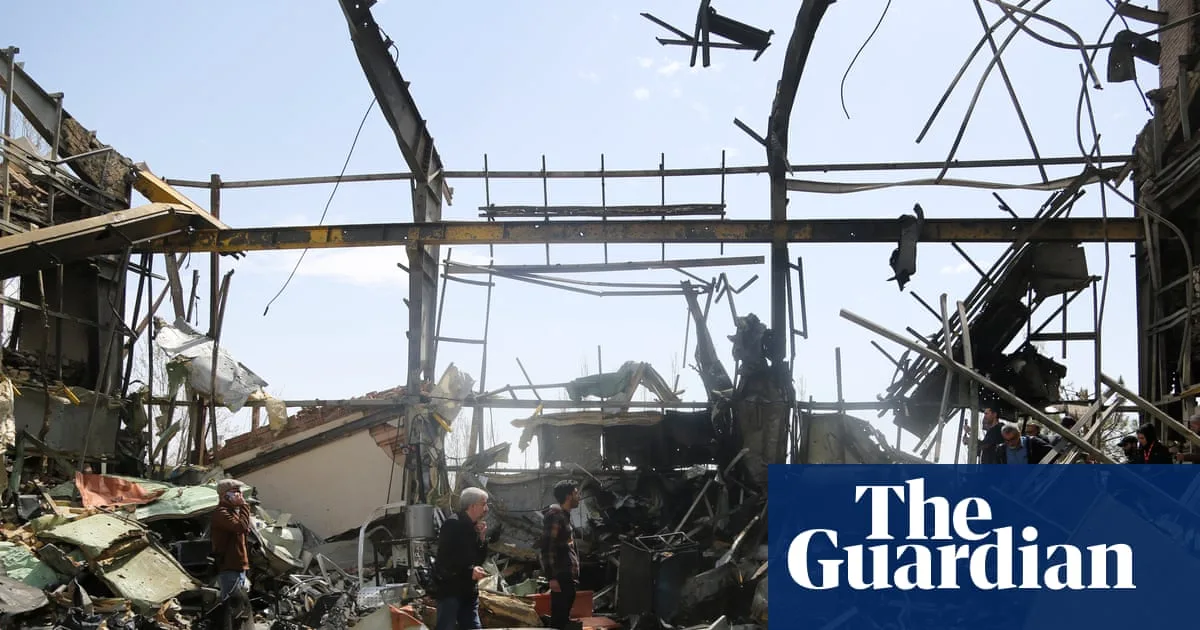
President Donald Trump publicly refuted reports that the US is running low on key munitions in the ongoing Iran conflict, stating the country has "massive amounts" of ammunition and that defense companies are building more plants than ever to replenish supplies [1, 2, 3]. Speaking on August 6, Trump said, "The US has massive amounts of ‘munitions,’ especially of certain types. Additionally, large amounts are being manufactured and shipped to the US as needed. Defense companies are building the largest number of plants and factories in our country’s history" [1].
Trump acknowledged some ammunition types are "relatively tight" but said overall supplies are sufficient and replenished daily. "We in some types of very powerful ammunition have almost an unlimited supply; in others the supply may be relatively tight but we replenish every day," he added [4]. However, multiple reports indicate that since the Iran war began in late February, the US has depleted nearly 80% of its Terminal High Altitude Area Defense (THAAD) interceptors and about half of its Patriot interceptor missiles [1, 4, 5, 6]. The Tomahawk cruise missile stockpile has also been reduced by about 50% [4, 3]. Media outlets including CNN reported US long-range guided missile inventories nearing exhaustion, limiting military options [1, 7].
Trump sharply criticized leak reports about munitions shortages, calling them "treasonous statements," and threatened legal action. "The ‘leakers’ of these treasonous statements are being hunted down. Long term jail sentences will be sought!" he declared [1, 2, 5]. White House and Pentagon officials denied recent media accounts suggesting a confrontation on July 31 between Trump and Defense Secretary Pete Hegseth at Camp David over munitions shortages, calling the reports fictitious [1, 3, 8]. White House Press Secretary Karoline Leavitt said, "This literally never happened. The President loves the Secretary and thinks he’s doing a tremendous job" [1]. Pentagon spokesman Sean Parnell stated, "Secretary Hegseth did not mislead anyone about our munitions posture, and he did not blame Deputy Secretary Feinberg. These claims . . . are equally fictional" [3].
Despite the denials, sources report that Hegseth was frustrated during the Camp David meeting and blamed Deputy Defense Secretary Stephen Feinberg for shortages and communication issues [1, 2, 3]. Trump has publicly praised Hegseth, calling him "highly respected" and saying, "I am extremely happy with the job that Pete Hegseth is doing" [1, 8]. Hegseth said he has made "tremendous improvements" in the Defense Department, including increasing recruitment to historic levels [8].
Some US military officials have privately warned that dangerously low munitions stockpiles could constrain military options and advised delaying war escalation [2, 3, 9]. The Pentagon maintains that the US military retains capability for worldwide operations despite reduced inventories [3].
Additional media reports on August 6 highlighted that long-range missile stocks such as ATACMS and PrSM have been nearly depleted during the Iran conflict [5, 3, 9]. The administration’s next official statement on munitions readiness and military posture is expected following close monitoring of supply levels amid ongoing operations.