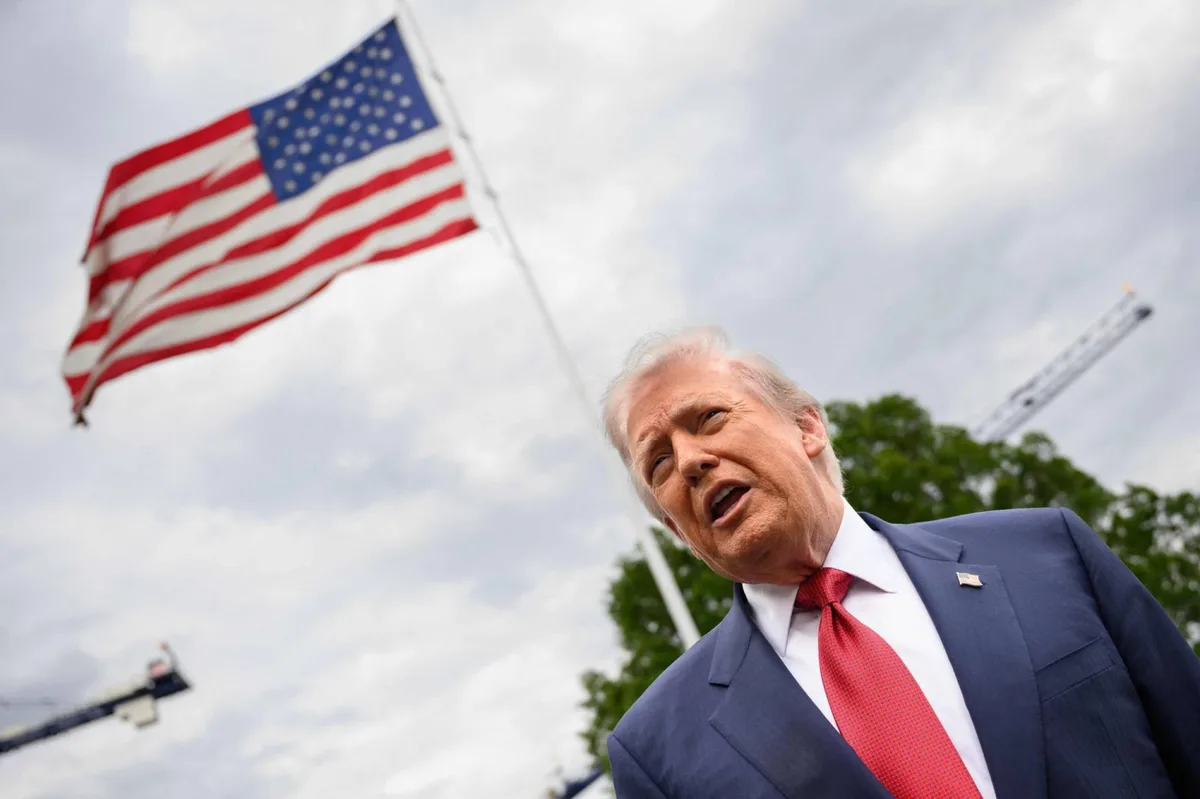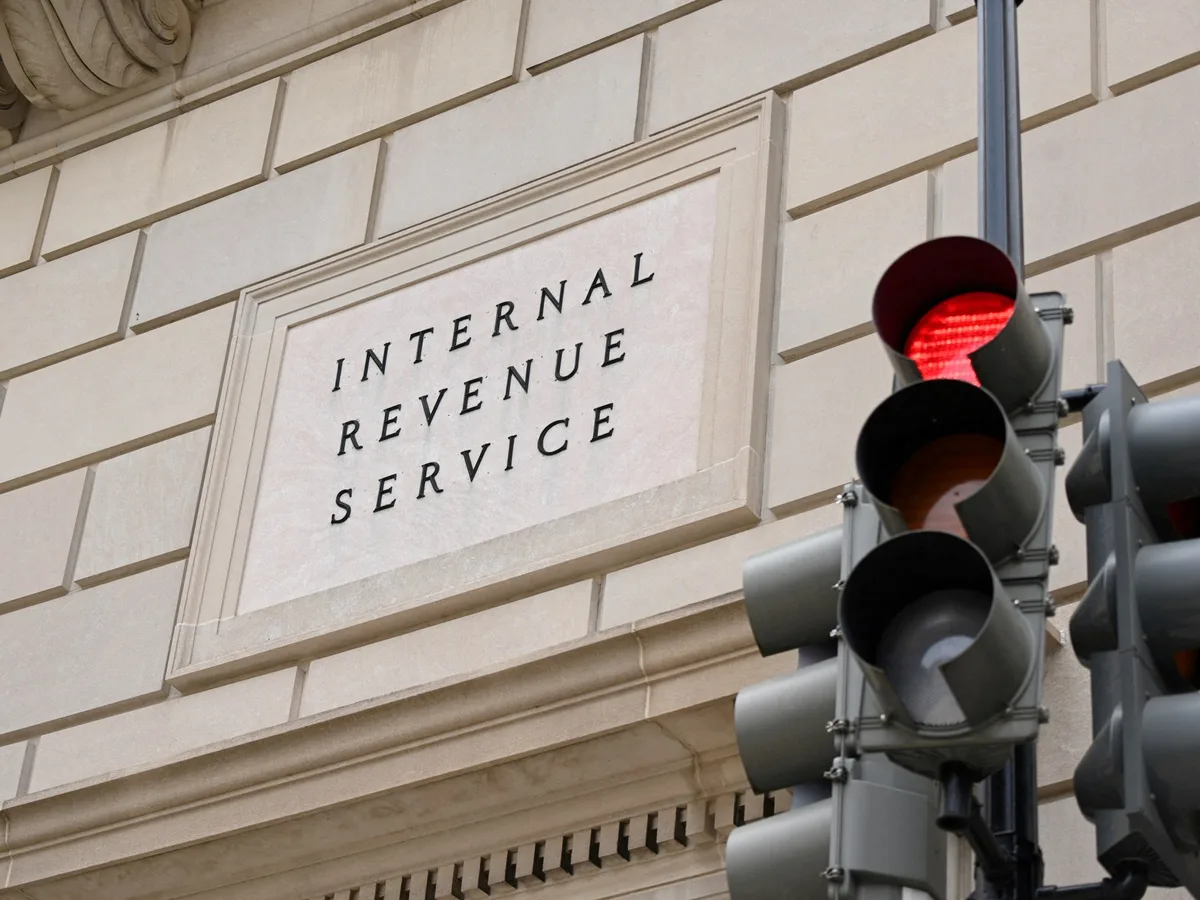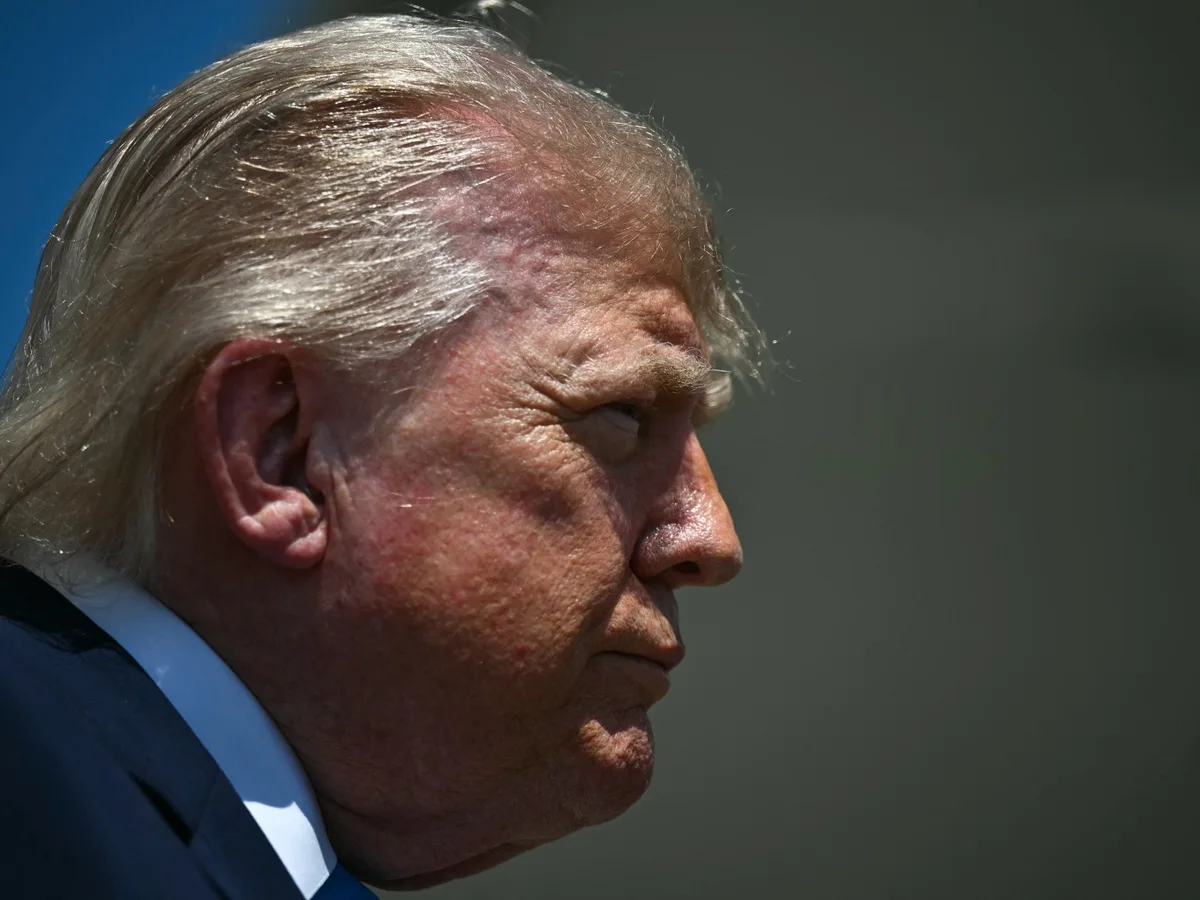
President Donald Trump voluntarily dropped his $10 billion lawsuit against the IRS over leaked tax returns on May 18, leading to the creation of a $1.776 billion Anti-Weaponisation Fund as part of the settlement [1, 2, 3]. The fund aims to compensate individuals who claim to have been unfairly targeted or politically persecuted by the federal government, including some Trump supporters and potentially people convicted in connection to the January 6 Capitol attack [1, 2, 4, 5, 3]. Acting Attorney General Todd Blanche will appoint a five-member commission to administer the fund [4, 5, 6].
The money comes from a longstanding government judgment fund that does not require congressional approval, bypassing standard legislative processes [4, 6]. The Justice Department also issued a directive granting Trump, his family, and businesses immunity from current and future tax audits related to the leaked returns as part of the settlement [7, 8, 3].
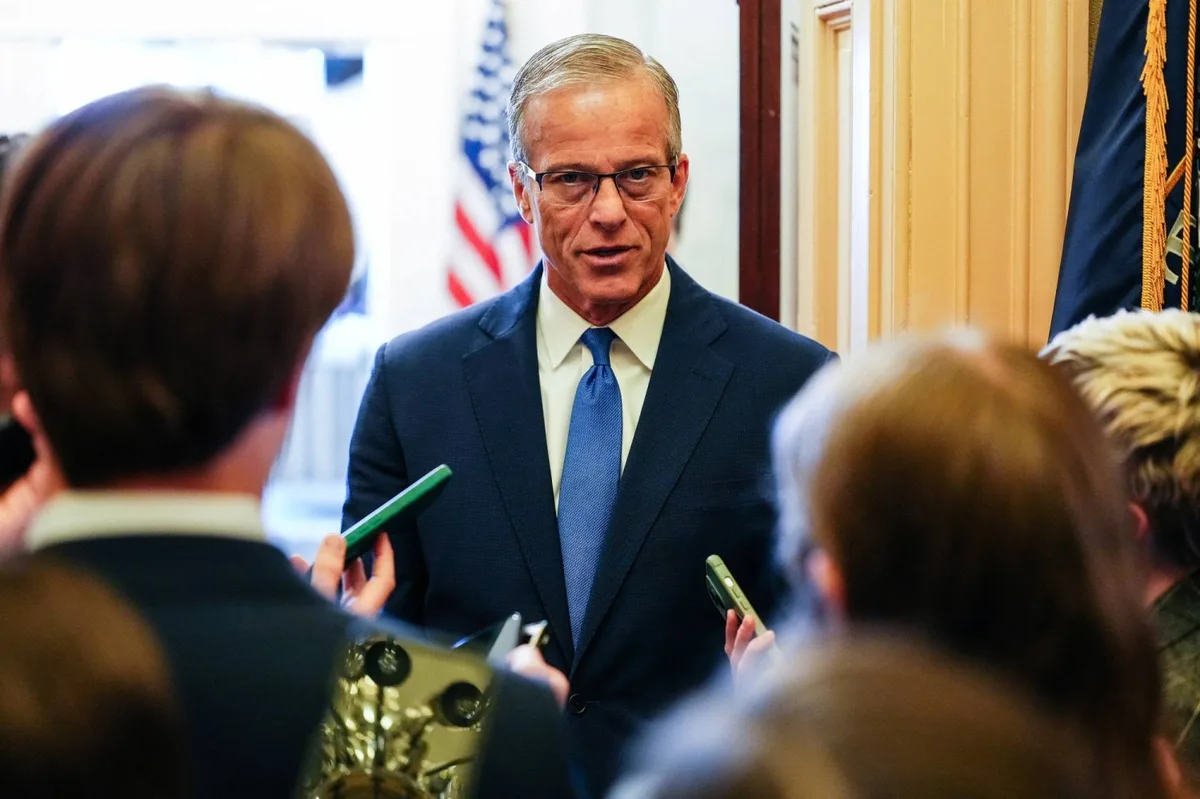
The immunity provision has drawn sharp criticism from Democrats and ethics experts. They call it unconstitutional and a conflict of interest since it shields Trump from further IRS scrutiny [7, 8, 3]. Senator Thom Tillis called the fund "absurd," saying it could compensate convicted rioters, while Senator Don Bacon said Trump "smells" like both plaintiff and boss of his defendants [1, 9]. Senate Majority Leader John Thune said members have "very legitimate questions" about the fund [5]. Senator Ron Johnson described the handling as a "galactic blunder" [10].
Several Republican senators have blocked or delayed votes on related spending bills, including a $72 billion immigration enforcement funding bill, to protest the fund and other items like the Trump administration's blocked $1 billion White House ballroom construction request [1, 9, 11, 10]. Acting AG Blanche met with GOP senators on May 21 amid the pushback, saying, "The machinery of government should never be weaponized against any American" and promised to "make right the wrongs that were previously done" [4, 5].
Democrats have introduced legislation led by Rep. Jamie Raskin to block federal funds from being used for the Anti-Weaponisation Fund and filed lawsuits challenging its legality [12, 5, 8]. Trump defended the fund on social media, calling it justice for those "abused by an evil, corrupt, and weaponised Biden Administration" [1]. Critics describe it as a "slush fund" rewarding political allies and former aides [8, 4, 5, 6, 12].
The controversy has deepened divisions within the Republican Party ahead of the November 2026 midterm elections [1, 9, 11, 5]. Senate Republicans' delay of key spending bills related to the fund and other Trump priorities marks a rare intra-party rift [1, 9, 11].
The commission to oversee the Anti-Weaponisation Fund is expected to be appointed soon, while legislative efforts to block the fund and related lawsuits are ongoing.